Compound leaves
Leaves have many toothed leaflets arranged along a central stalk, usually including a terminal leaflet. Compare this arrangement with black walnut and other walnuts; one feature alone is not enough.
Butternut · Juglans cinerea
Notice one living neighbor. Let appreciation lead to one informed act of care.
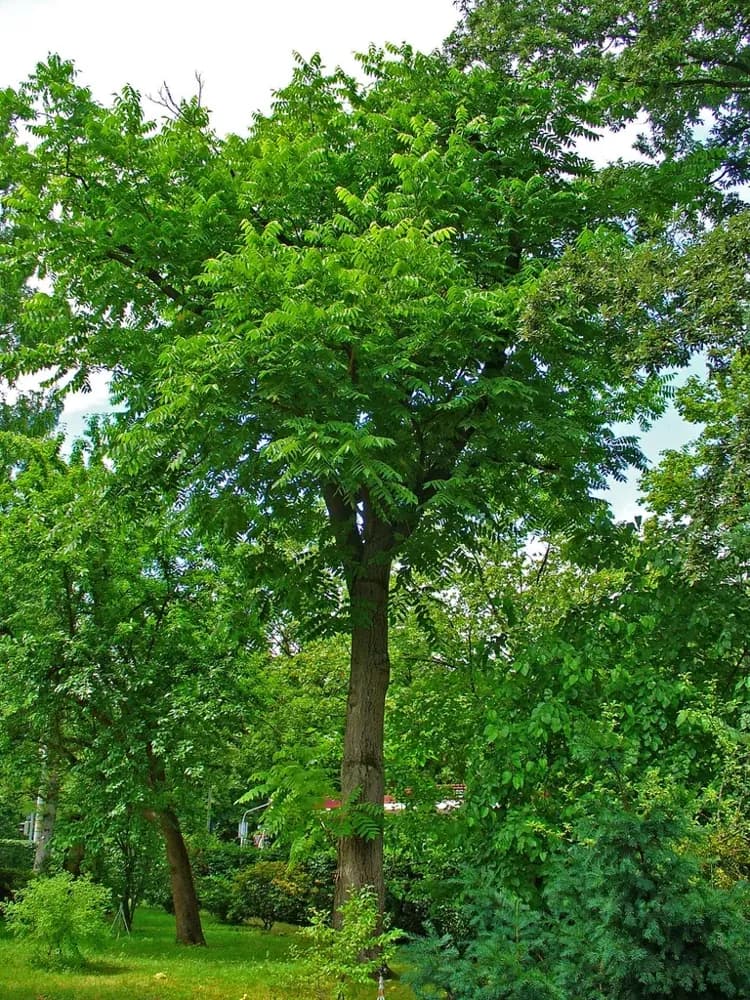
01 · Meet the tree
Butternut brings stewardship into a quiet encounter. Look at one tree before thinking about a whole forest: its crown, its place, and the lives nearby. Care can begin with learning what is present and choosing an action suited to that place, rather than trying to solve everything at once.
Leaves have many toothed leaflets arranged along a central stalk, usually including a terminal leaflet. Compare this arrangement with black walnut and other walnuts; one feature alone is not enough.
Elongated nuts develop inside green husks. Older gray bark has relatively flat ridges and shallow furrows. Observe fallen nuts without collecting them, and leave living bark attached.
Native to eastern Canada and the central and eastern United States, butternut has suffered severe losses from butternut canker. Identification, disease assessment, and conservation decisions call for qualified local guidance.
Compare several features, and notice how age and season change their appearance. These photographs are starting points for observation; leave living leaves, needles, cones, and bark attached.
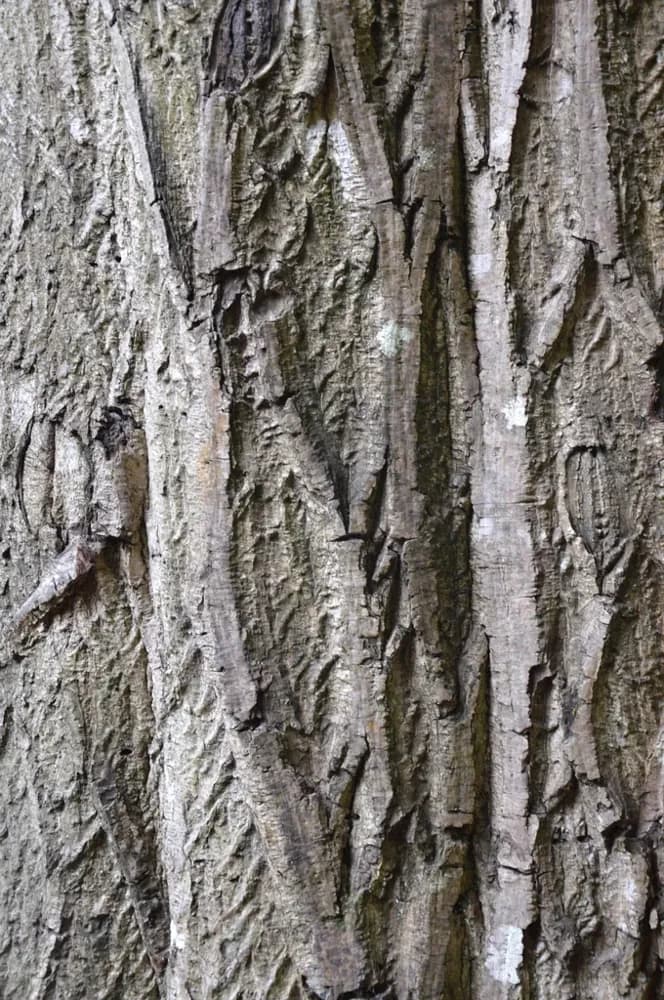
Spring to early summer brings catkins and small female flowers. Summer displays compound leaves; nuts mature in autumn. The open crown and bark are visible in winter. Repeat observations can record changes, but a photograph alone cannot establish a tree's health.
Botanical reference: NC State Extension’s butternut profile. This is a starting point for observation, not a complete identification key.
02 · Energy & character
Three qualities to contemplate beside the tree. Begin with what you can observe, then see what meaning emerges for you.
These tree-specific associations are new contemplative interpretations for the digital school. “Energy” here describes felt experience and symbolism; it is not a measured healing field or a promise of a particular effect.
One individual tree occupies a particular place among other living things.
Let care begin with noticing someone or something specifically. A concrete encounter can make a broad intention manageable.
What nearby life could you learn about?
A visit can leave the tree, roots, and surrounding growth undisturbed.
Choose care that respects the place and the knowledge of those responsible for it. Good intentions benefit from information.
What should you learn before acting?
Leaves, nuts, ground, and neighboring plants belong to one shared scene.
Consider how a small action affects more than its immediate subject. You are part of the surroundings you observe.
Who else belongs in your picture of care?
03 · Practice with this tree · About 5 minutes
An original five-minute stewardship practice. Begin with an accessible view; no collecting, pruning, or diagnosing is part of the practice.
Open outdoor practice →Choose stable, permitted ground clear of damaged branches. Sit or stand with your usual supports. Notice one tree and the plants around it without trampling roots or undergrowth.
Choose a visible detail and describe it plainly to yourself. If useful, make a brief note or take a photograph from the path. Separate what you see from a guess about disease or age.
Consider what you would need to learn before helping: the species, who cares for the site, or which local conservation program offers guidance. Leave that question open if the answer is not yet available.
Pick one modest next step, such as consulting a regional tree guide or learning about a local butternut conservation effort. Do not move nuts, wood, or bark between sites. Widen your attention and finish.
Spend about five minutes, or less if that suits you. Keep your device available when needed. No touching, collecting, controlled breathing, or tree-supported movement is required; leave the tree and its surroundings undisturbed.
04 · Roots in the book
The book teaches attention and learning from trees. This page adds a species-specific encounter; it does not claim that the original book assigned these three energies to butternut.
Chapter 3 introduces three pathways and choosing an appropriate setting.
Read the chapter companionOriginal: printed pp. 13–17Chapter 4 encourages a sustainable beginning with five or ten minutes.
Read the chapter companionOriginal: printed p. 28Connection, compassion, and presence connect this new practice with Chapter 6’s invitations to learn from trees.
Explore Wisdom and WonderOriginal: Chapter 6, printed pp. 96–12405 · Notice for yourself
Reflect quietly or write a sentence in your own notebook. On another visit, look at the same detail again. Your experience may fit these themes, suggest something different, or simply be a few minutes of looking.