Paper birch
Betula papyrifera
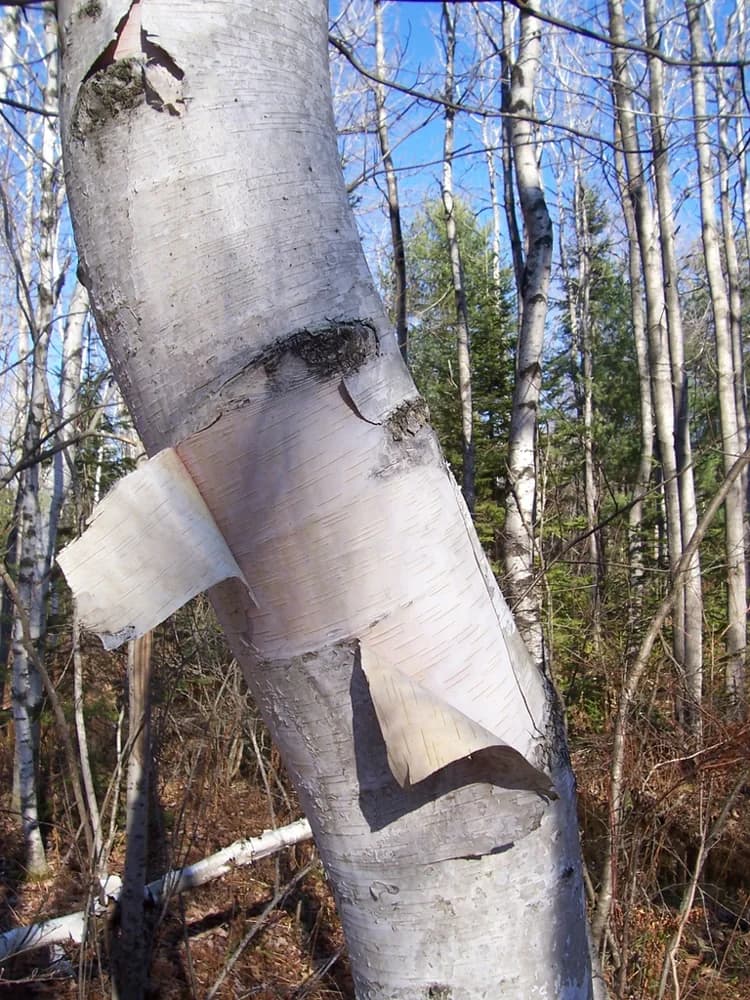
Mature trunks typically have white bark peeling in papery sheets, with dark horizontal markings.
Compare similar trees
Start with naturally exposed bark, then compare leaves and seed-bearing structures. A young birch may not yet show its familiar bark.
Observe from a permitted path. Use attached or naturally fallen material without picking or peeling. Photographs show individual examples, not every variation or a common scale.
Bark is the clearest starting clue in this pair, but age changes its appearance. Leave every layer attached.
Betula papyrifera
Mature trunks typically have white bark peeling in papery sheets, with dark horizontal markings.
Betula alleghaniensis
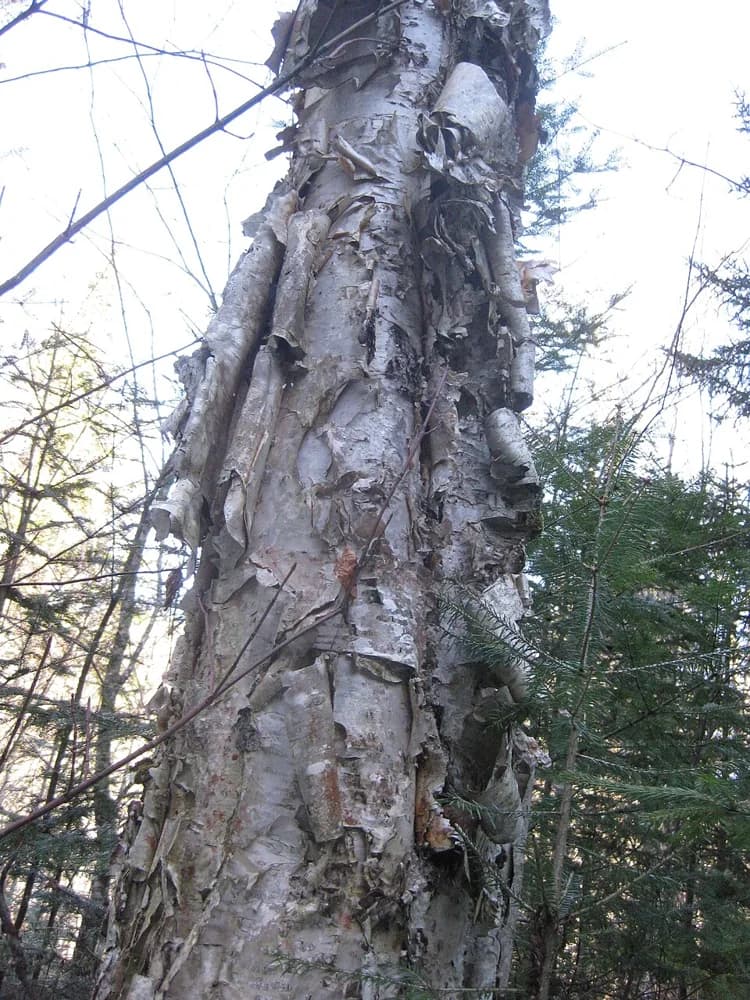
Younger trunks often show shiny bronze or yellow-silver bark curling in thin strips; old bark becomes darker and scaly.
Leaf shape overlaps. Compare several mature leaves, then return to bark and seed structures.
Betula papyrifera
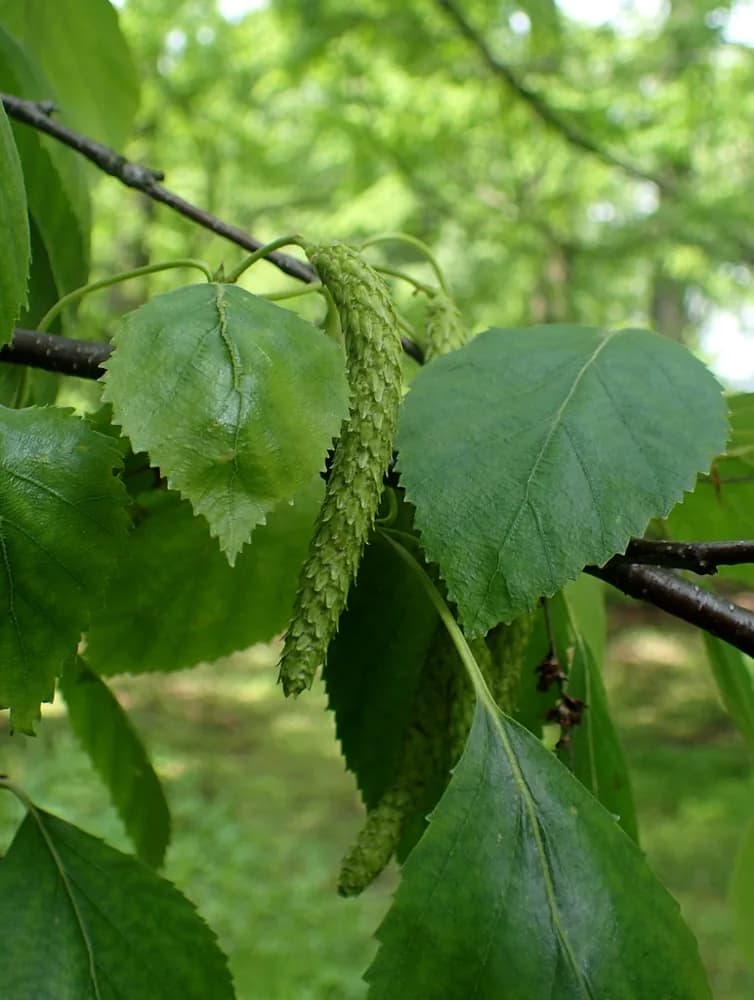
Alternate, pointed leaves have toothed edges and are often broadly ovate.
Betula alleghaniensis
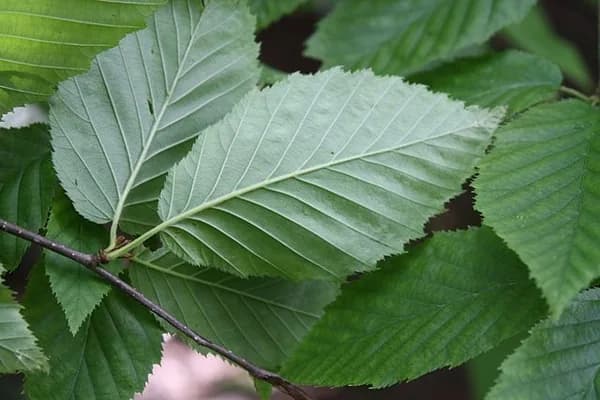
Alternate leaves also have pointed tips and doubly toothed edges, often with a more elongated outline.
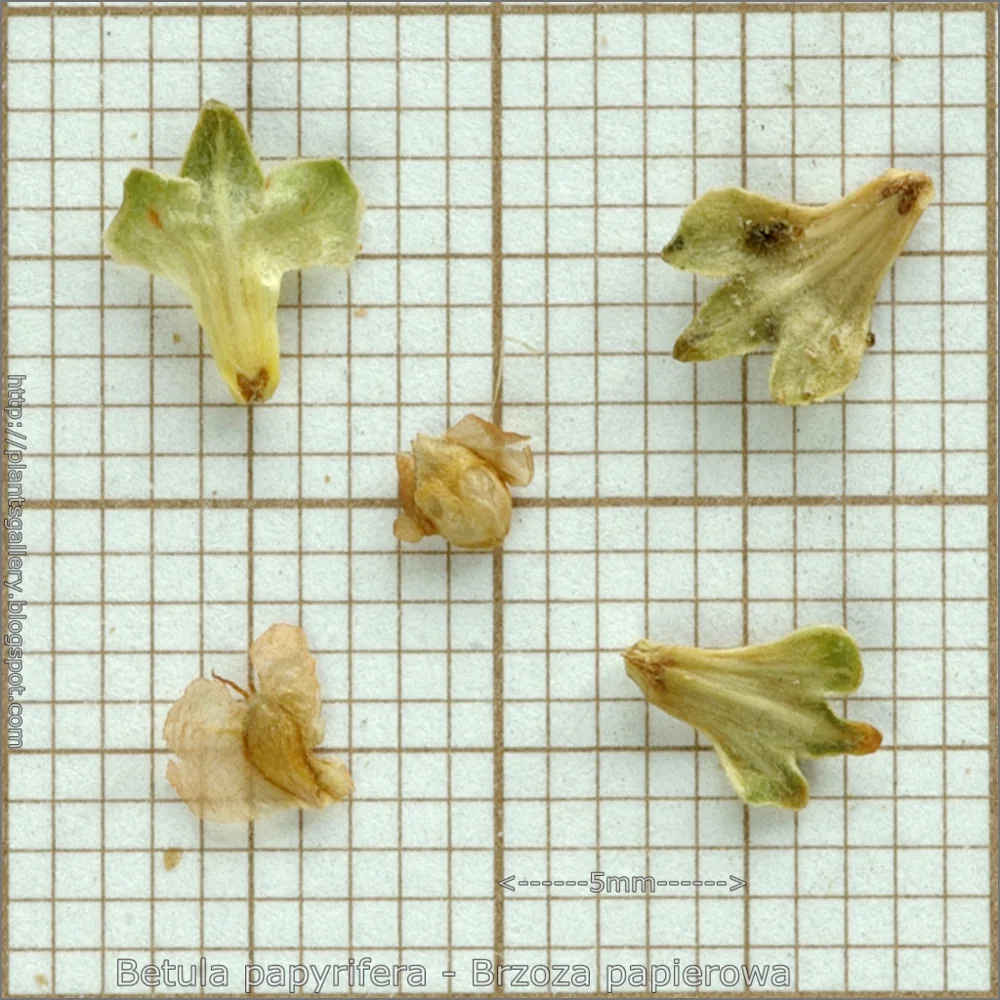
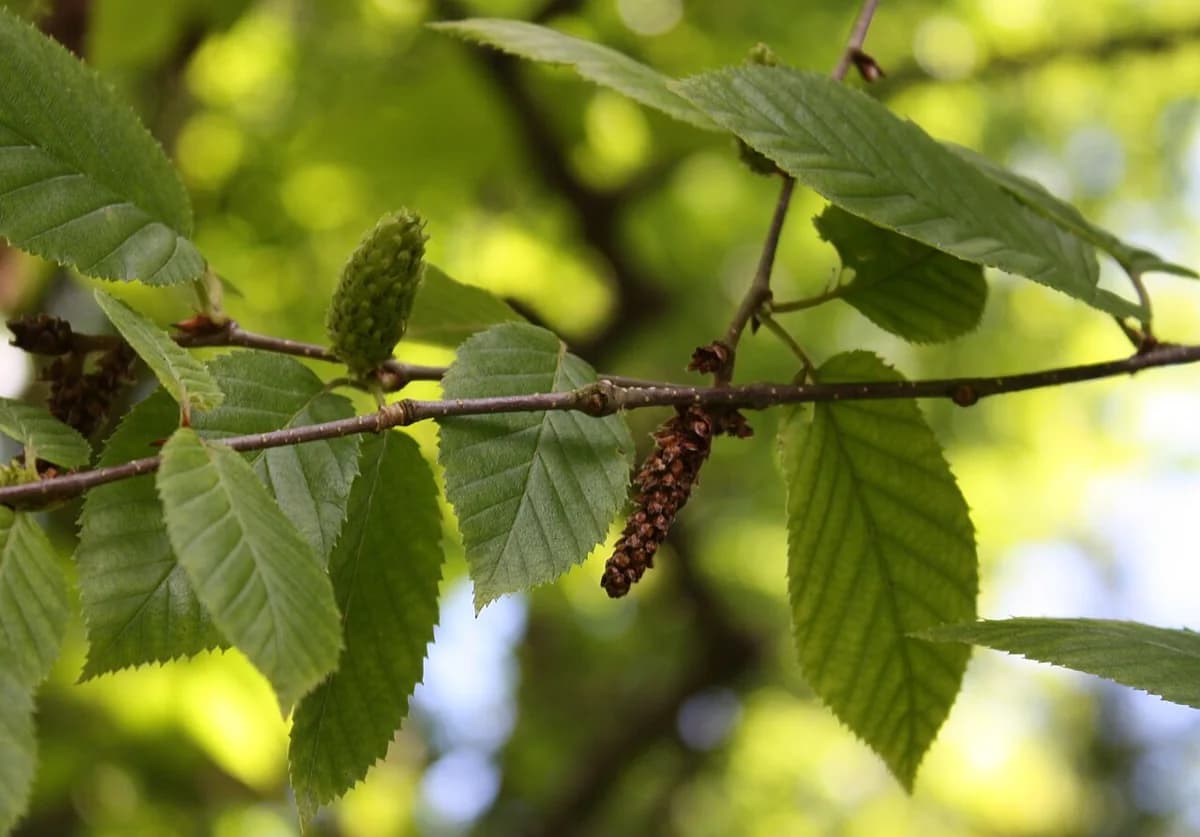
These are seed-bearing structures, not the slender male flower catkins. Their seasonal stage matters; combine them with bark.
Betula papyrifera
The cylindrical seed-bearing catkins commonly hang downward as they mature.
Betula alleghaniensis
Compact seed-bearing catkins are upright on short shoots.
These clues compare this pair; other species, hybrids, age, and growing conditions can complicate identification. If the features disagree, keep observing and consult a local field guide or knowledgeable person.
Botanical references checked October 10, 2026. NC State Extension: Paper birch · Yellow birch.
Additional botanical references: UNH Extension: Yellow birch seed catkins.