Nicholas County
Tuliptree, Yellow-poplar
Lirodendron tulipifera
- Published height
- 170 ft
- Published points
- 401
Date in record: 2021
Explore this record →Out in the world · West Virginia
Remarkable trees, a place to begin. Explore the register, get to know the species, and bring a little attention outdoors.
The register behind the map
2025 workbooks · highest published scores · retrieved October 7, 2026
159 records are included in this imported selection. 159 have approximate map points; 0 remain searchable without a marker. Multiple trees can share one town or county point.
Register editions, retrieval dates, and individual measurement dates describe different things. This snapshot does not confirm current tree condition. Approximate map points do not locate individual trees or establish permission to visit.
The WV Division of Forestry’s 2025 Flowering Common and Conifers Common workbooks, retrieved October 7, 2026, contain 533 registered trees. They include runners-up and do not provide a general champion-status field. We retain only the maximum published Big Tree Points in each named tree category. This gives 159 records across 157 categories, including exact-score ties for common serviceberry and pawpaw. These are score-based leaders, not independently certified state-champion designations; no wider co-champion threshold is inferred.
Selection uses common-name categories so botanical spelling errors and annotations do not create extra winners. “Chineese Chestnut” and “Chinese Chestnut” are treated as one category, then excluded because the leading entry pairs Chinese Chestnut with Castanea dentata, the American chestnut name. No runner-up is promoted. Lower-scoring entries are excluded even when they carry an undated national or co-champion annotation. National annotations on retained leaders remain source notes, without asserting a current national title.
Names, measurements, published scores, and last-inspection years are retained with whitespace normalized. Annotations are separated from scientific names into source notes. Nonstandard circumference heights and multi-stem notation remain visible. Scores are not recalculated for selection. The workbook’s “Last Inspection” year is displayed as an inspection date, not as the edition or retrieval date.
All 159 records map to 35 approximate county points from the Census Bureau’s 2025 Gazetteer. Source spellings “Pendelton” and “Pochontas” are matched to Pendleton and Pocahontas, with the original wording recorded. Town names remain visible; the state explains that “near” may mean many miles away. Exact tree positions and visiting permission are not inferred. The separate public-property workbook includes private entries, so its title is not used to classify public access.
Full source links on the shared map →A glimpse of the register
These are four of the highest published heights in this imported selection, when available. Measurements come from different dates; this preview creates no new champion or national titles. Open a record for its status, measurement context, and source notes.
Nicholas County
Lirodendron tulipifera
Date in record: 2021
Explore this record →Greenbrier County
Pinus strobus
Date in record: 2020
Explore this record →Lewis County
Carya glabra
Date in record: 2025
Explore this record →Nicholas County
Aesculus flava
Date in record: 2018
Explore this record →From a record to a relationship
These Library species appear in West Virginia’s imported register. Explore identification, seasonal observations, and a practice beside a tree. Photographs are species references taken elsewhere. Matches use scientific names without regard to capitalization; botanical synonyms remain separate.
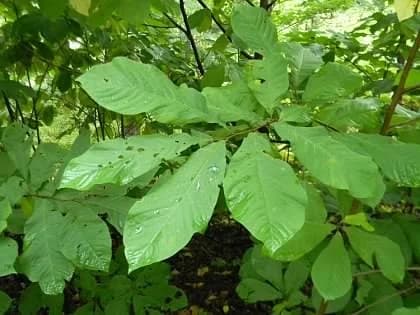
2 register records
Let one unfamiliar detail become an open question.
Practice with Pawpaw →Find this species in West Virginia →Randy Harter · CC BY 4.0 · Photo source ↗ · Converted to WebP
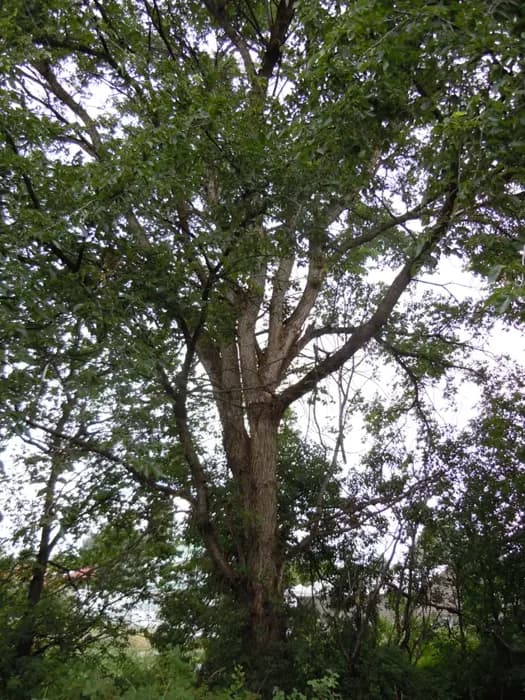
1 register record
Begin with one branch. Let your attention widen to include the life around it.
Practice with American Elm →Find this species in West Virginia →Matt Lavin from Bozeman, Montana, USA · CC BY-SA 2.0 · Photo source ↗ · Converted to WebP
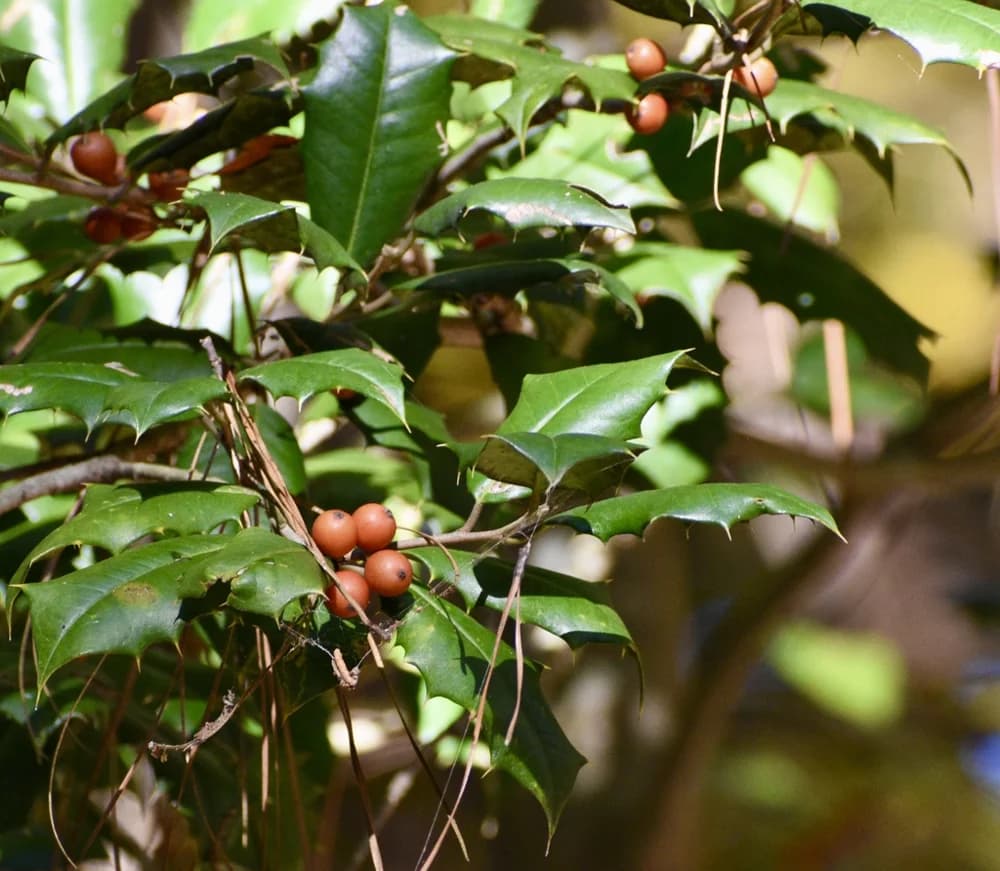
1 register record
Make room for shelter and a boundary that supports it.
Practice with American Holly →Find this species in West Virginia →Cathy DeWitt · CC BY 4.0 · Photo source ↗ · Converted to WebP
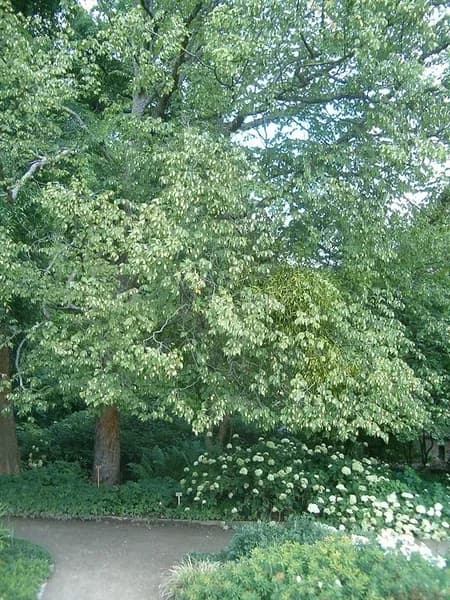
1 register record
Notice a small tree's presence. Find a pace you can return to.
Practice with American Hophornbeam →Find this species in West Virginia →BotBln · CC BY-SA 3.0 · Photo source ↗ · Converted to WebP
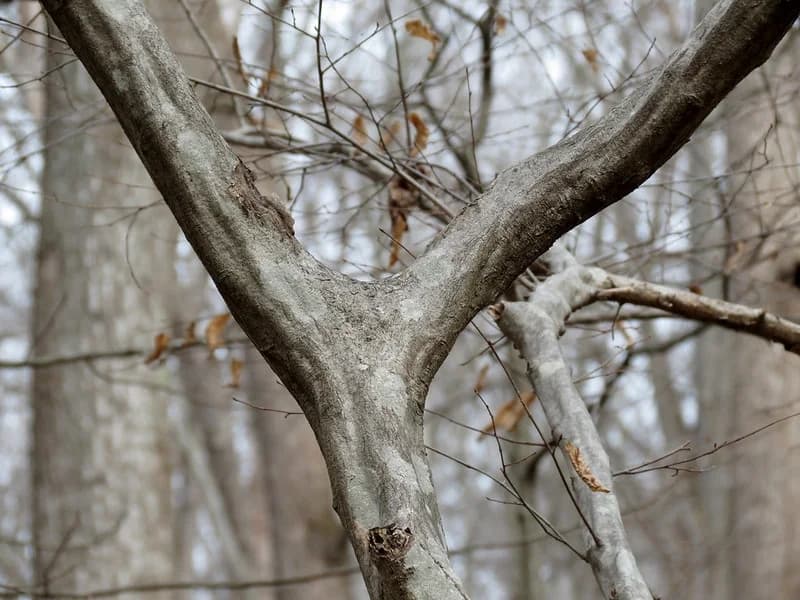
1 register record
Follow one curve. Notice the support that lets you soften your effort.
Practice with American Hornbeam →Find this species in West Virginia →Katja Schulz · CC BY 2.0 · Photo source ↗ · Converted to WebP
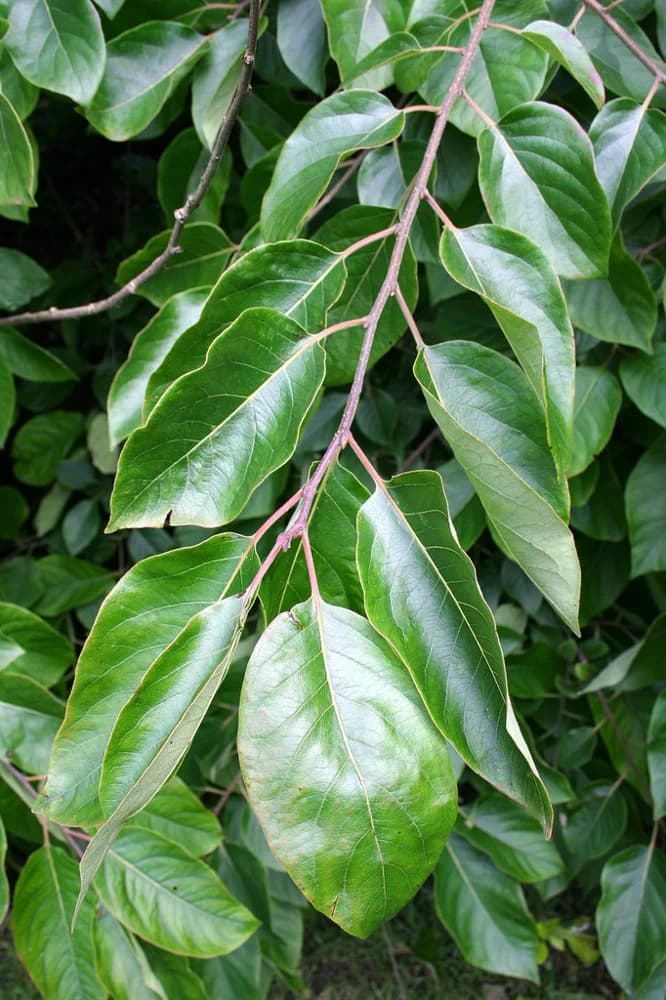
1 register record
Allow readiness to arrive in its own time.
Practice with American Persimmon →Find this species in West Virginia →Jean-Pol GRANDMONT · CC BY 3.0 · Photo source ↗ · Converted to WebP
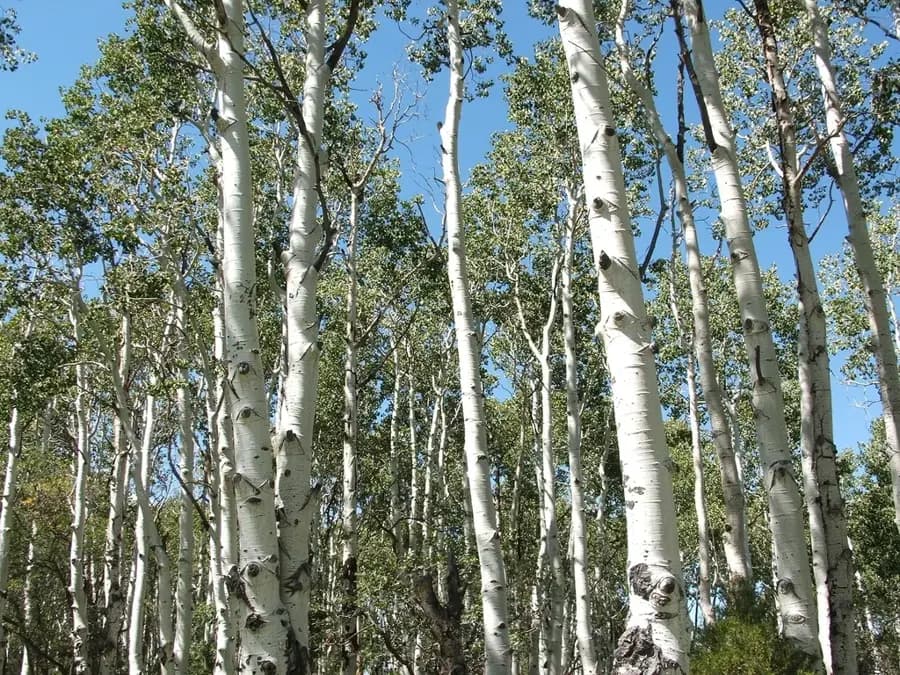
1 register record
Watch what moves. Notice how you respond, with curiosity and room to choose.
Practice with Aspen →Find this species in West Virginia →Tewy · CC BY 3.0 · Photo source ↗ · Converted to WebP
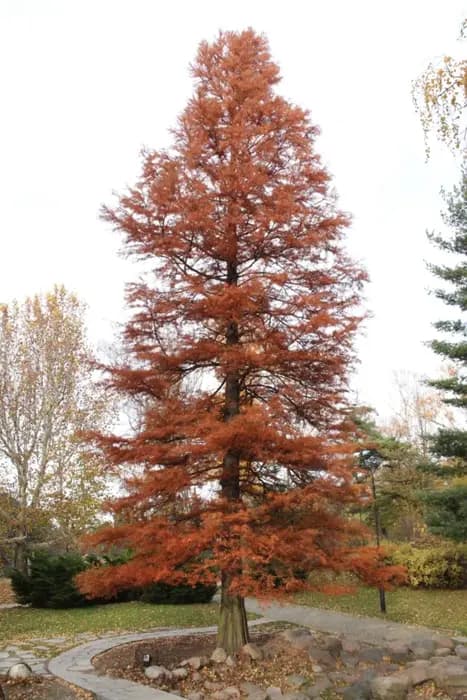
1 register record
Notice a steady form and a changing detail. Practice returning without holding the scene still.
Practice with Bald Cypress →Find this species in West Virginia →Crusier · CC BY-SA 3.0 · Photo source ↗ · Converted to WebP
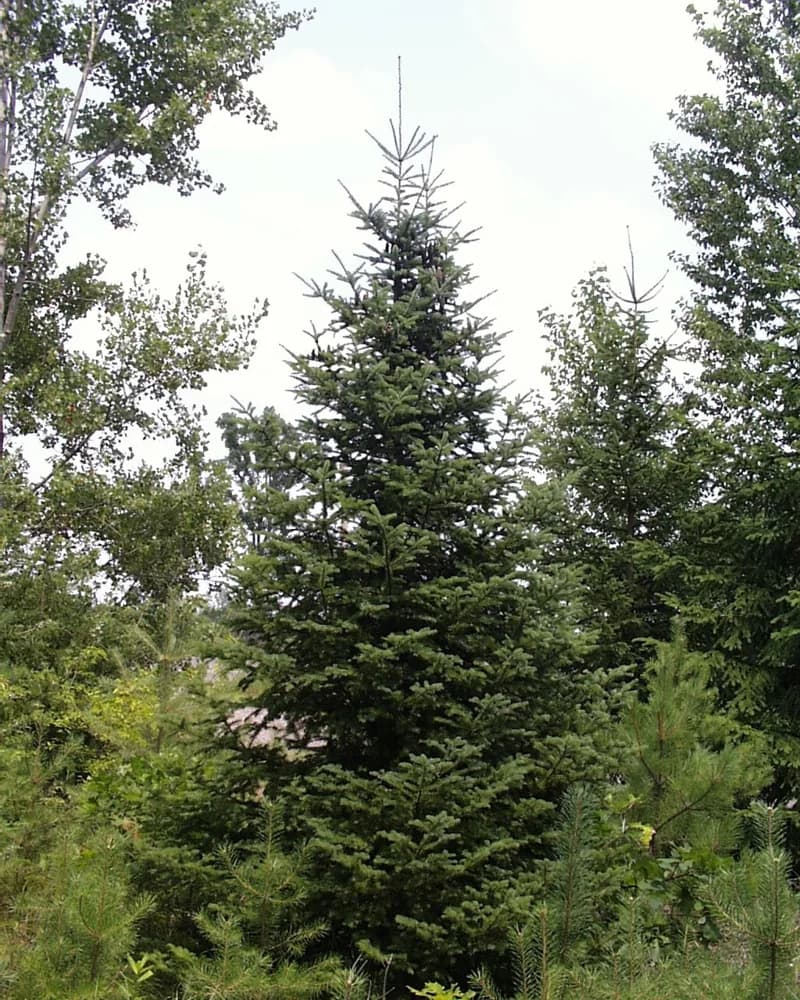
1 register record
Allow a quiet encounter. Give one small detail your attention without asking it to change your mood.
Practice with Balsam Fir →Find this species in West Virginia →U.S. Fish and Wildlife Service · Public domain · Photo source ↗ · Converted to WebP
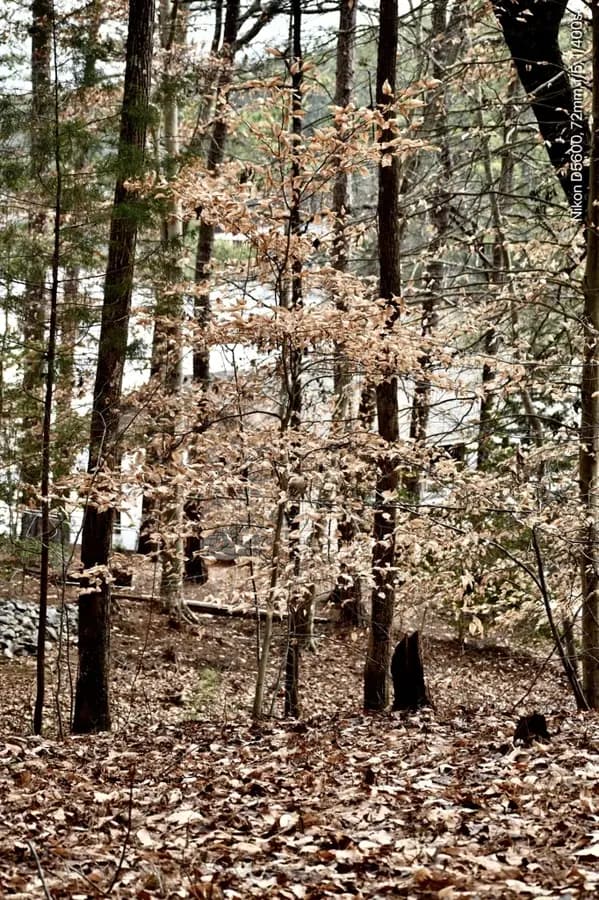
1 register record
Stay with the ordinary detail. Let a few minutes of looking be enough.
Practice with Beech →Find this species in West Virginia →Cathy Dewitt · CC BY 4.0 · Photo source ↗ · Converted to WebP
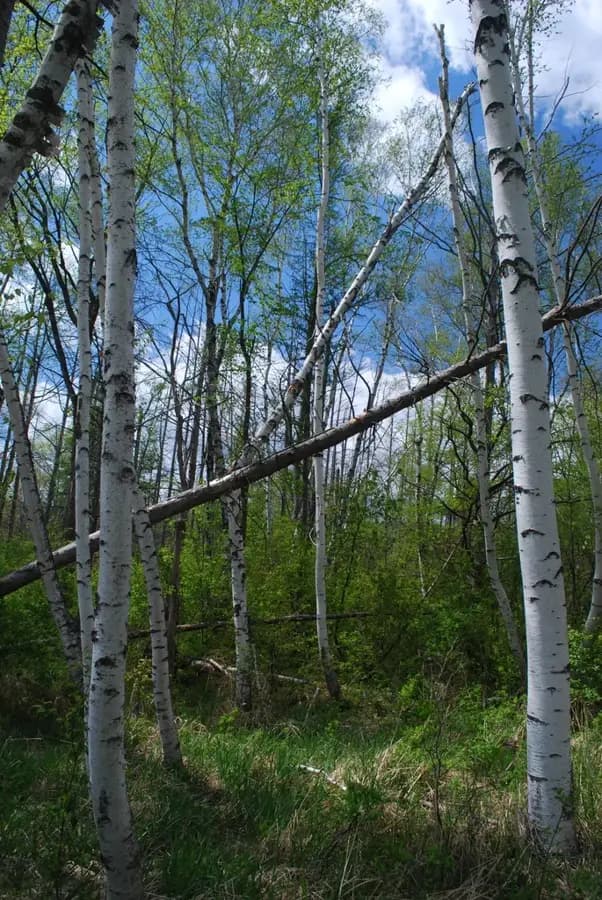
1 register record
Look again. Let a familiar place become the beginning of a new encounter.
Practice with Birch →Find this species in West Virginia →Joshua Mayer · CC-BY-SA 2.0 · Photo source ↗ · Converted to WebP
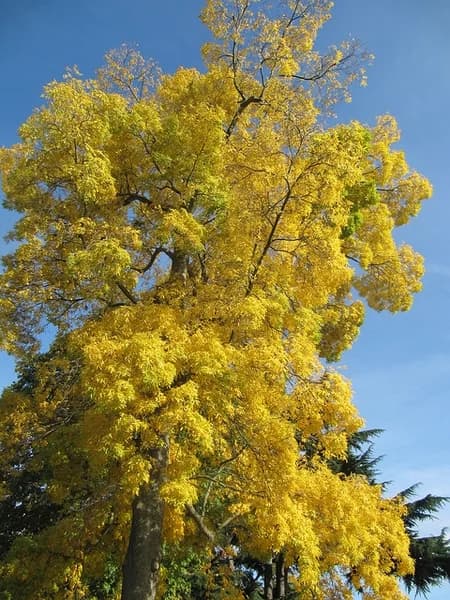
1 register record
Look closely before deciding. Let understanding grow at its own pace.
Practice with Bitternut Hickory →Find this species in West Virginia →Leonora Enking · CC-BY-SA 2.0 · Photo source ↗ · Converted to WebP
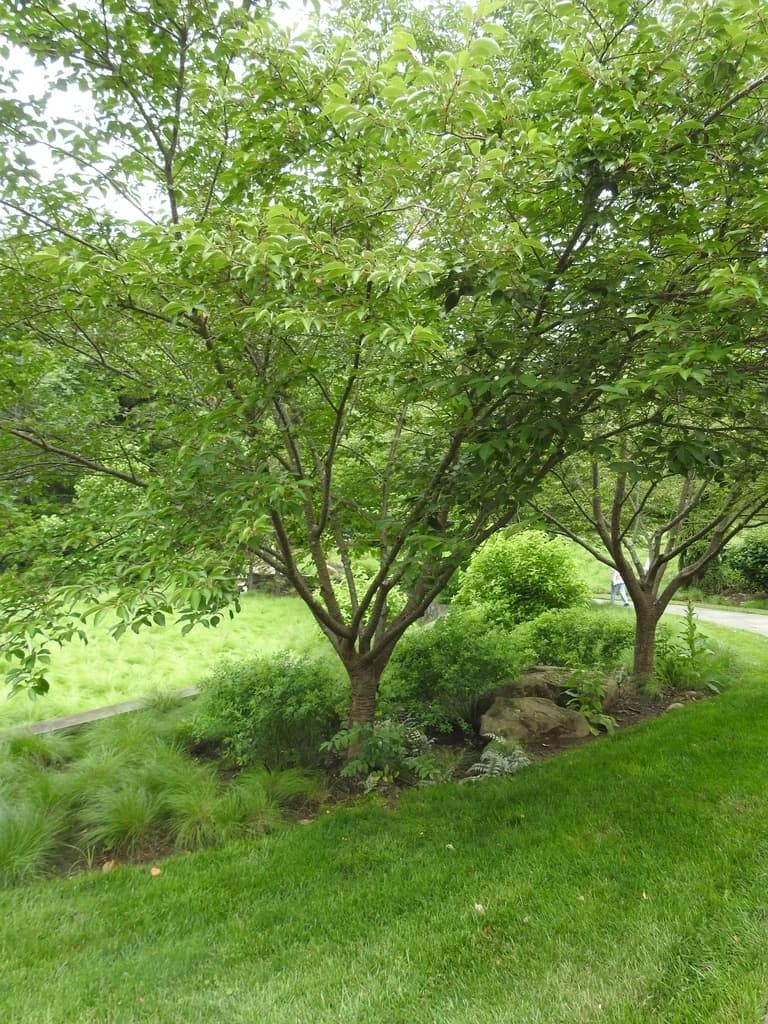
1 register record
Notice the life around one tree. Let your attention make room for another presence.
Practice with Black Cherry →Find this species in West Virginia →Kathleen Moore · CC BY 2.0 · Photo source ↗ · Converted to WebP
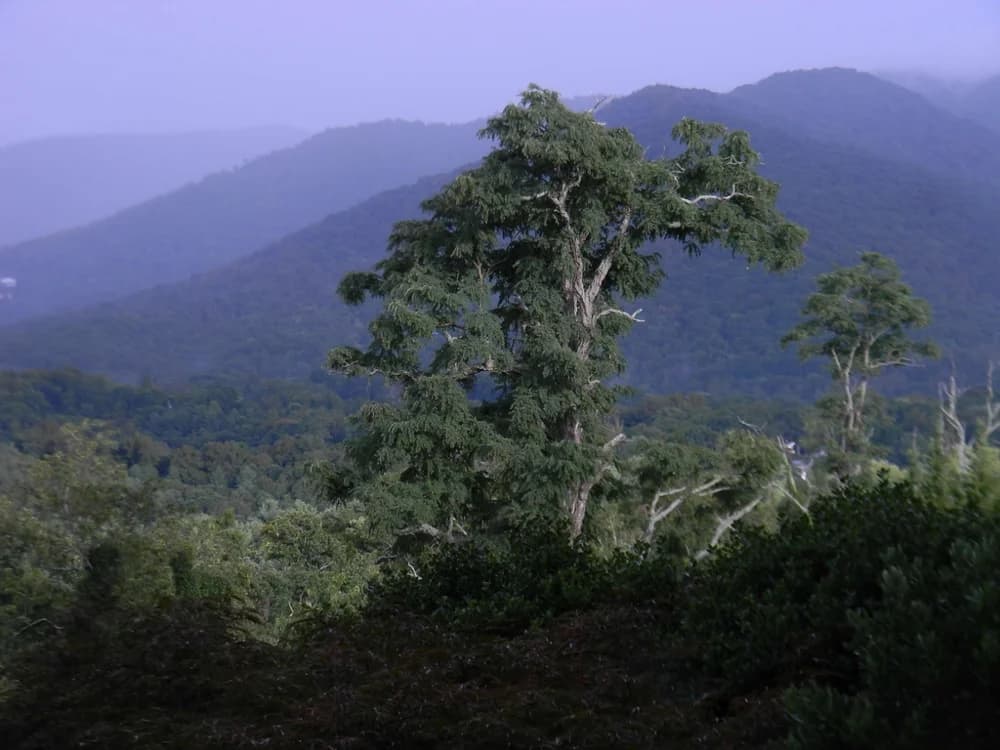
1 register record
Recognize persistence. Choose carefully where to direct it.
Practice with Black Locust →Find this species in West Virginia →Randy Harter · CC BY 4.0 · Photo source ↗ · Converted to WebP
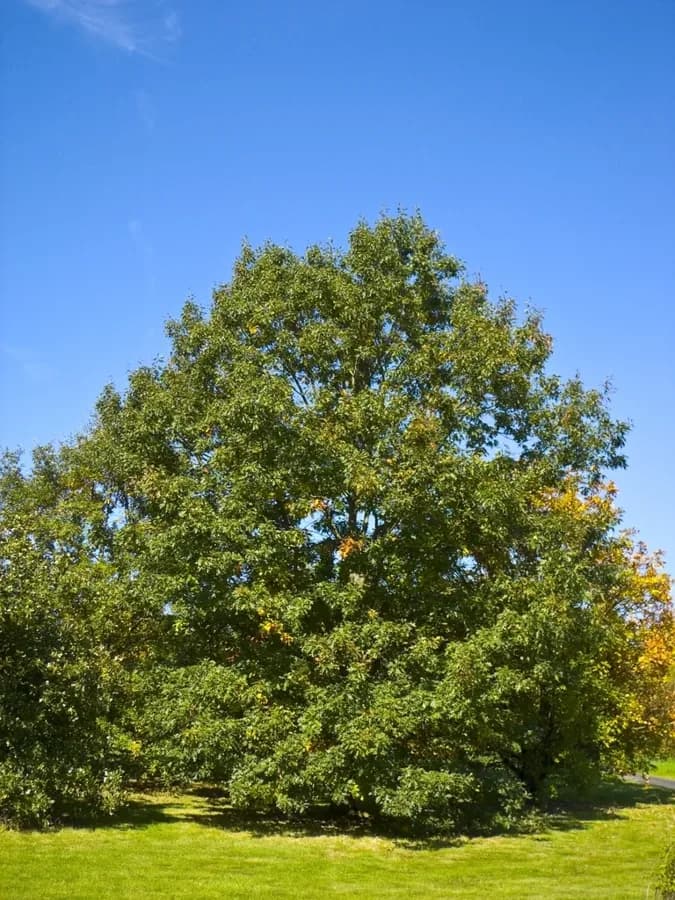
1 register record
Look carefully before naming. Let a clear intention have time to develop.
Practice with Black Oak →Find this species in West Virginia →Willow · CC BY-SA 3.0 · Photo source ↗ · Converted to WebP
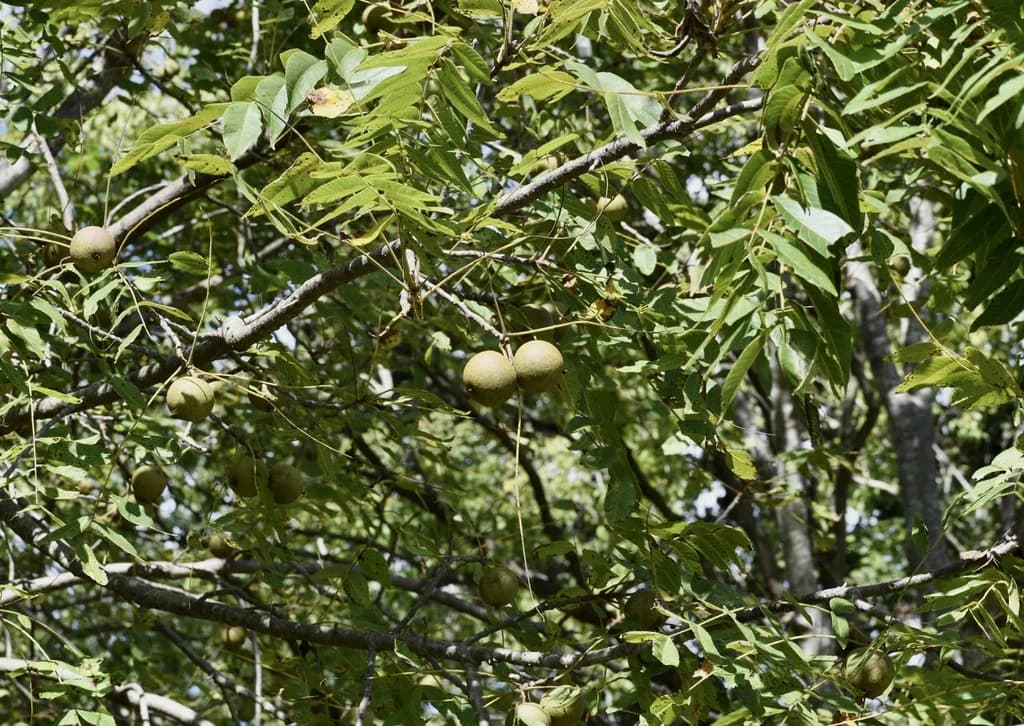
1 register record
Look beyond today's result. Choose something worth tending over time.
Practice with Black Walnut →Find this species in West Virginia →Cathy Dewitt · CC BY 4.0 · Photo source ↗ · Converted to WebP
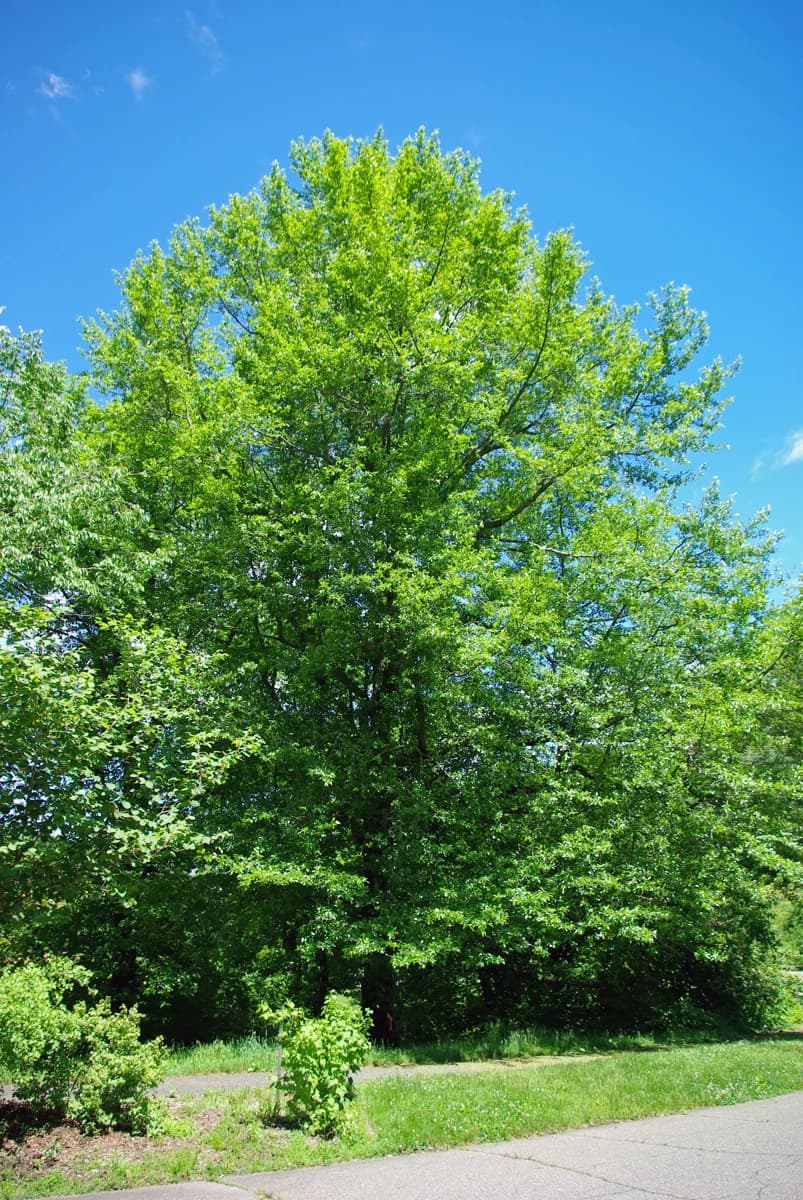
1 register record
Stay with what is here. Let an ordinary detail earn your attention.
Practice with Blackgum →Find this species in West Virginia →Bostonian13 · CC BY-SA 3.0 · Photo source ↗ · Converted to WebP
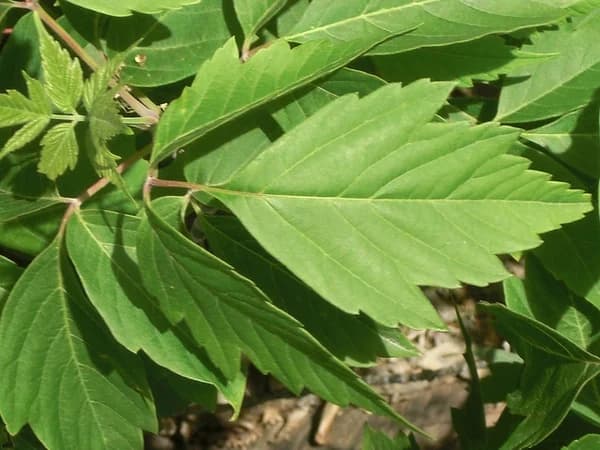
1 register record
Look again at something familiar. Let a different form widen your understanding.
Practice with Boxelder →Find this species in West Virginia →Andrey Zharkikh · CC BY 2.0 · Photo source ↗ · Converted to WebP
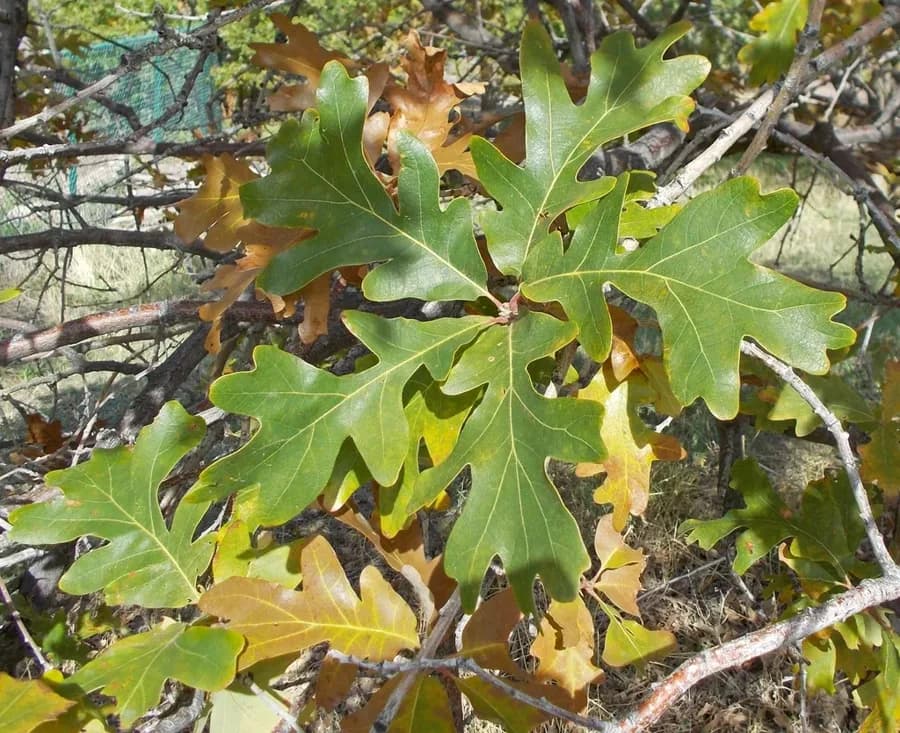
1 register record
Take in a wider view. Make room for an effort you can sustain.
Practice with Bur Oak →Find this species in West Virginia →Andrey Zharkikh · CC BY 2.0 · Photo source ↗ · Converted to WebP
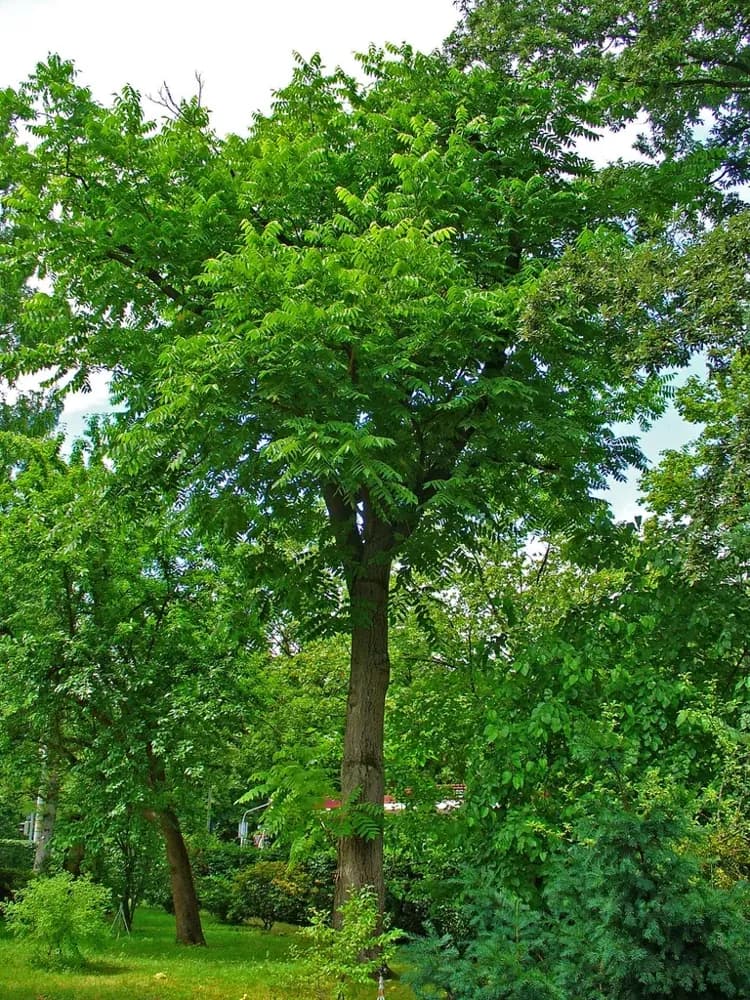
1 register record
Notice one living neighbor. Let appreciation lead to one informed act of care.
Practice with Butternut →Find this species in West Virginia →H. Zell · CC BY-SA 3.0 · Photo source ↗ · Converted to WebP
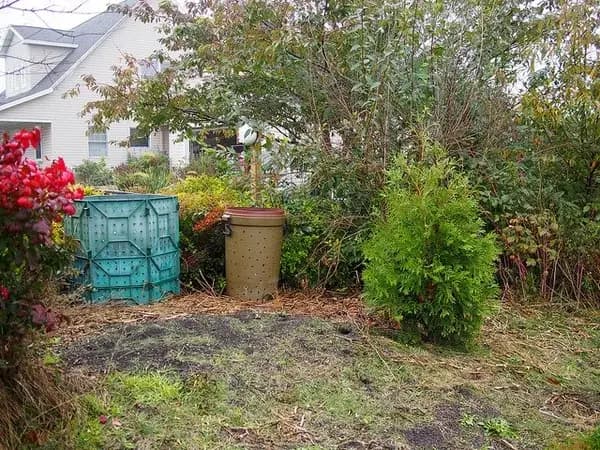
1 register record
Notice what supports a life. Reflect on belonging through the care you receive and offer.
Practice with Cedar →Find this species in West Virginia →F.D. Richards · CC-BY-SA 2.0 · Photo source ↗ · Converted to WebP
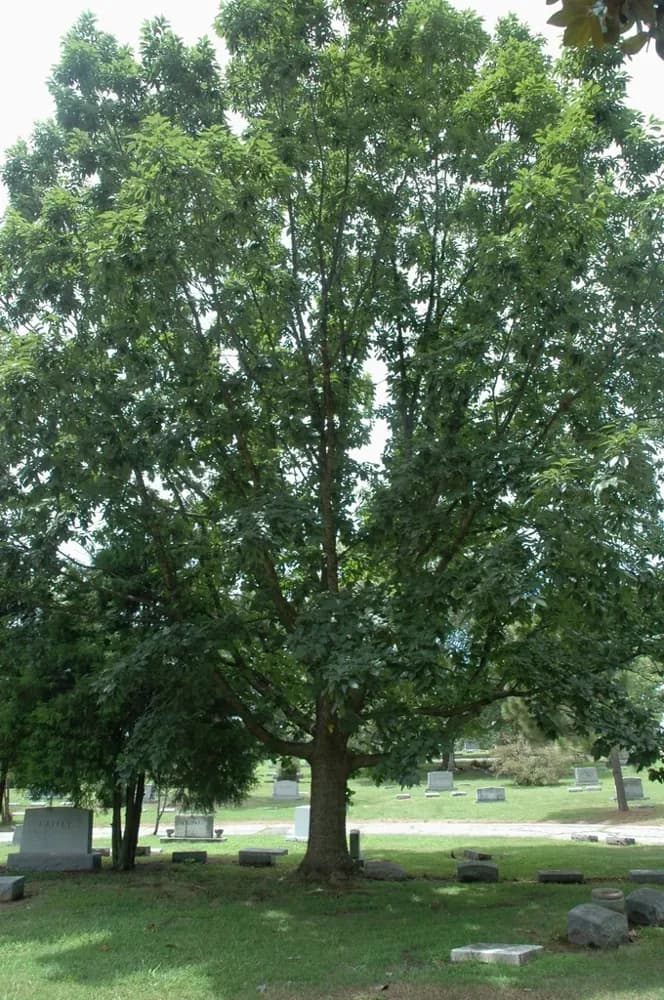
1 register record
Look twice. Give one small detail enough attention to change your first impression.
Practice with Chinkapin Oak →Find this species in West Virginia →Bruce Kirchoff · CC BY 2.0 · Photo source ↗ · Converted to WebP
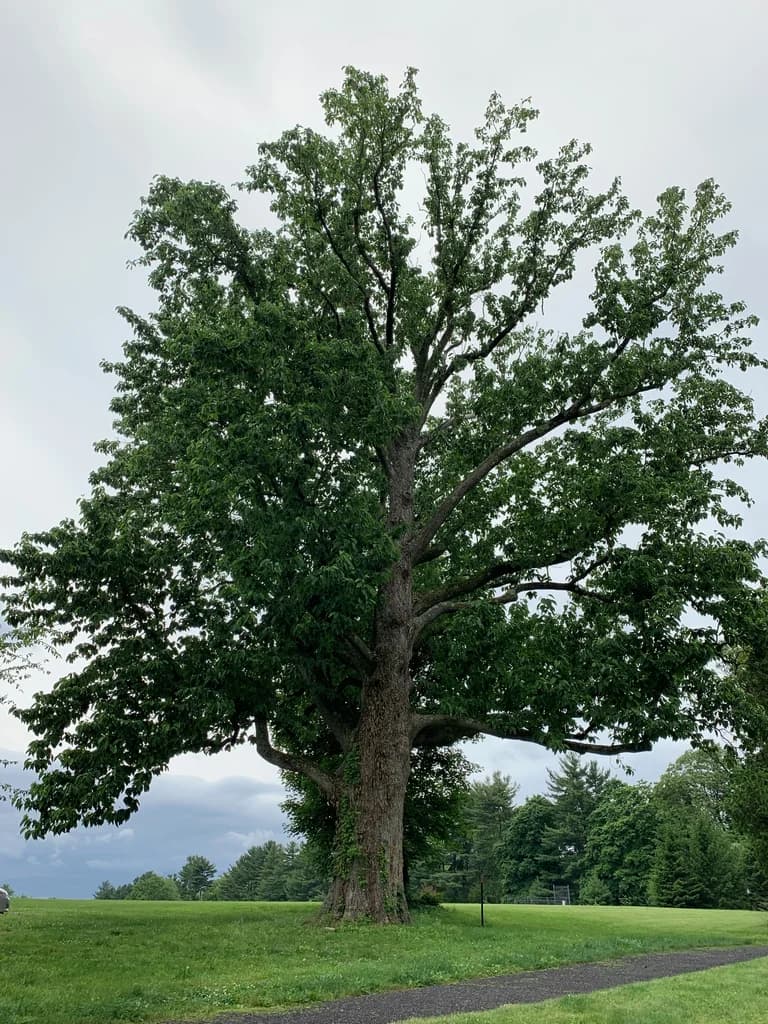
1 register record
Look for what is easy to miss. Let a quiet detail be enough.
Practice with Cucumber Magnolia →Find this species in West Virginia →KATHERINE WAGNER-REISS · CC BY-SA 4.0 · Photo source ↗ · Converted to WebP
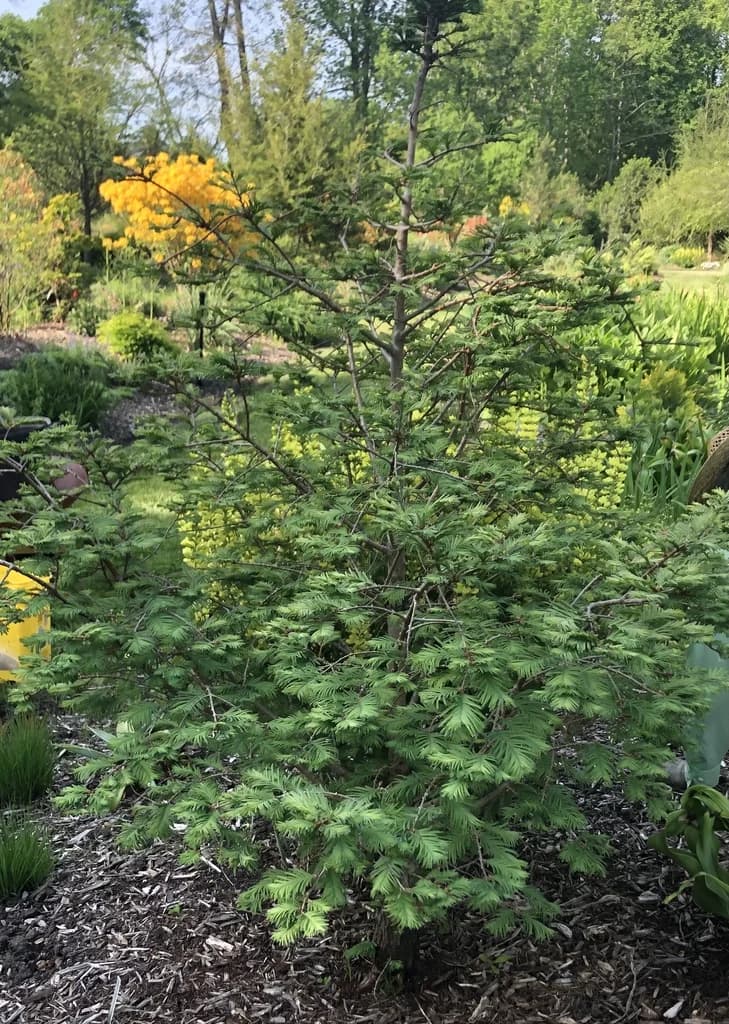
1 register record
Notice what this season holds. Let change have a place in continuity.
Practice with Dawn Redwood →Find this species in West Virginia →Cathy Dewitt · CC BY 4.0 · Photo source ↗ · Converted to WebP
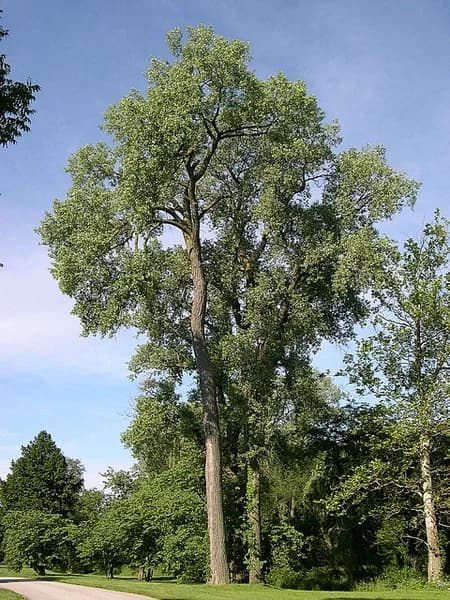
1 register record
Watch what moves. Notice what remains beneath it.
Practice with Eastern Cottonwood →Find this species in West Virginia →Jay Sturner · CC BY 2.0 · Photo source ↗ · Converted to WebP
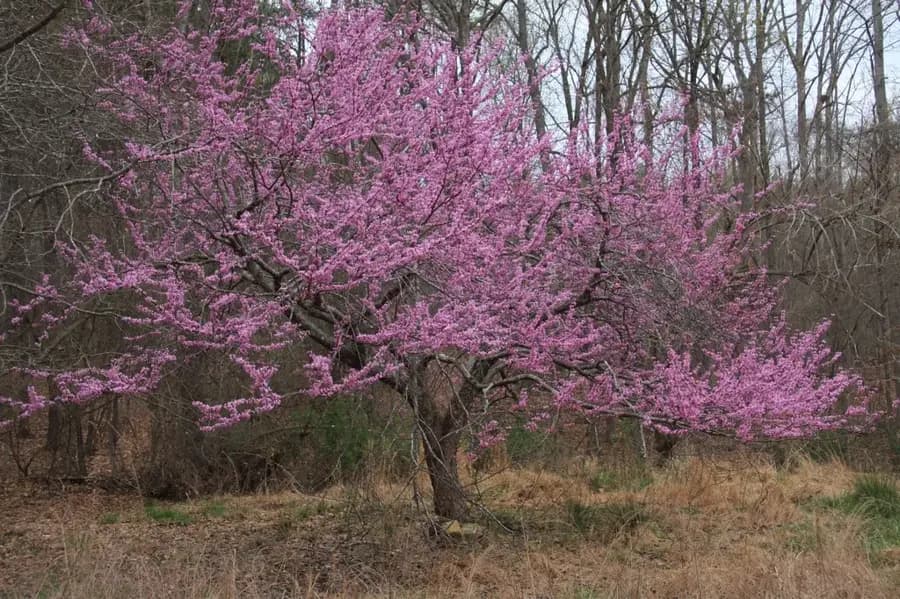
1 register record
Look for one seasonal detail. Give an emerging possibility your attention.
Practice with Eastern Redbud →Find this species in West Virginia →Dcrjsr · CC BY 3.0 · Photo source ↗ · Converted to WebP
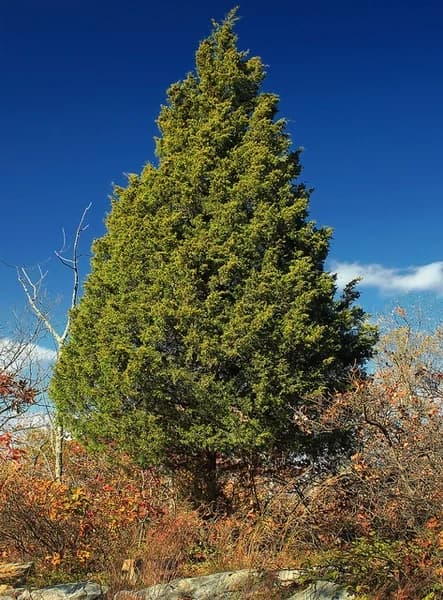
1 register record
Find a steady point within the shelter of a changing day.
Practice with Eastern Redcedar →Find this species in West Virginia →Nicholas A. Tonelli · CC BY 2.0 · Photo source ↗ · Converted to WebP
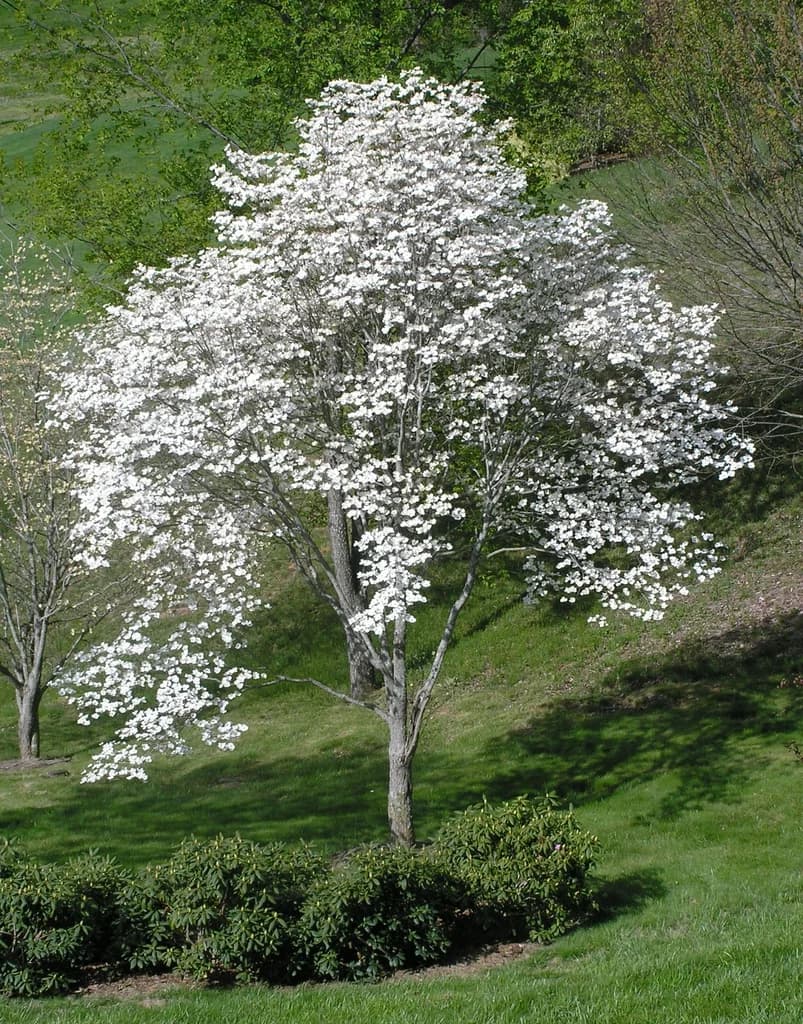
1 register record
Notice the small center within a familiar display.
Practice with Flowering Dogwood →Find this species in West Virginia →Jim Janke · CC BY 4.0 · Photo source ↗ · Converted to WebP
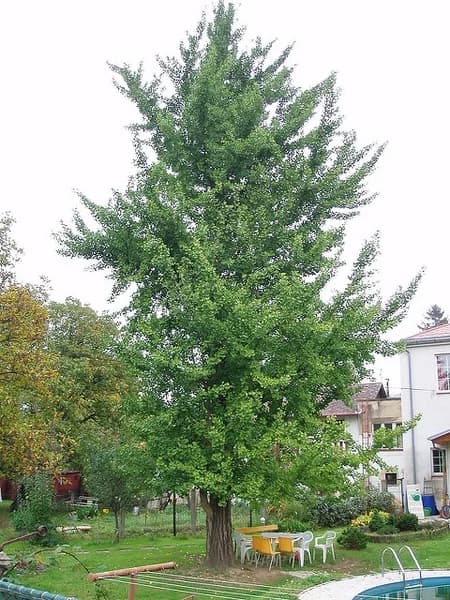
1 register record
Meet this moment within a longer story.
Practice with Ginkgo →Find this species in West Virginia →Ginkgo CZ · CC BY 2.0 · Photo source ↗ · Converted to WebP
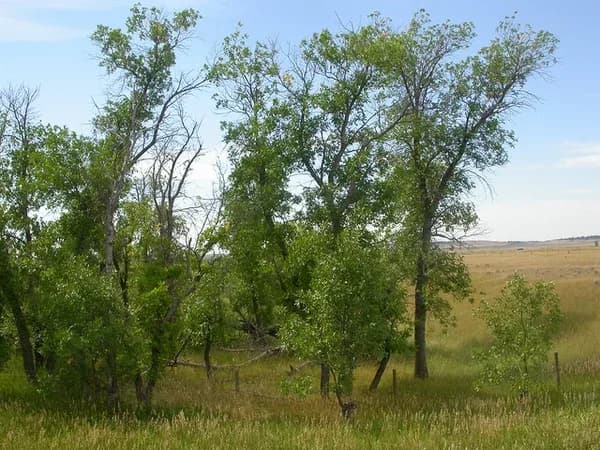
1 register record
Notice the present conditions. Find one adjustment that helps you continue.
Practice with Green Ash →Find this species in West Virginia →Matt Lavin · CC-BY-SA 2.0 · Photo source ↗ · Converted to WebP
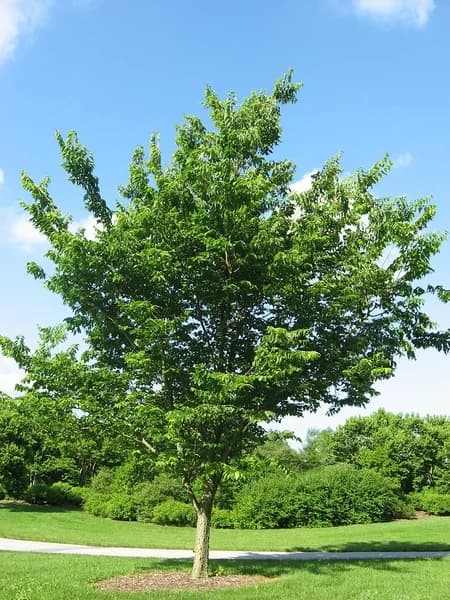
1 register record
Notice texture and the life around it. Find one ordinary way to care.
Practice with Hackberry →Find this species in West Virginia →Not named by source · CC0 · Photo source ↗ · Converted to WebP
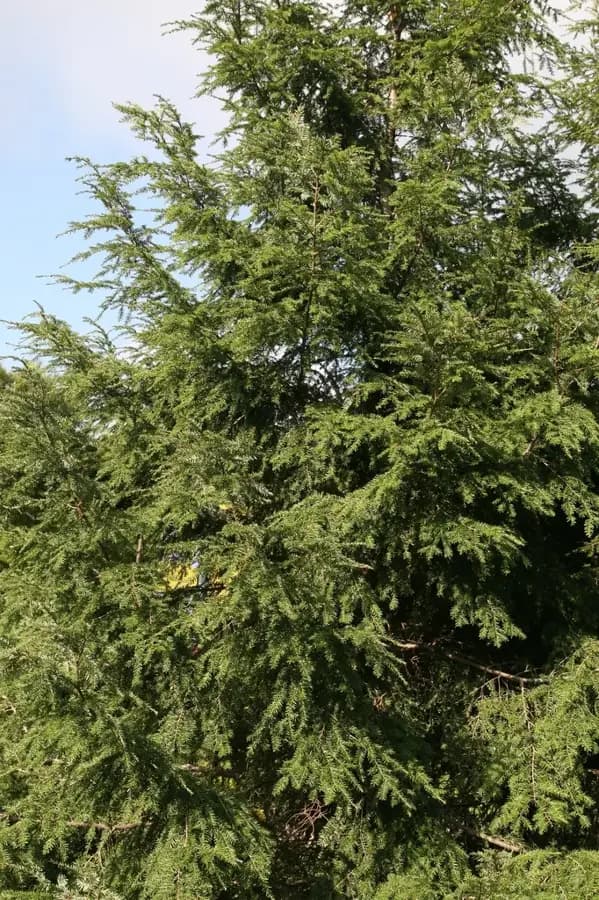
1 register record
Listen beneath the branches. Make room for nearby sounds and your own response.
Practice with Hemlock →Find this species in West Virginia →David J. Stang · CC BY-SA 4.0 · Photo source ↗ · Converted to WebP
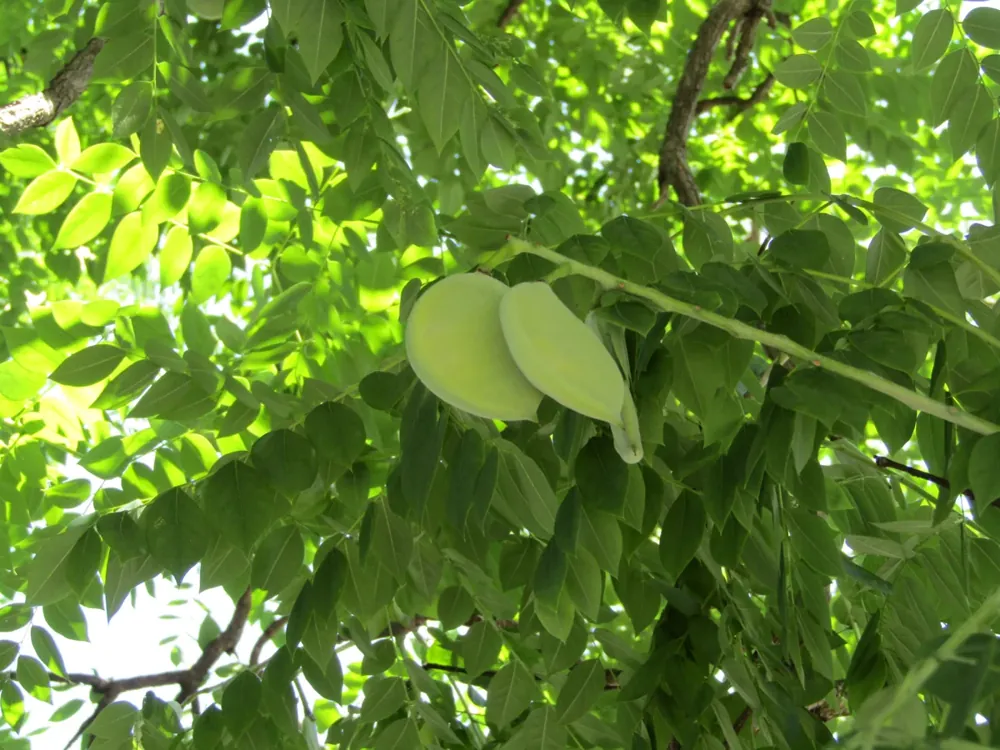
1 register record
Notice the space between branches. Give an unfinished thing time to unfold.
Practice with Kentucky Coffeetree →Find this species in West Virginia →Leonora (Ellie) Enking · CC BY-SA 2.0 · Photo source ↗ · Converted to WebP
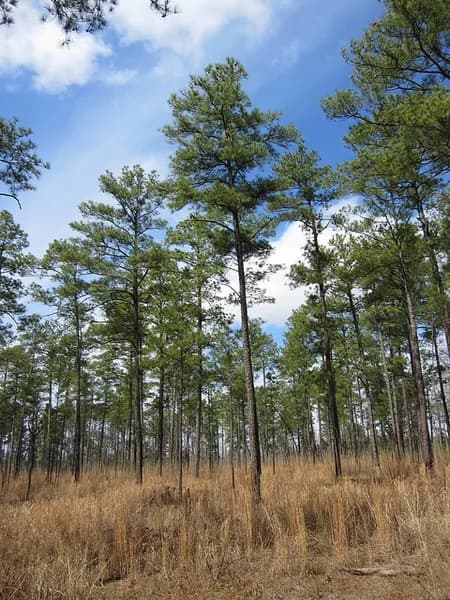
1 register record
Notice growth from a steady place.
Practice with Loblolly Pine →Find this species in West Virginia →Chris M. Morris · CC BY 2.0 · Photo source ↗ · Converted to WebP
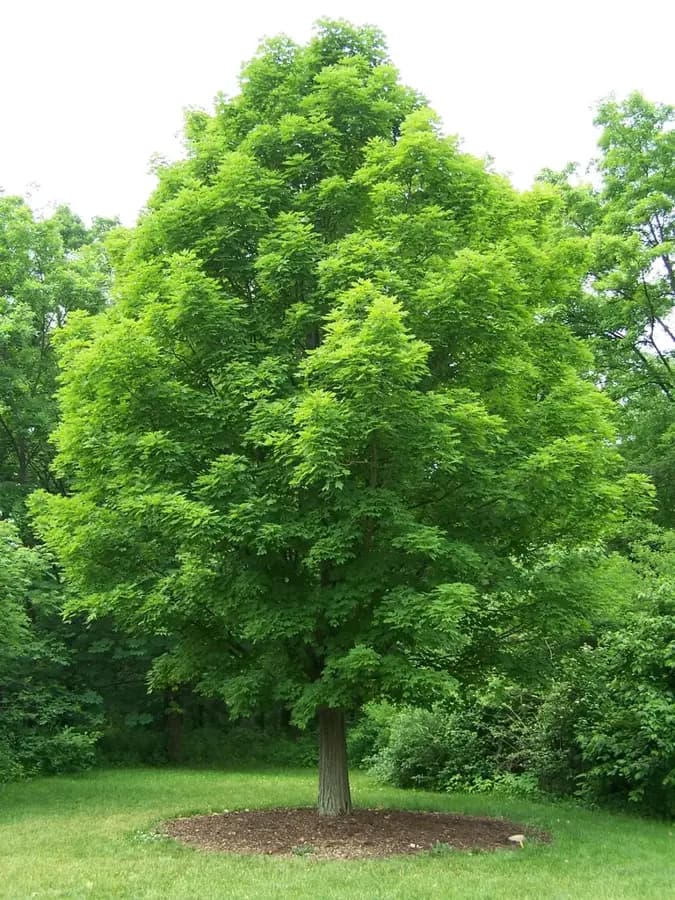
1 register record
Notice the season you are in. Explore what you offer, receive, and allow to change.
Practice with Maple →Find this species in West Virginia →Bruce Marlin · CC BY-SA 2.5 · Photo source ↗ · Converted to WebP
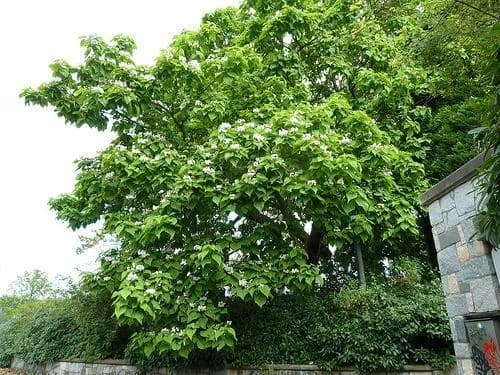
1 register record
Look at one broad leaf, then let your attention include the space around it.
Practice with Northern Catalpa →Find this species in West Virginia →Wendy Culter · CC BY 2.0 · Photo source ↗ · Converted to WebP
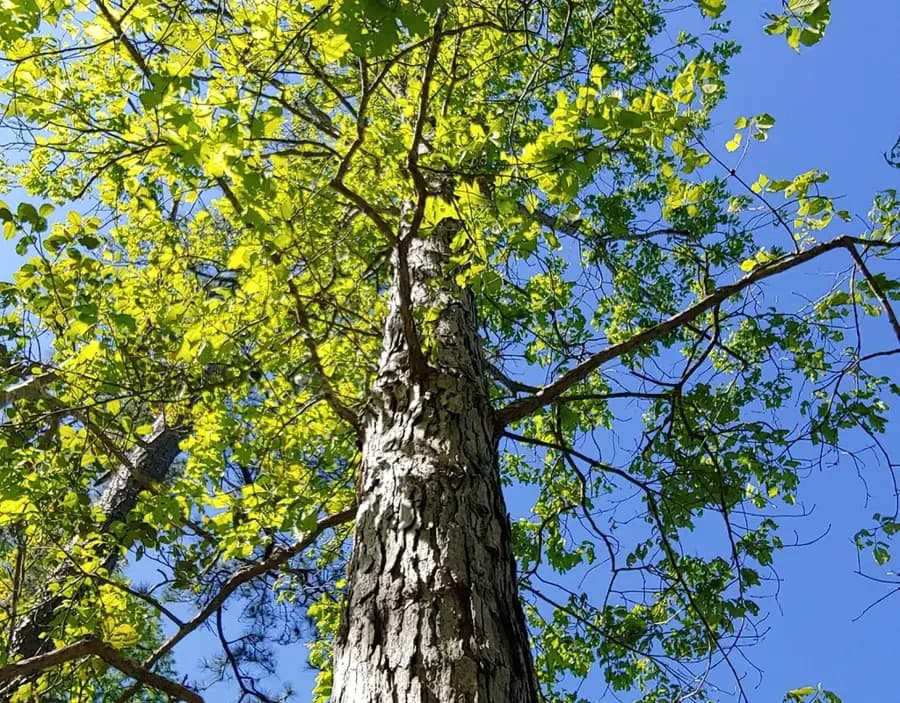
1 register record
Give growth time. Find a steady place from which you can respond to change.
Practice with Oak →Find this species in West Virginia →skdavidson · CC-BY-SA 2.0 · Photo source ↗ · Converted to WebP
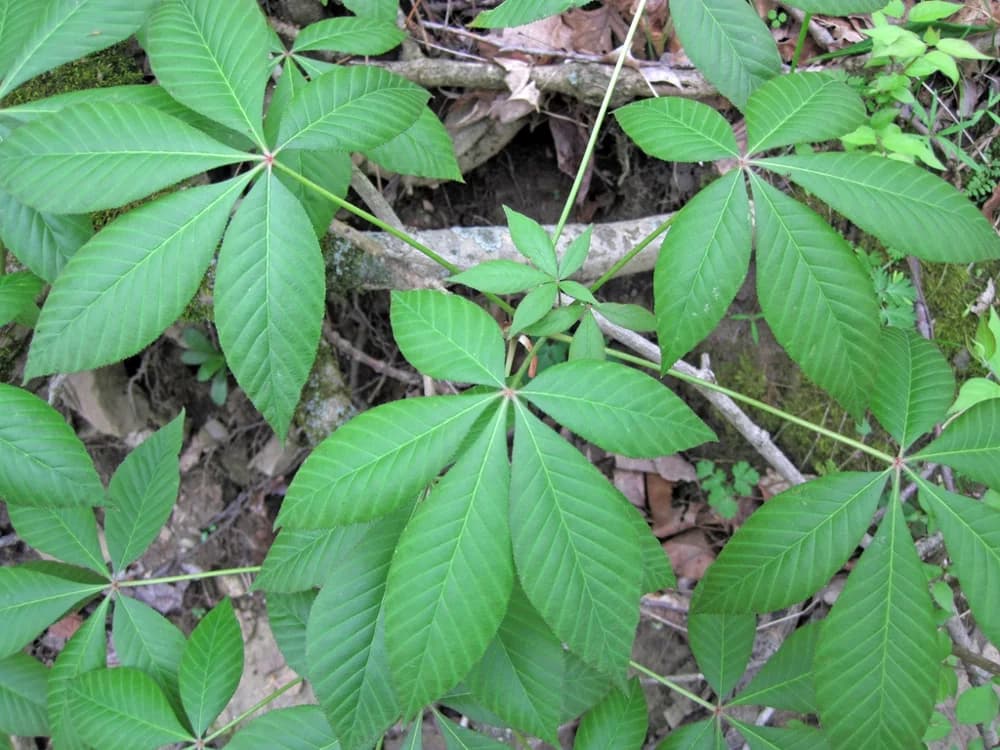
1 register record
Let an open leaf invite a little more room for attention.
Practice with Ohio Buckeye →Find this species in West Virginia →James St. John, Flickr · CC BY 2.0 · Photo source ↗ · Converted to WebP
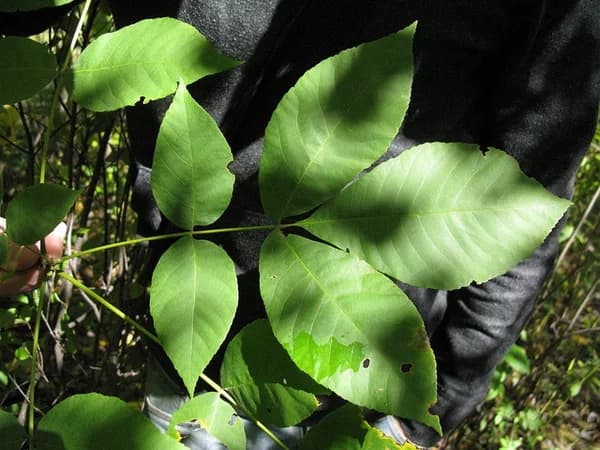
1 register record
Follow a line of leaflets and find a steadier rhythm of attention.
Practice with Pignut Hickory →Find this species in West Virginia →Jamie Richmond · CC BY 2.0 · Photo source ↗ · Converted to WebP
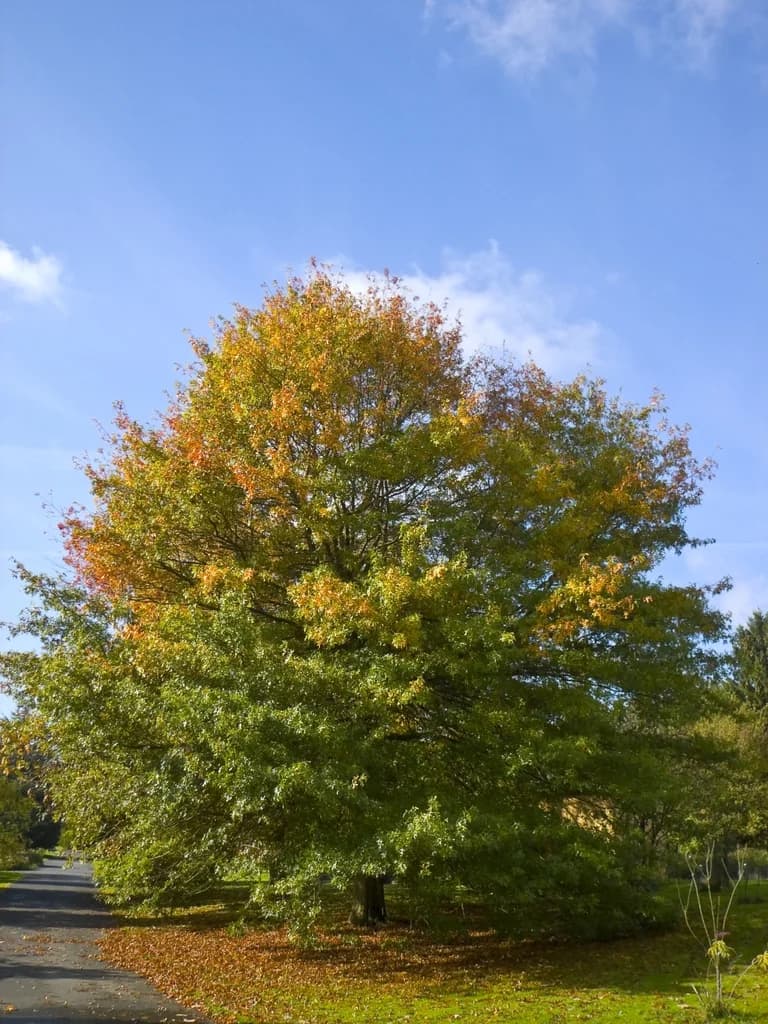
1 register record
Follow one branch. Find a clear direction within a complicated day.
Practice with Pin Oak →Find this species in West Virginia →Willow · CC BY-SA 3.0 · Photo source ↗ · Converted to WebP
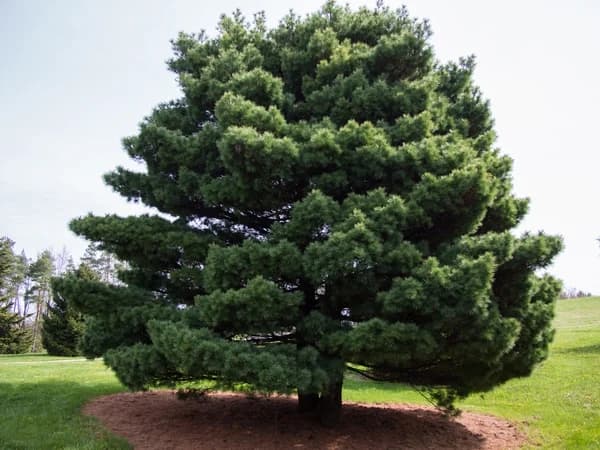
1 register record
Return to one clear point. Notice what stays, what changes, and how you begin again.
Practice with Pine →Find this species in West Virginia →F. D. Richards · CC BY-SA 4.0 · Photo source ↗ · Converted to WebP
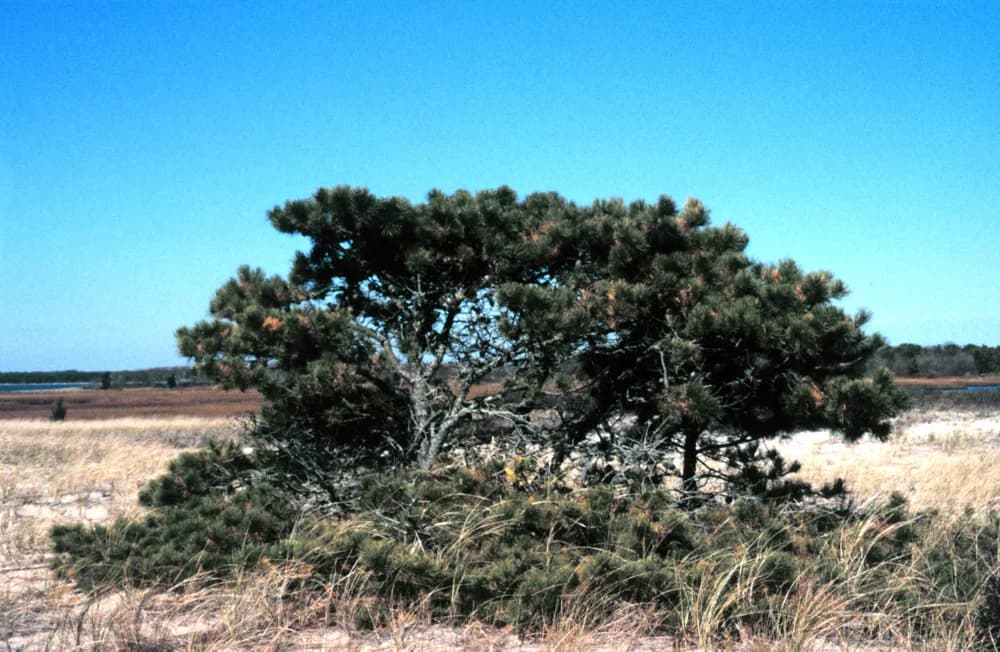
1 register record
Begin again from the place where you stand.
Practice with Pitch Pine →Find this species in West Virginia →Joan Muller / NOAA, Waquoit Bay NERR · Public domain · Photo source ↗ · Converted to WebP
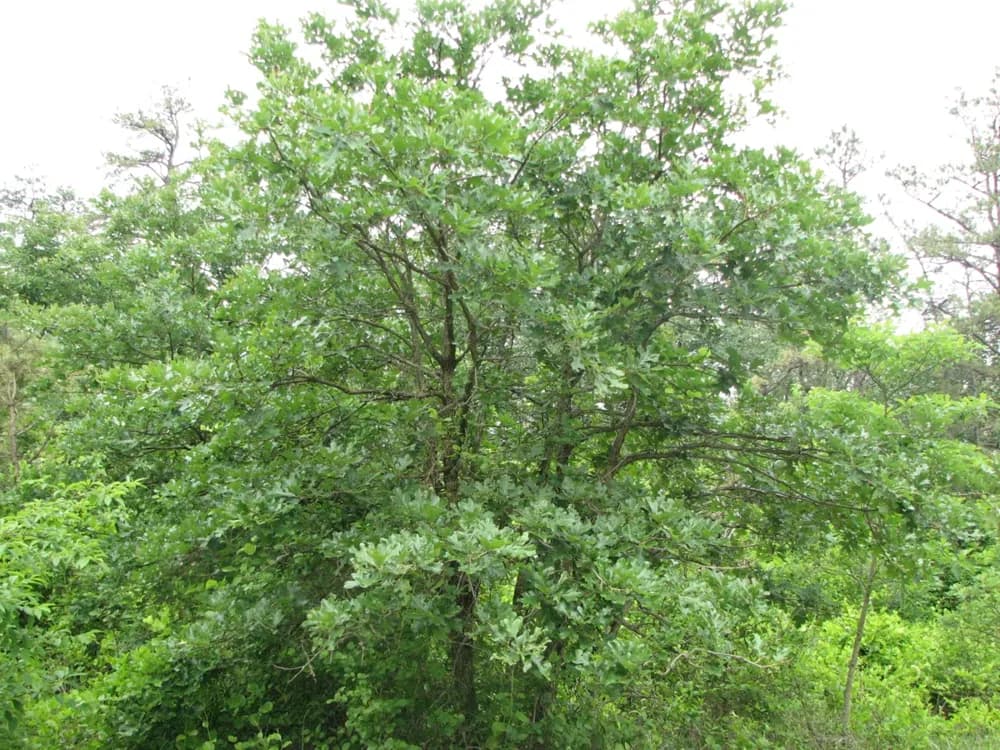
1 register record
Choose one small, repeatable act. Let enough be enough for today.
Practice with Post Oak →Find this species in West Virginia →Choess · CC BY-SA 3.0 · Photo source ↗ · Converted to WebP
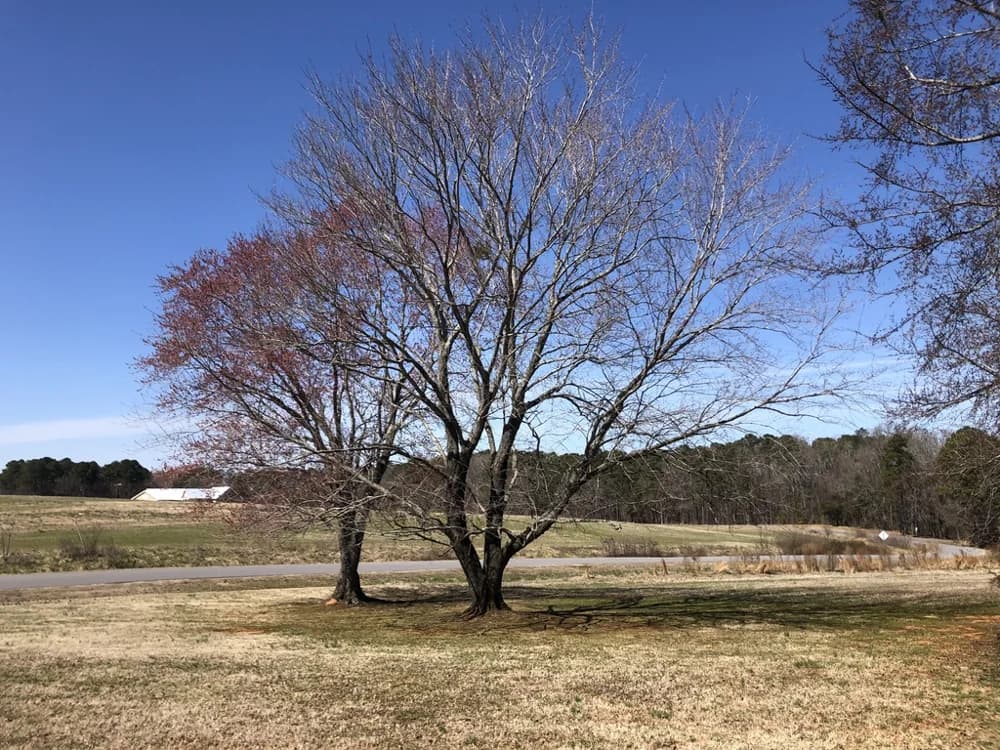
1 register record
Meet the conditions you have. Notice how a small adjustment can open another way forward.
Practice with Red Maple →Find this species in West Virginia →Cathy Dewitt · CC BY 4.0 · Photo source ↗ · Converted to WebP
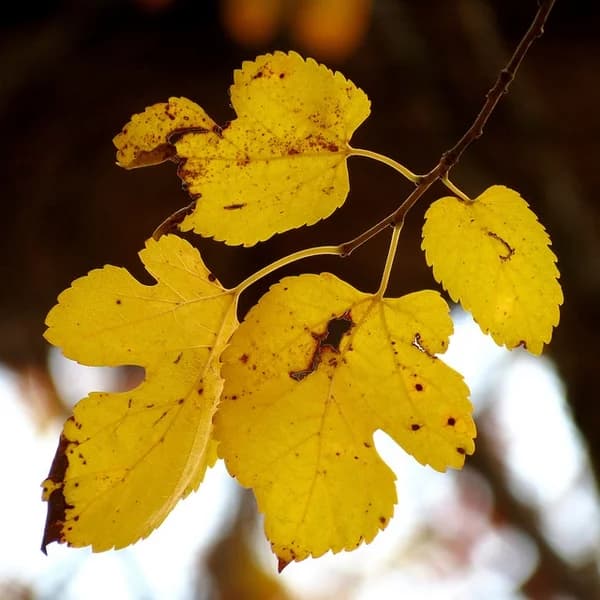
1 register record
Notice what is offered, and what you can give in return.
Practice with Red Mulberry →Find this species in West Virginia →Katja Schultz · CC BY 2.0 · Photo source ↗ · Converted to WebP
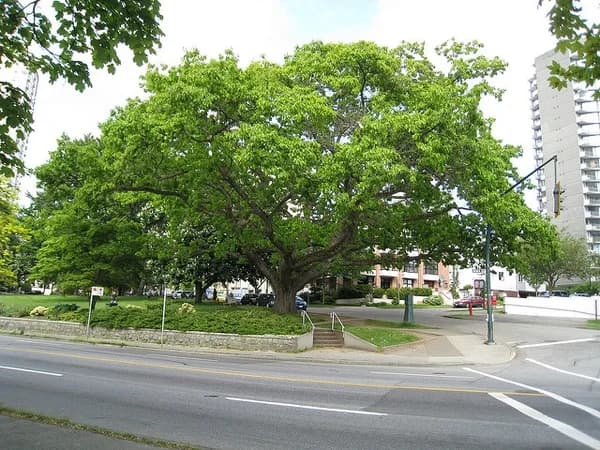
1 register record
Find a steady center. Leave room for the many lives and possibilities around it.
Practice with Red Oak →Find this species in West Virginia →Wendy Cutler · CC BY 4.0 · Photo source ↗ · Converted to WebP
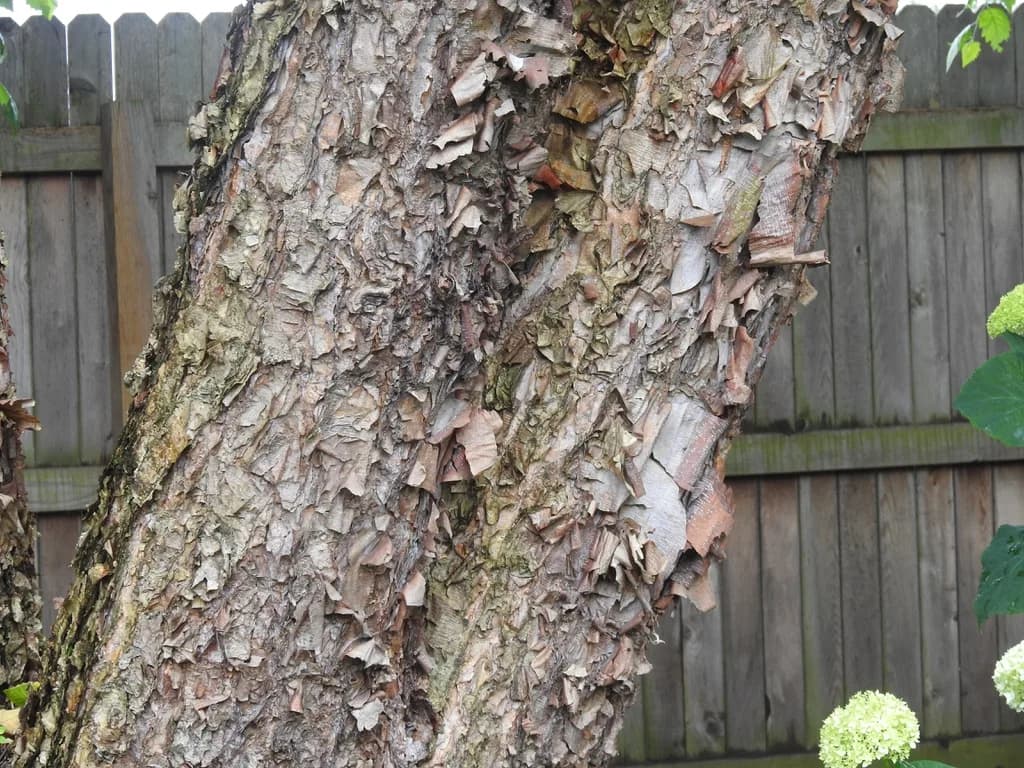
1 register record
Follow a changing surface. Make room for one useful adjustment.
Practice with River Birch →Find this species in West Virginia →Kathleen Moore · CC BY 2.0 · Photo source ↗ · Converted to WebP
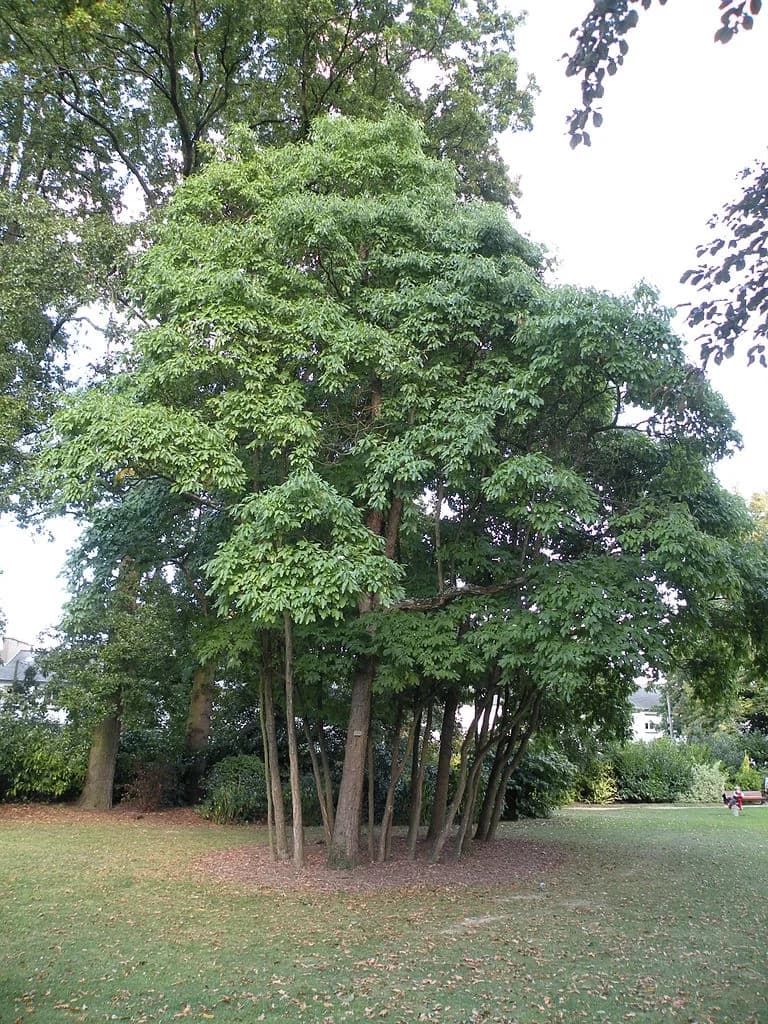
1 register record
Make room for more than one shape. Notice a difference without needing to resolve it.
Practice with Sassafras →Find this species in West Virginia →Pymouss · CC BY-SA 3.0 · Photo source ↗ · Converted to WebP
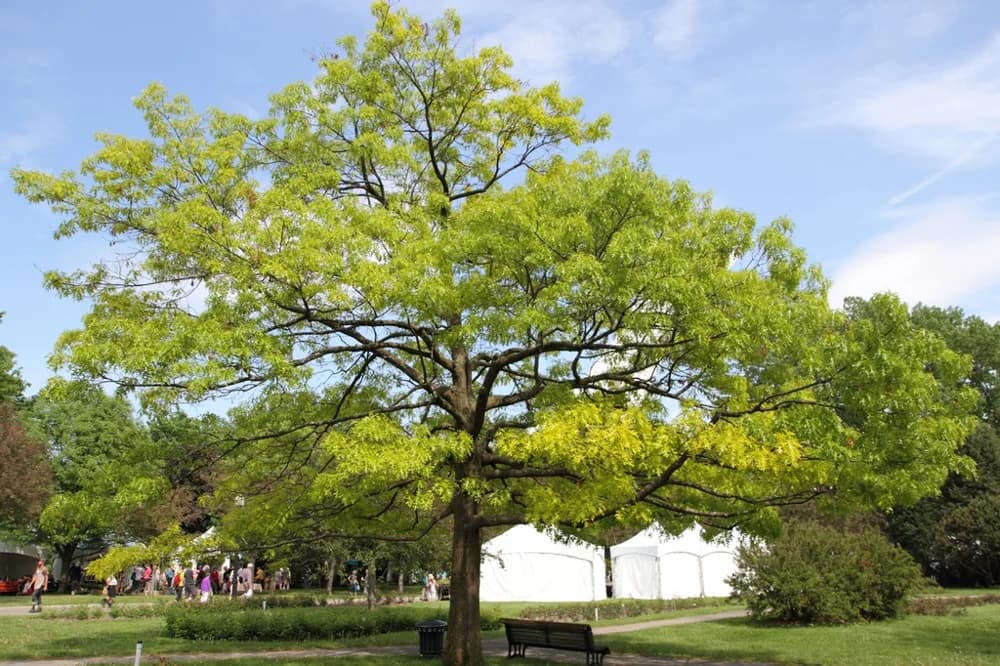
1 register record
Notice a change without asking yourself to hurry it.
Practice with Scarlet Oak →Find this species in West Virginia →Cephas · CC BY-SA 3.0 · Photo source ↗ · Converted to WebP
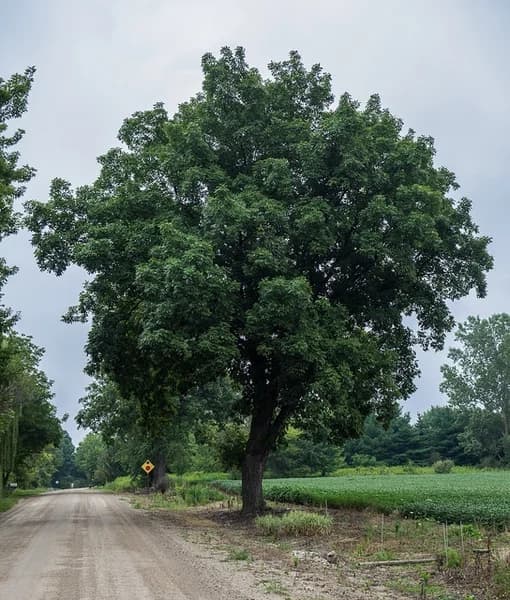
1 register record
Let the layers hold your attention. Give something worthwhile time to develop.
Practice with Shagbark Hickory →Find this species in West Virginia →F. D. Richards · CC-BY-SA 2.0 · Photo source ↗ · Converted to WebP
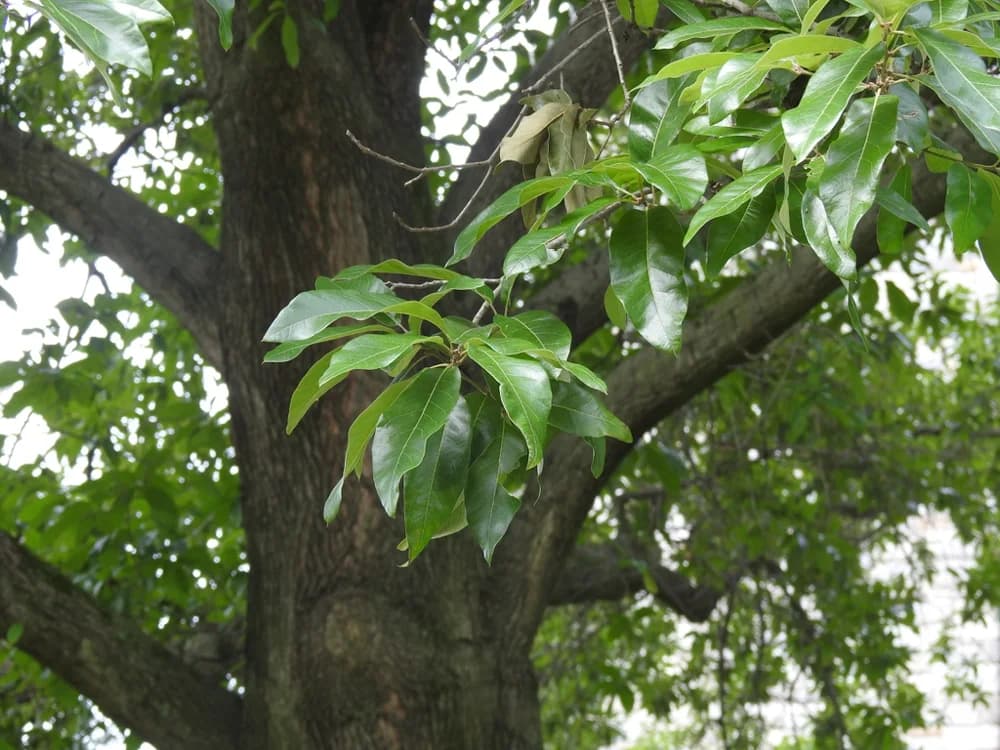
1 register record
Let an unexpected oak invite you to look beyond familiar outlines.
Practice with Shingle Oak →Find this species in West Virginia →Kathleen Moore · CC BY 2.0 · Photo source ↗ · Converted to WebP
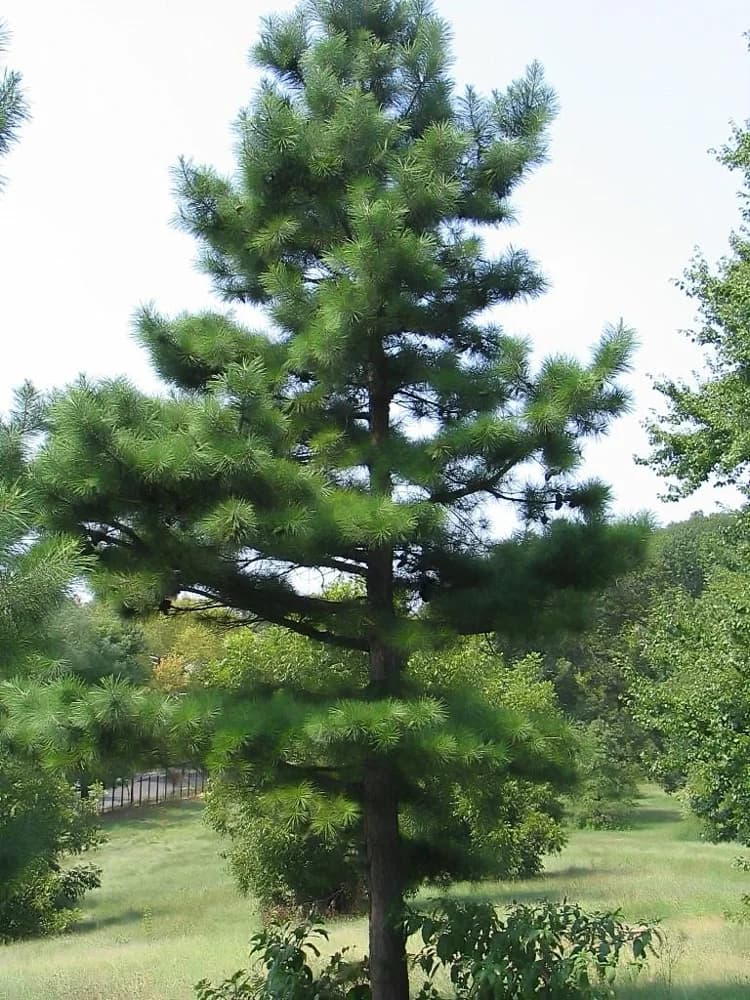
1 register record
Look through an evergreen crown and notice change within continuity.
Practice with Shortleaf Pine →Find this species in West Virginia →David J. Stang · CC BY-SA 4.0 · Photo source ↗ · Converted to WebP
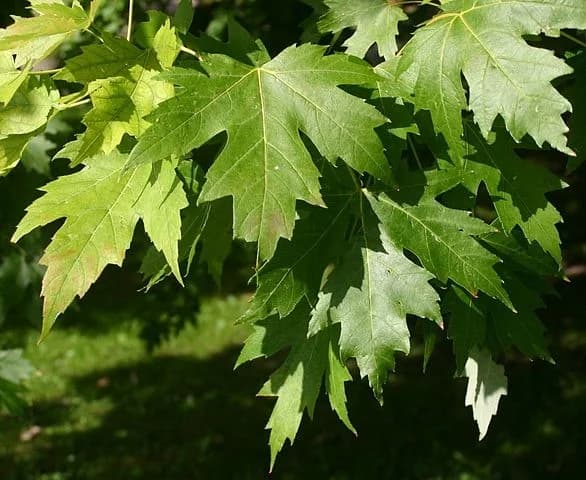
1 register record
Watch a familiar surface change. Allow another angle to add to what you know.
Practice with Silver Maple →Find this species in West Virginia →Olegivvit · CC BY-SA 3.0 · Photo source ↗ · Converted to WebP
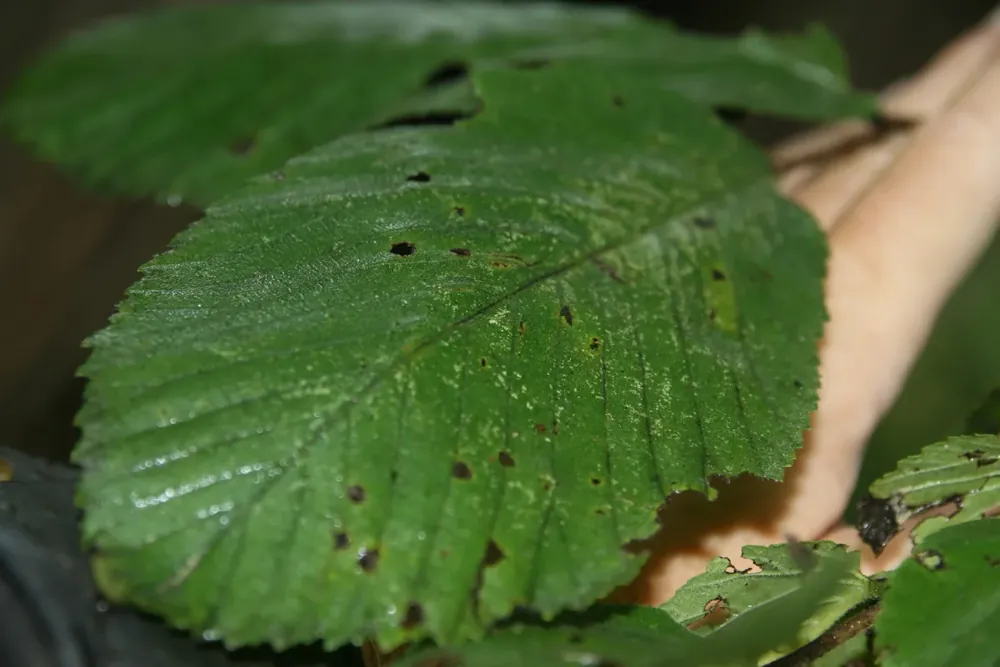
1 register record
Let a close look be gentle. You can notice texture without touching it.
Practice with Slippery Elm →Find this species in West Virginia →David J. Stang · CC BY-SA 4.0 · Photo source ↗ · Converted to WebP
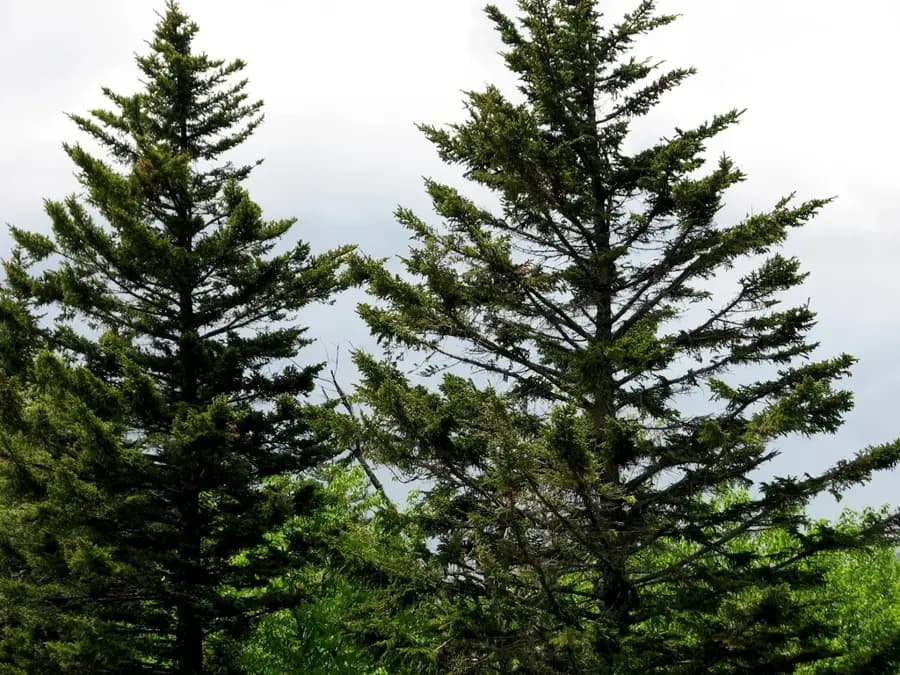
1 register record
Follow a direction without rushing. Bring a worthwhile aspiration back to a grounded next step.
Practice with Spruce →Find this species in West Virginia →bobistraveling · CC BY 2.0 · Photo source ↗ · Converted to WebP
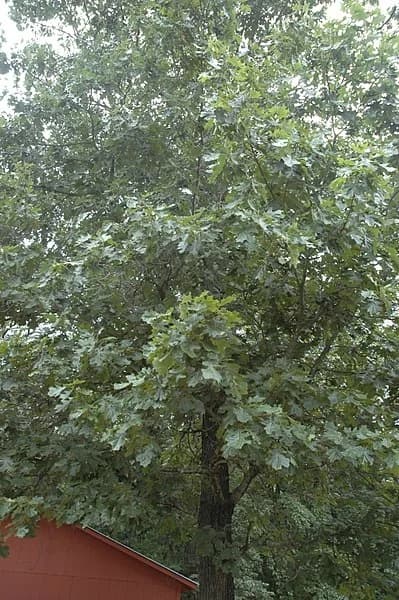
1 register record
Notice two sides of one leaf. Make room for a fuller view.
Practice with Swamp White Oak →Find this species in West Virginia →Bruce Kirchoff · CC BY-SA 3.0 · Photo source ↗ · Converted to WebP
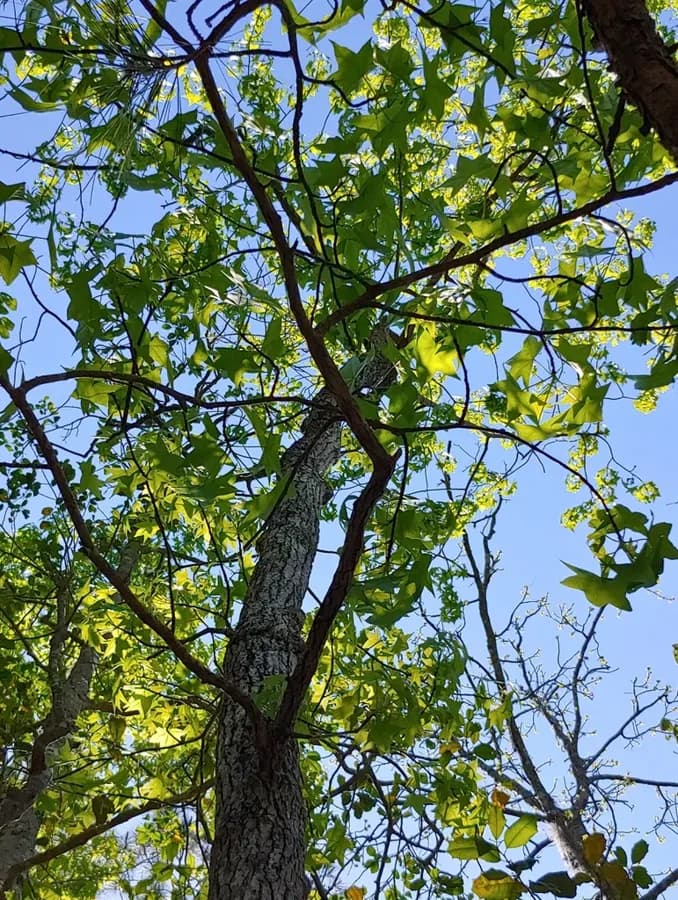
1 register record
Begin with one point. Let a complicated scene become something you can observe.
Practice with Sweetgum →Find this species in West Virginia →skdavidson · CC-BY-SA 2.0 · Photo source ↗ · Converted to WebP
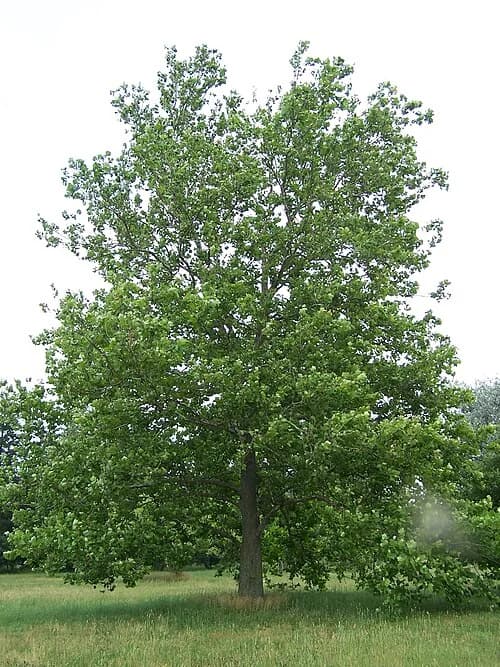
1 register record
Look at the pattern, then widen your view. Notice how a distinctive life belongs to a larger place.
Practice with Sycamore →Find this species in West Virginia →Bruce Marlin · CC BY-SA 2.5 · Photo source ↗ · Converted to WebP
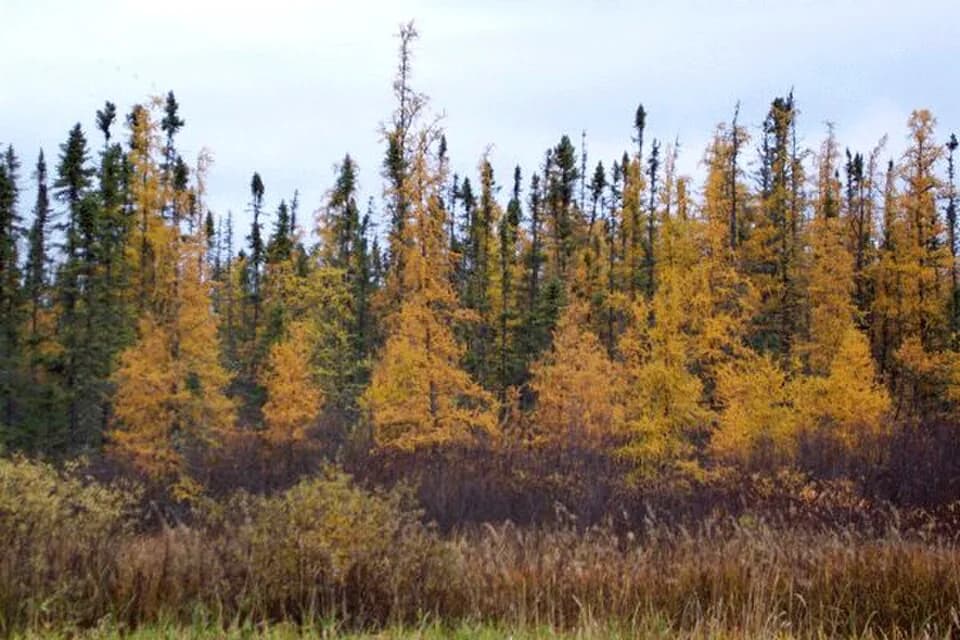
1 register record
Notice what a season asks you to keep and what it asks you to let go. Leave room for another return.
Practice with Tamarack →Find this species in West Virginia →NOAA · Public domain · Photo source ↗ · Converted to WebP
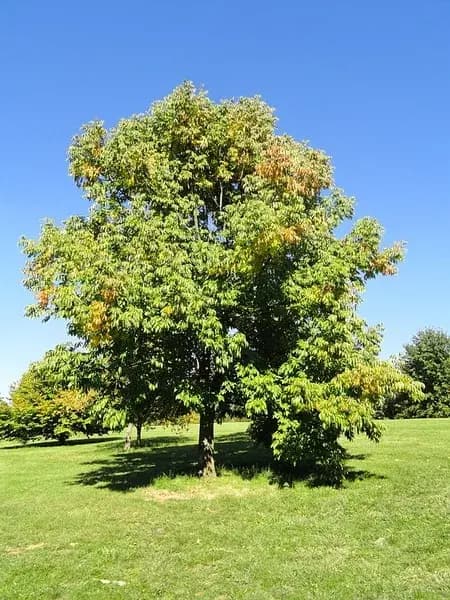
1 register record
Meet the tree as it is today. Let one close observation become a small act of care.
Practice with White Ash →Find this species in West Virginia →Photographer not listed (NC State source) · CC0 · Photo source ↗ · Converted to WebP
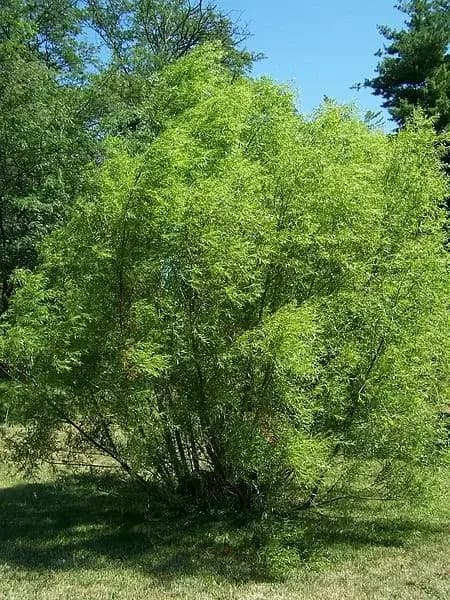
1 register record
Make room for a different response. Explore a softer approach without losing your footing.
Practice with Willow →Find this species in West Virginia →Bruce Marlin · CC BY-SA 2.0 DE · Photo source ↗ · Converted to WebP
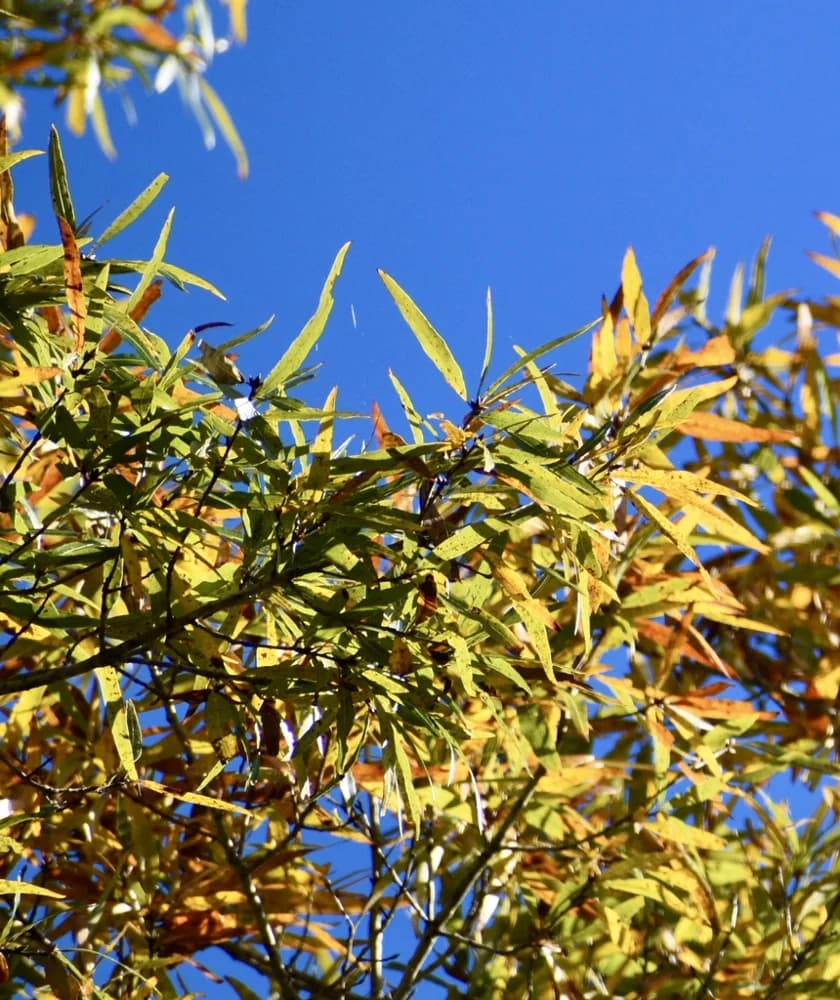
1 register record
Find the oak within the narrow leaf, and let small details widen your view.
Practice with Willow Oak →Find this species in West Virginia →Cathy DeWitt · CC BY 4.0 · Photo source ↗ · Converted to WebP
A place to begin outdoors
We have not published a West Virginia visit guide yet. Start with a tree you can visit with permission nearby, or explore our guides in other states.
.jpg)


_(28773254876).jpg)


