Jackson County
Eastern white pine
Pinus strobus
- Published height
- 180 ft
- Published points
- 340
Date in record: Not listed
Explore this record →Out in the world · North Carolina
Remarkable trees, a place to begin. Explore the register, get to know the species, and bring a little attention outdoors.
The register behind the map
September 2026 edition · retrieved October 7, 2026
346 records are included in this imported selection. 346 have approximate map points; 0 remain searchable without a marker. Multiple trees can share one town or county point.
Register editions, retrieval dates, and individual measurement dates describe different things. This snapshot does not confirm current tree condition. Approximate map points do not locate individual trees or establish permission to visit.
The N.C. Forest Service’s current champion roster, September 2026 edition, posted October 2 and retrieved October 7, 2026. We include 165 champions and 181 entries explicitly marked co-champions, across 237 published botanical categories. Inclusion follows the official roster and labels; scores are not used to override those designations. The program describes a ten-point co-champion rule and is reviewing eligibility and inspecting its champions.
The workbook contains 347 populated tree rows. Green hawthorn Tree ID 727 appears twice with identical measurements, county and access labels; row 40 spells its genus “Carataegus”, while row 101 gives “Crataegus”. We retain row 101 once. IDs 75, 330 and 682 are each assigned to two distinct trees; both records remain with separate map links and source-row references. The sugarberry in row 69 has no Tree ID and remains included with that omission explained.
Names, measurements, points, co-champion labels and access authorizations are preserved. Eight records carry a national champion label; these report the state source’s designation without independent confirmation. One “TBD” national status remains undecided. Measurement dates are absent and are not inferred from the workbook date. Published score discrepancies remain visible in the details.
All 346 trees map to 76 approximate county points from the Census Bureau’s 2025 Gazetteer. The source explicitly marks owner-authorized public access and viewing for 238 records and “No” for 108. Exact locations are withheld for landowner privacy, including for public-access trees. Contact the program for location information and confirm visiting arrangements; county markers do not provide directions.
Full source links on the shared map →A glimpse of the register
These are four of the highest published heights in this imported selection, when available. Measurements come from different dates; this preview creates no new champion or national titles. Open a record for its status, measurement context, and source notes.
Jackson County
Pinus strobus
Date in record: Not listed
Explore this record →Macon County
Tsuga canadensis
Date in record: Not listed
Explore this record →Northampton County
Quercus pagoda
Date in record: Not listed
Explore this record →Jackson County
Carya cordiformis
Date in record: Not listed
Explore this record →From a record to a relationship
These Library species appear in North Carolina’s imported register. Explore identification, seasonal observations, and a practice beside a tree. Photographs are species references taken elsewhere. Matches use scientific names without regard to capitalization; botanical synonyms remain separate.
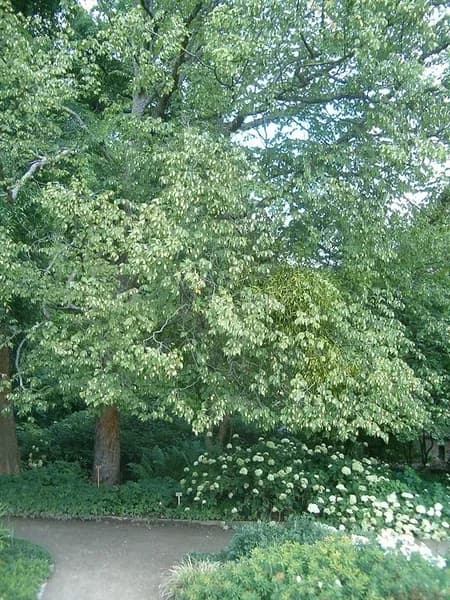
4 register records
Notice a small tree's presence. Find a pace you can return to.
Practice with American Hophornbeam →Find this species in North Carolina →BotBln · CC BY-SA 3.0 · Photo source ↗ · Converted to WebP
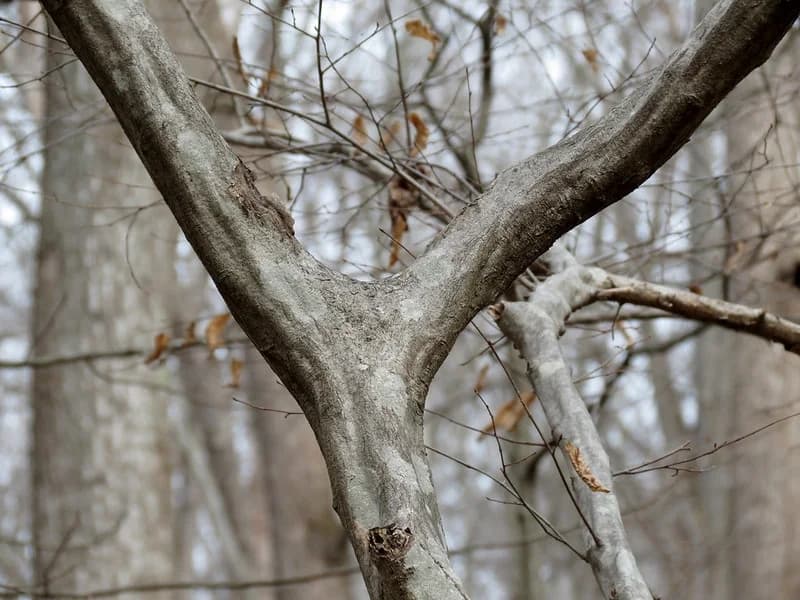
4 register records
Follow one curve. Notice the support that lets you soften your effort.
Practice with American Hornbeam →Find this species in North Carolina →Katja Schulz · CC BY 2.0 · Photo source ↗ · Converted to WebP
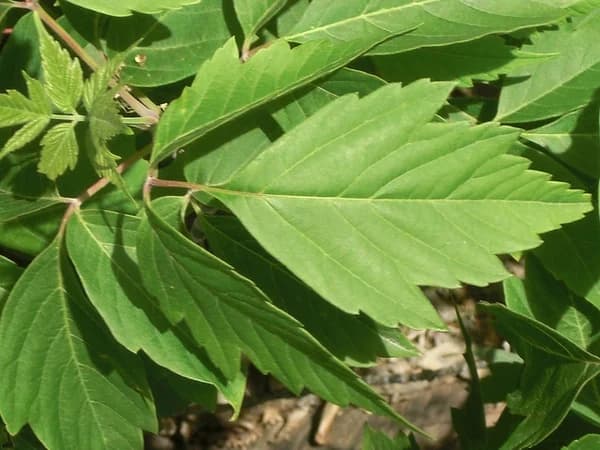
3 register records
Look again at something familiar. Let a different form widen your understanding.
Practice with Boxelder →Find this species in North Carolina →Andrey Zharkikh · CC BY 2.0 · Photo source ↗ · Converted to WebP
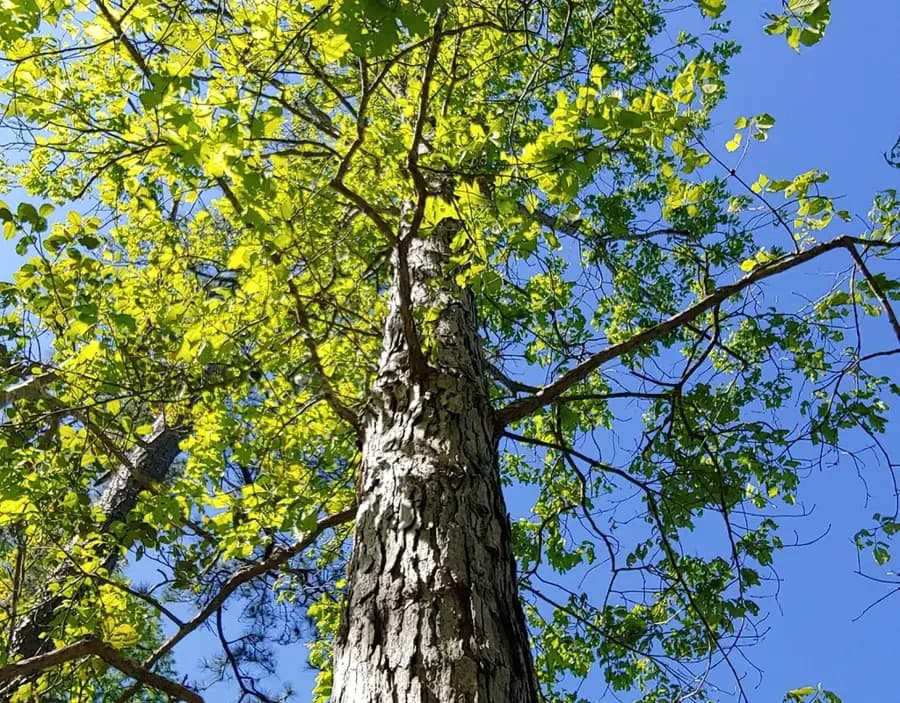
3 register records
Give growth time. Find a steady place from which you can respond to change.
Practice with Oak →Find this species in North Carolina →skdavidson · CC-BY-SA 2.0 · Photo source ↗ · Converted to WebP
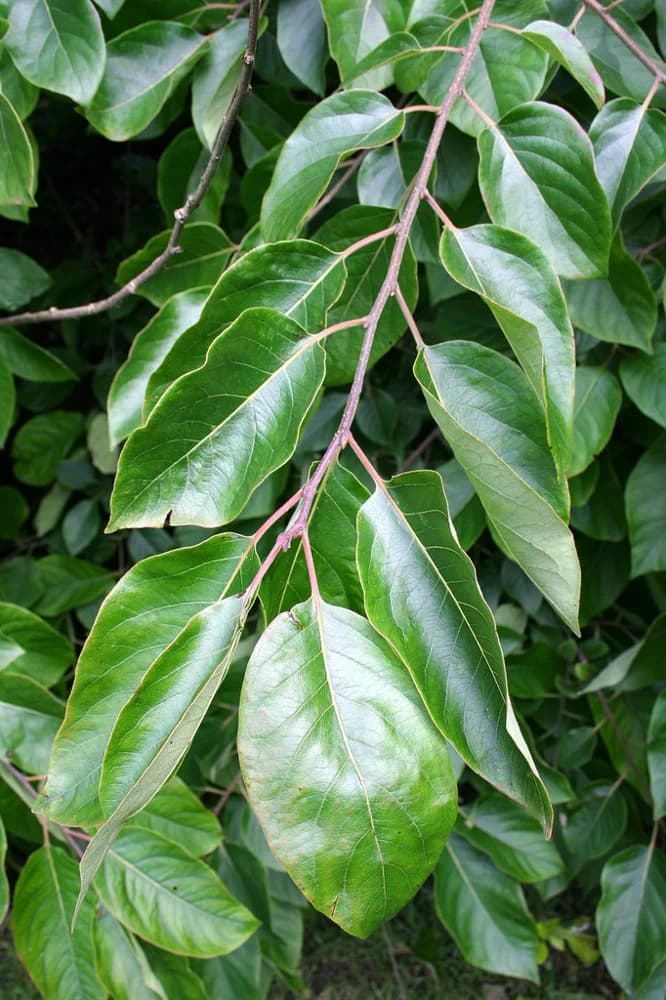
2 register records
Allow readiness to arrive in its own time.
Practice with American Persimmon →Find this species in North Carolina →Jean-Pol GRANDMONT · CC BY 3.0 · Photo source ↗ · Converted to WebP
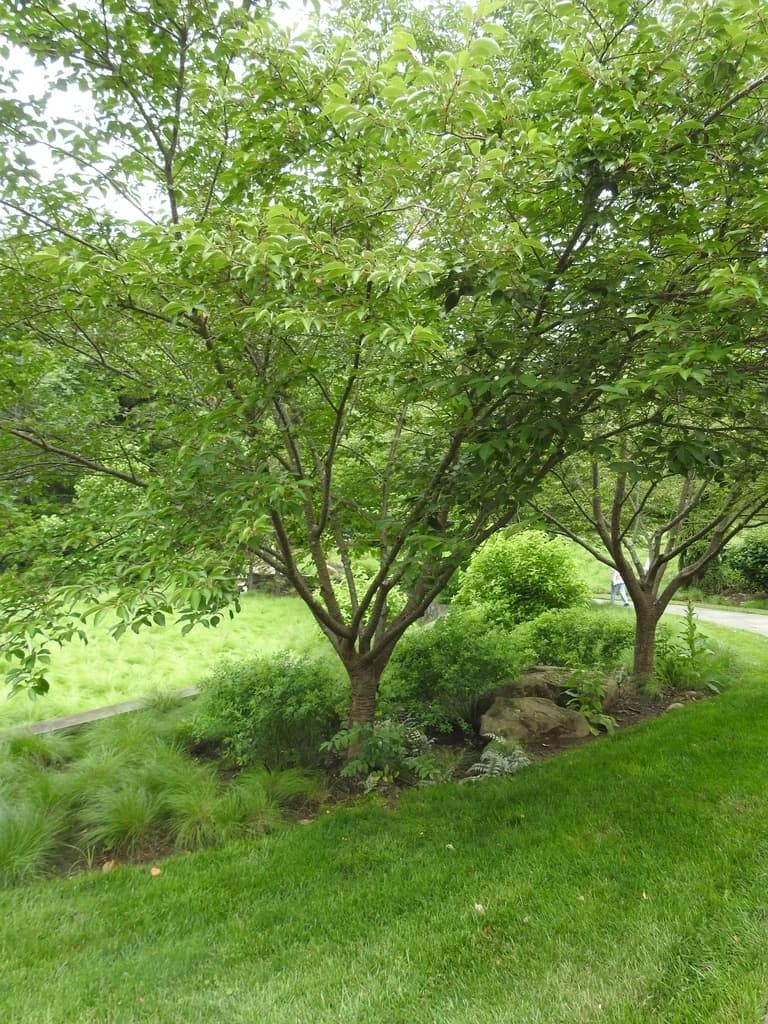
2 register records
Notice the life around one tree. Let your attention make room for another presence.
Practice with Black Cherry →Find this species in North Carolina →Kathleen Moore · CC BY 2.0 · Photo source ↗ · Converted to WebP
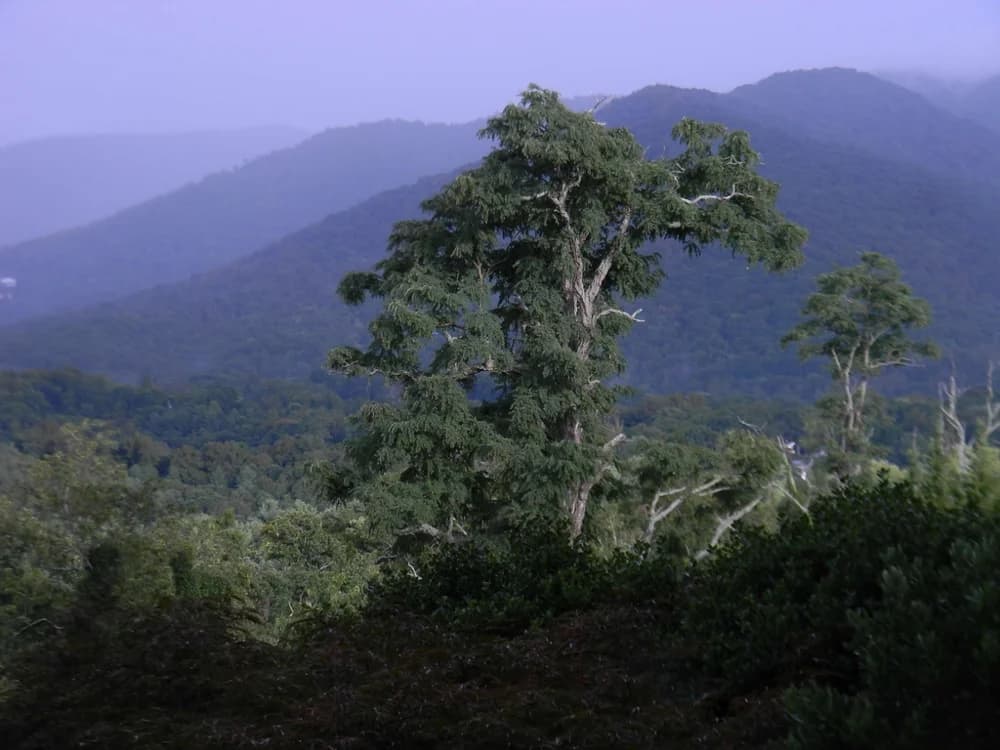
2 register records
Recognize persistence. Choose carefully where to direct it.
Practice with Black Locust →Find this species in North Carolina →Randy Harter · CC BY 4.0 · Photo source ↗ · Converted to WebP
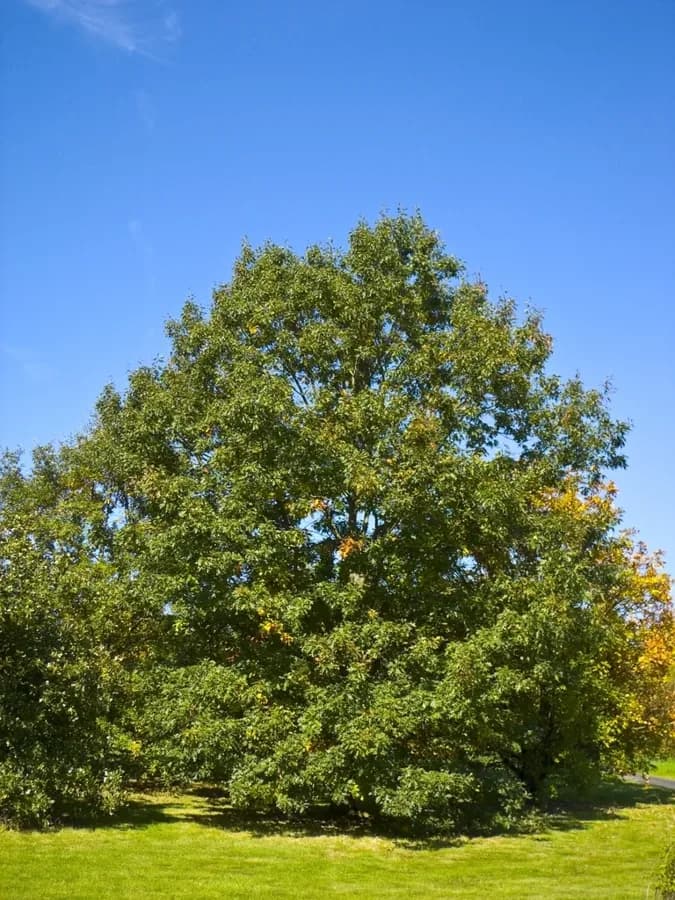
2 register records
Look carefully before naming. Let a clear intention have time to develop.
Practice with Black Oak →Find this species in North Carolina →Willow · CC BY-SA 3.0 · Photo source ↗ · Converted to WebP
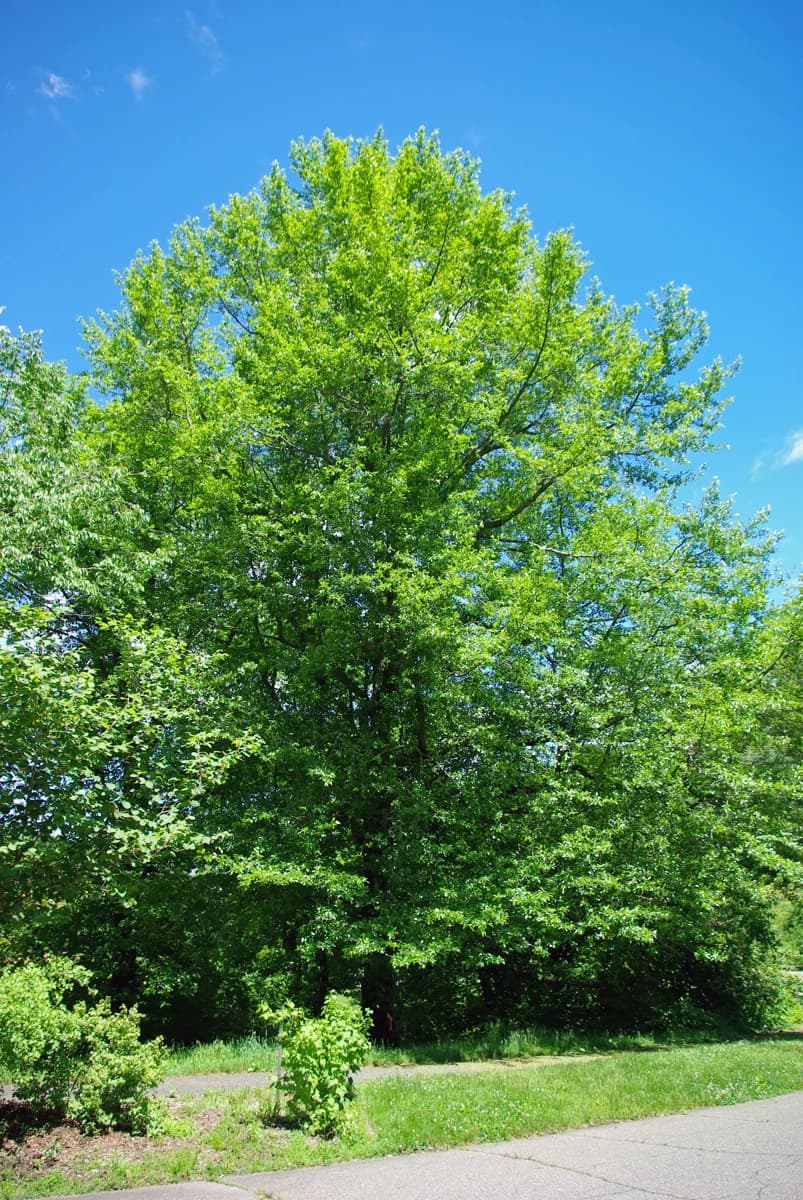
2 register records
Stay with what is here. Let an ordinary detail earn your attention.
Practice with Blackgum →Find this species in North Carolina →Bostonian13 · CC BY-SA 3.0 · Photo source ↗ · Converted to WebP
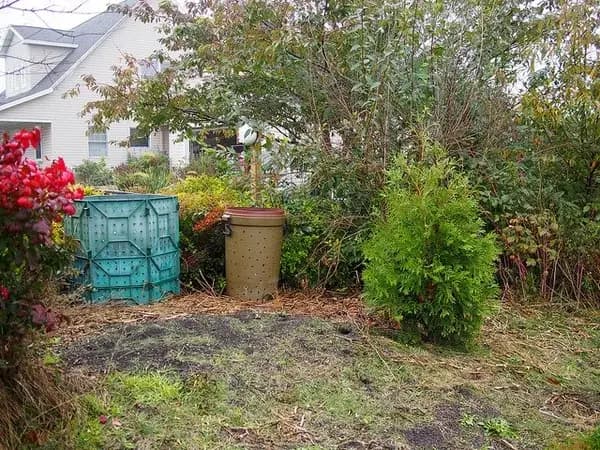
2 register records
Notice what supports a life. Reflect on belonging through the care you receive and offer.
Practice with Cedar →Find this species in North Carolina →F.D. Richards · CC-BY-SA 2.0 · Photo source ↗ · Converted to WebP
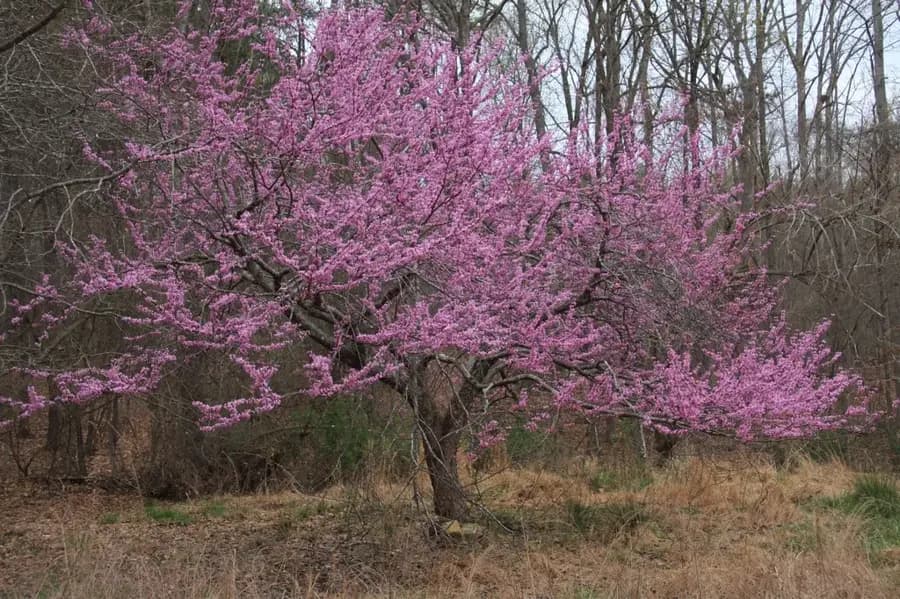
2 register records
Look for one seasonal detail. Give an emerging possibility your attention.
Practice with Eastern Redbud →Find this species in North Carolina →Dcrjsr · CC BY 3.0 · Photo source ↗ · Converted to WebP
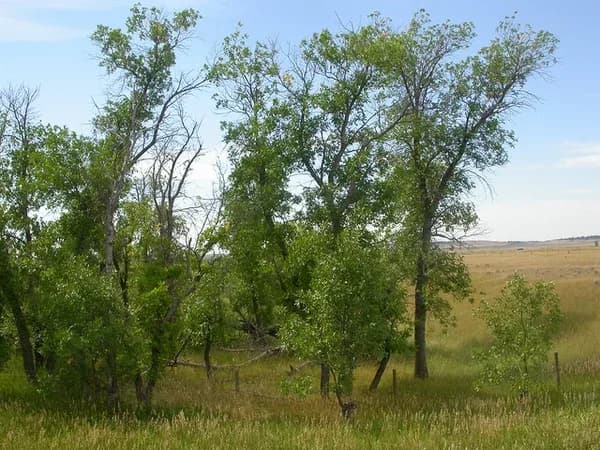
2 register records
Notice the present conditions. Find one adjustment that helps you continue.
Practice with Green Ash →Find this species in North Carolina →Matt Lavin · CC-BY-SA 2.0 · Photo source ↗ · Converted to WebP
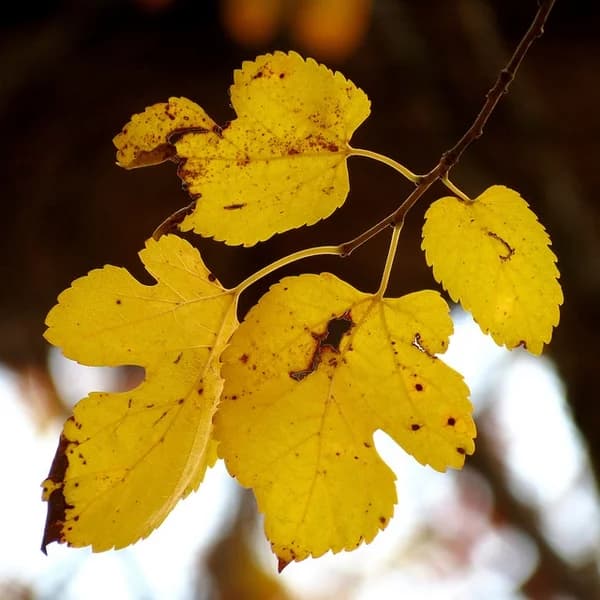
2 register records
Notice what is offered, and what you can give in return.
Practice with Red Mulberry →Find this species in North Carolina →Katja Schultz · CC BY 2.0 · Photo source ↗ · Converted to WebP
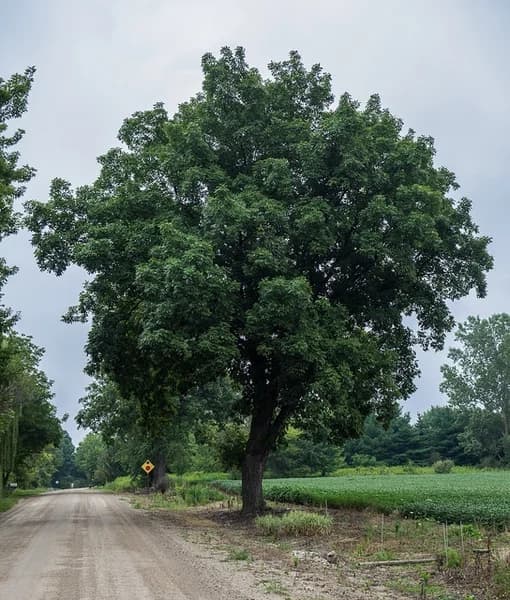
2 register records
Let the layers hold your attention. Give something worthwhile time to develop.
Practice with Shagbark Hickory →Find this species in North Carolina →F. D. Richards · CC-BY-SA 2.0 · Photo source ↗ · Converted to WebP
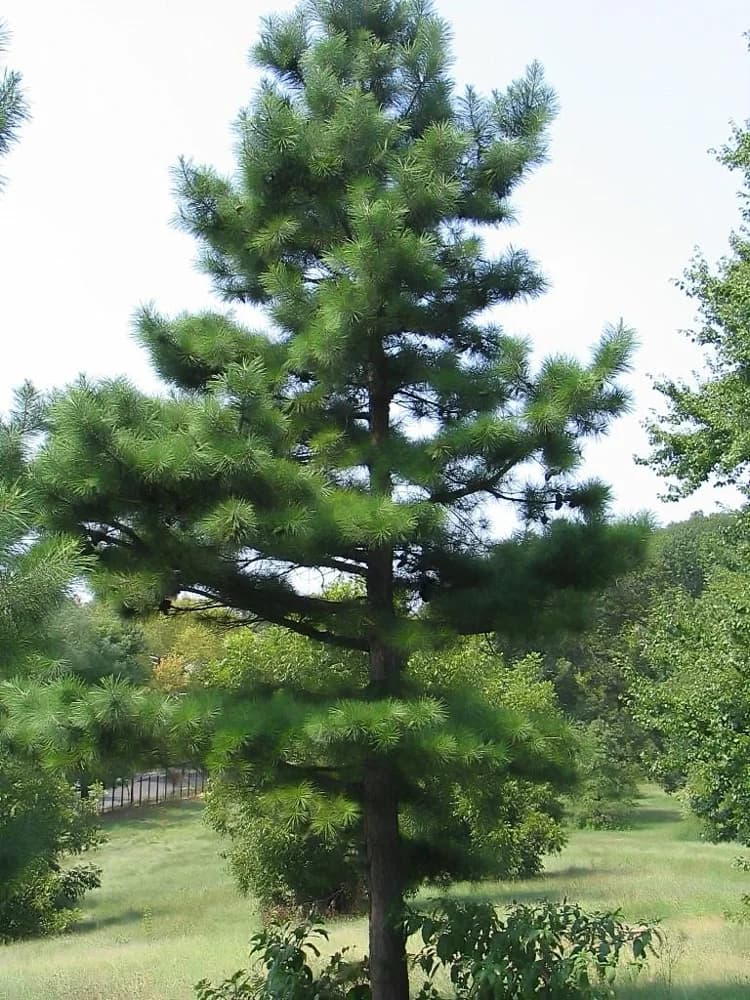
2 register records
Look through an evergreen crown and notice change within continuity.
Practice with Shortleaf Pine →Find this species in North Carolina →David J. Stang · CC BY-SA 4.0 · Photo source ↗ · Converted to WebP
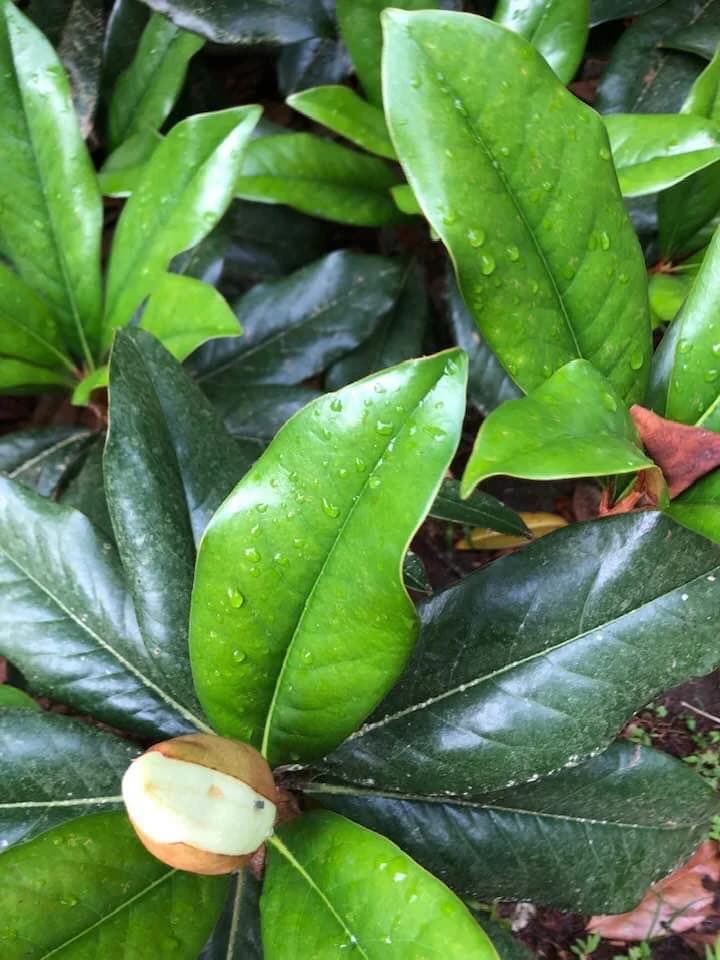
2 register records
Meet one generous detail without needing to take it home.
Practice with Southern Magnolia →Find this species in North Carolina →Cathy Dewitt · CC BY 4.0 · Photo source ↗ · Converted to WebP
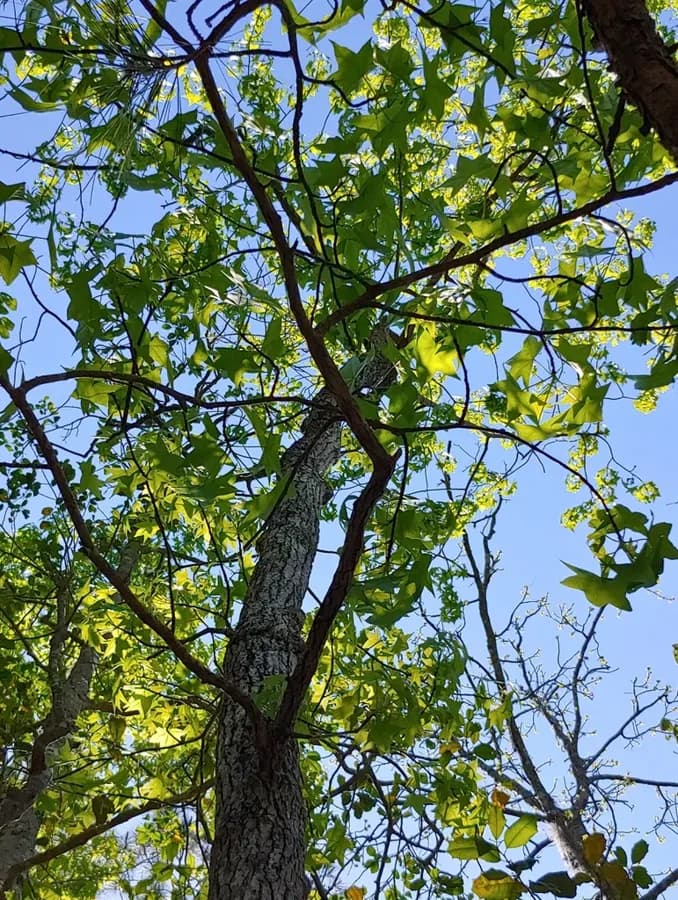
2 register records
Begin with one point. Let a complicated scene become something you can observe.
Practice with Sweetgum →Find this species in North Carolina →skdavidson · CC-BY-SA 2.0 · Photo source ↗ · Converted to WebP
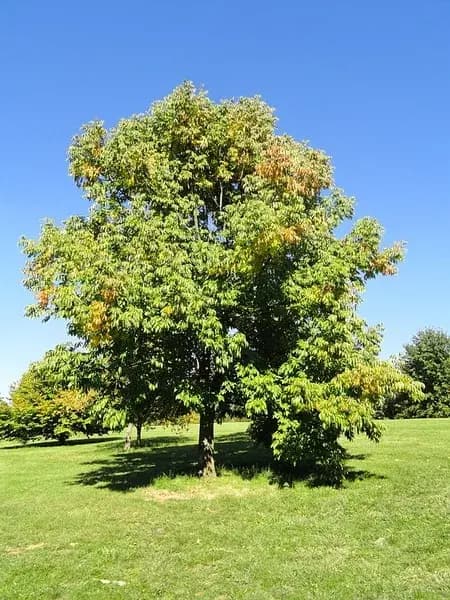
2 register records
Meet the tree as it is today. Let one close observation become a small act of care.
Practice with White Ash →Find this species in North Carolina →Photographer not listed (NC State source) · CC0 · Photo source ↗ · Converted to WebP
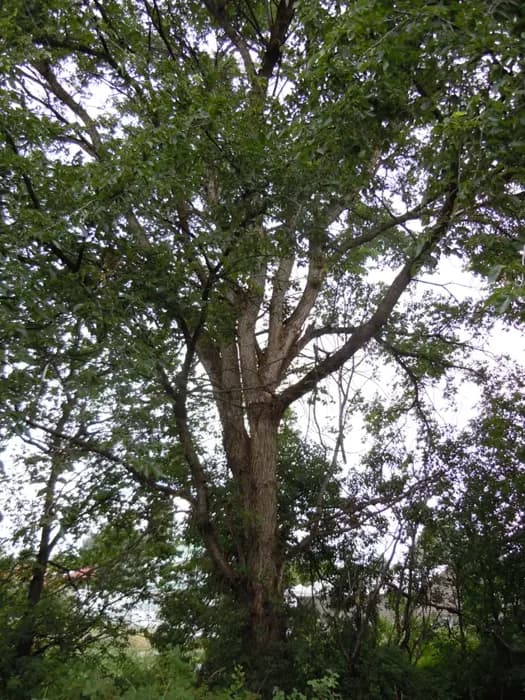
1 register record
Begin with one branch. Let your attention widen to include the life around it.
Practice with American Elm →Find this species in North Carolina →Matt Lavin from Bozeman, Montana, USA · CC BY-SA 2.0 · Photo source ↗ · Converted to WebP
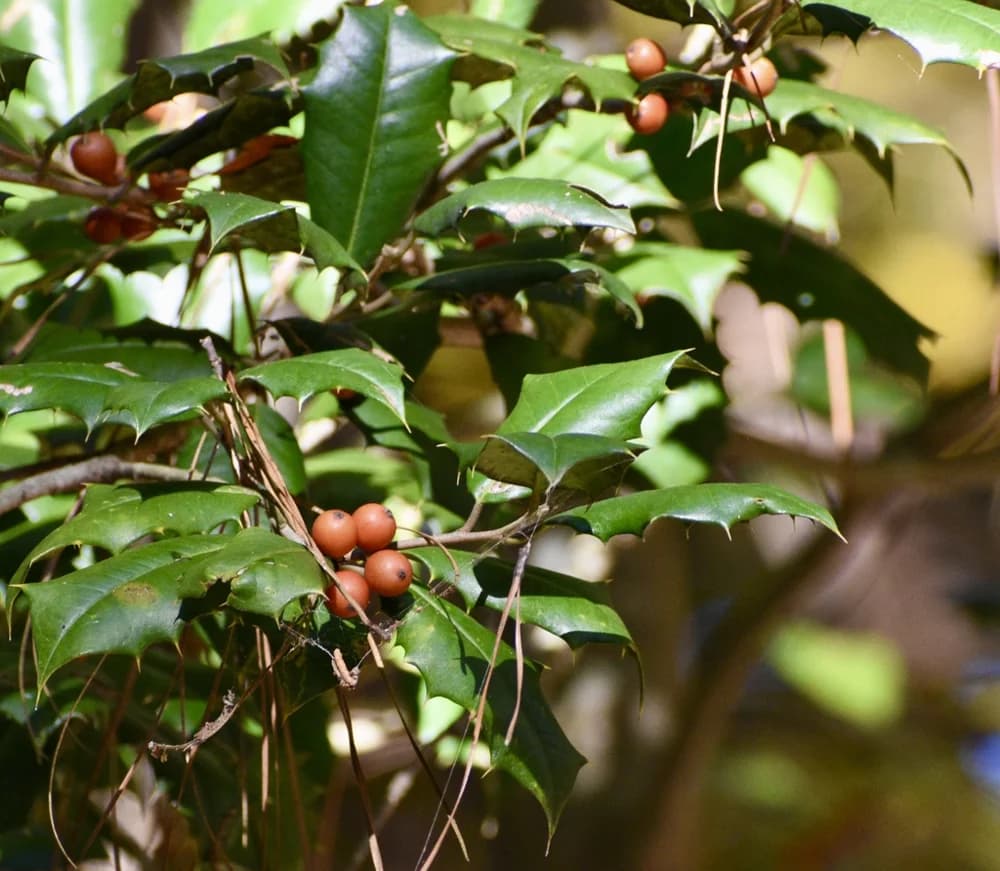
1 register record
Make room for shelter and a boundary that supports it.
Practice with American Holly →Find this species in North Carolina →Cathy DeWitt · CC BY 4.0 · Photo source ↗ · Converted to WebP
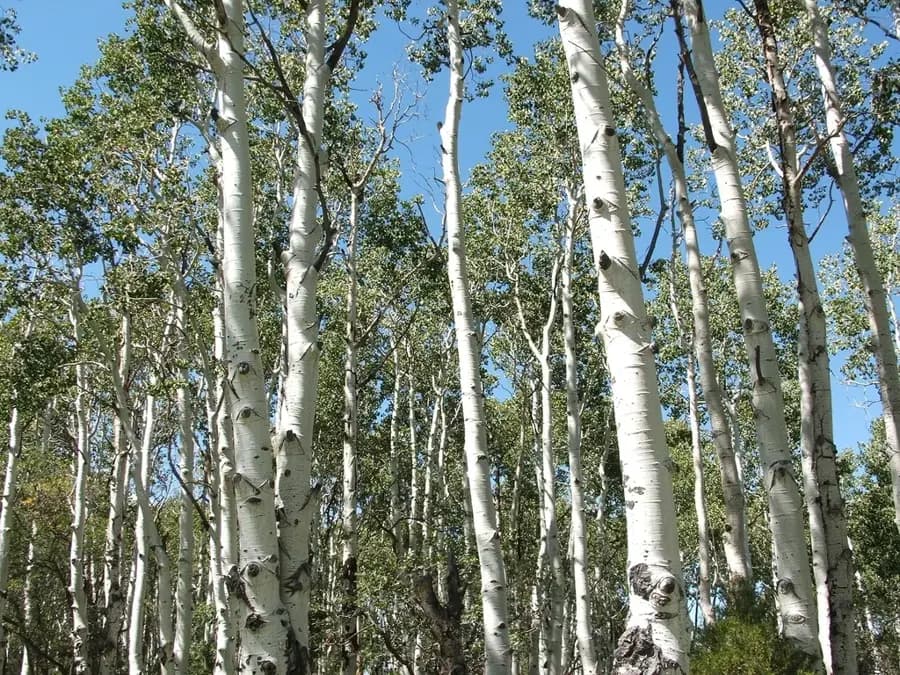
1 register record
Watch what moves. Notice how you respond, with curiosity and room to choose.
Practice with Aspen →Find this species in North Carolina →Tewy · CC BY 3.0 · Photo source ↗ · Converted to WebP
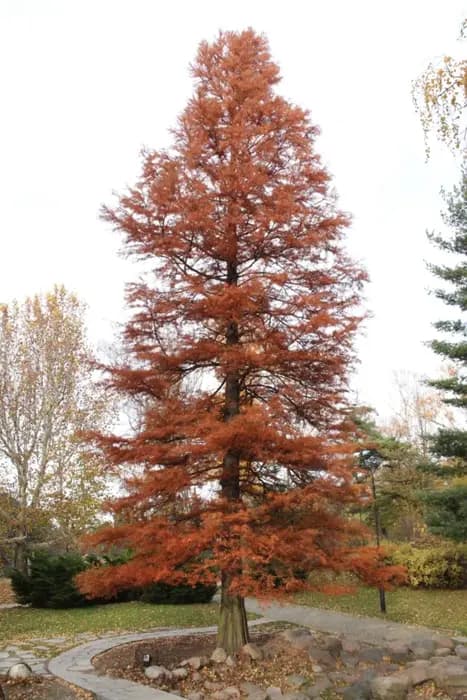
1 register record
Notice a steady form and a changing detail. Practice returning without holding the scene still.
Practice with Bald Cypress →Find this species in North Carolina →Crusier · CC BY-SA 3.0 · Photo source ↗ · Converted to WebP
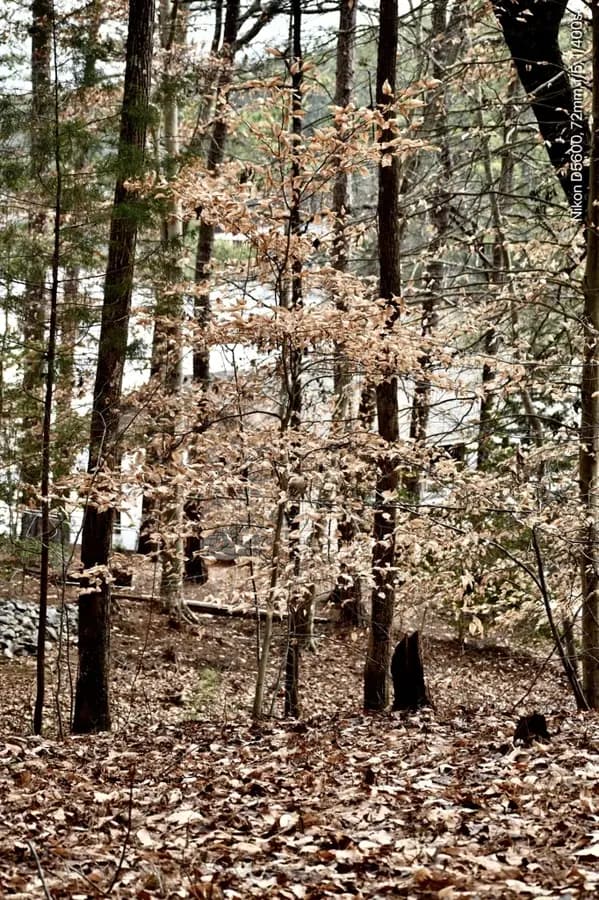
1 register record
Stay with the ordinary detail. Let a few minutes of looking be enough.
Practice with Beech →Find this species in North Carolina →Cathy Dewitt · CC BY 4.0 · Photo source ↗ · Converted to WebP
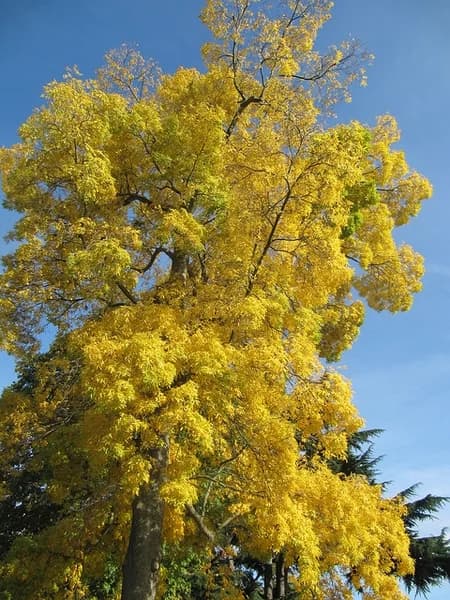
1 register record
Look closely before deciding. Let understanding grow at its own pace.
Practice with Bitternut Hickory →Find this species in North Carolina →Leonora Enking · CC-BY-SA 2.0 · Photo source ↗ · Converted to WebP
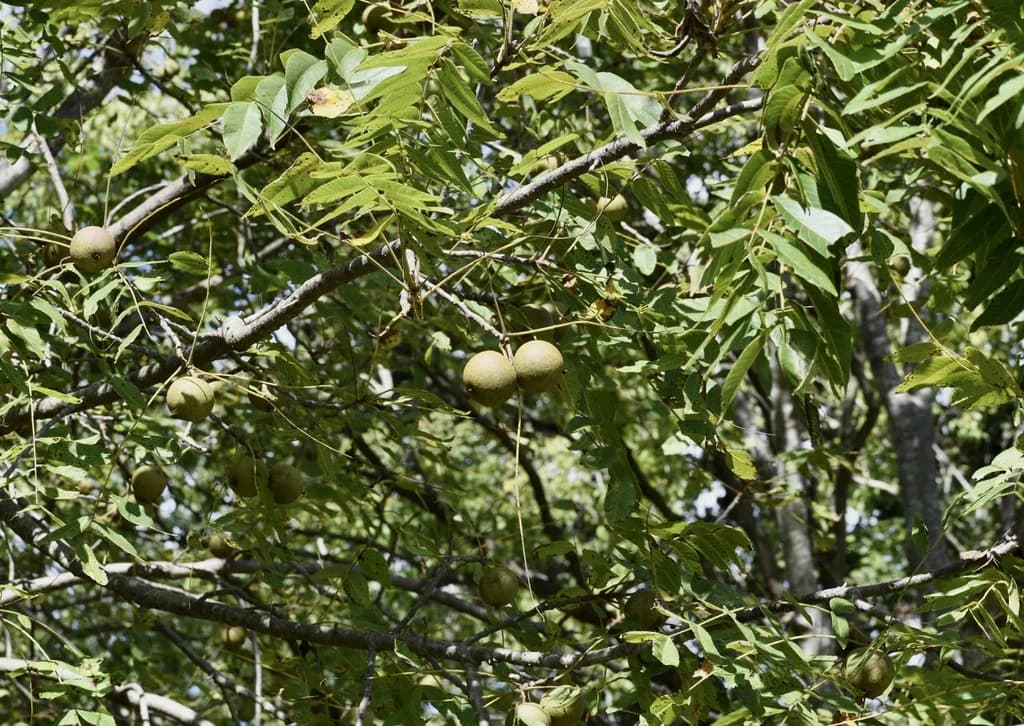
1 register record
Look beyond today's result. Choose something worth tending over time.
Practice with Black Walnut →Find this species in North Carolina →Cathy Dewitt · CC BY 4.0 · Photo source ↗ · Converted to WebP
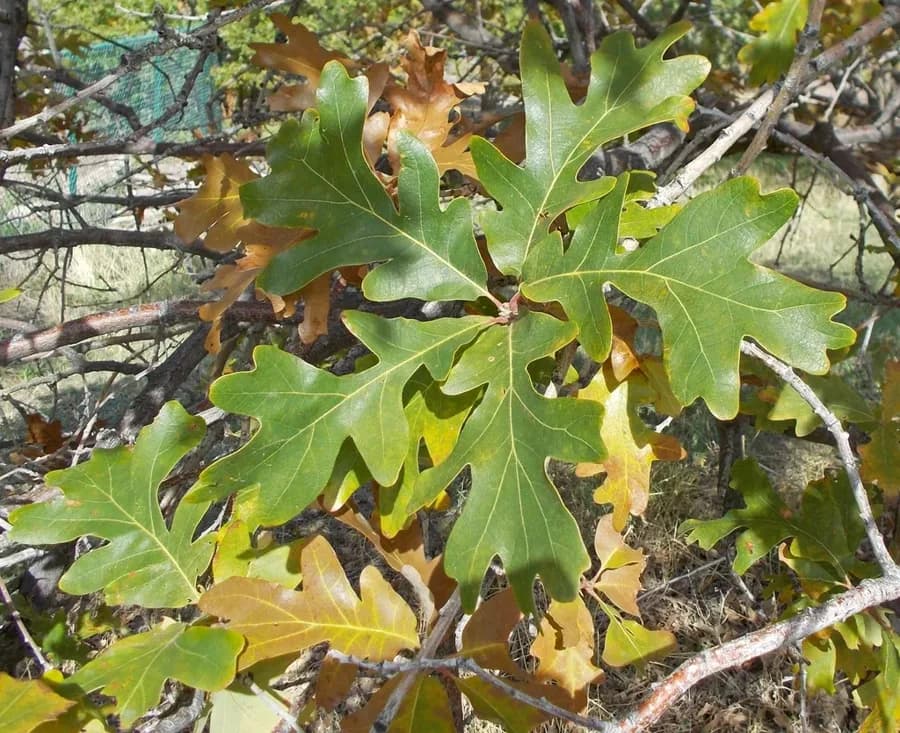
1 register record
Take in a wider view. Make room for an effort you can sustain.
Practice with Bur Oak →Find this species in North Carolina →Andrey Zharkikh · CC BY 2.0 · Photo source ↗ · Converted to WebP
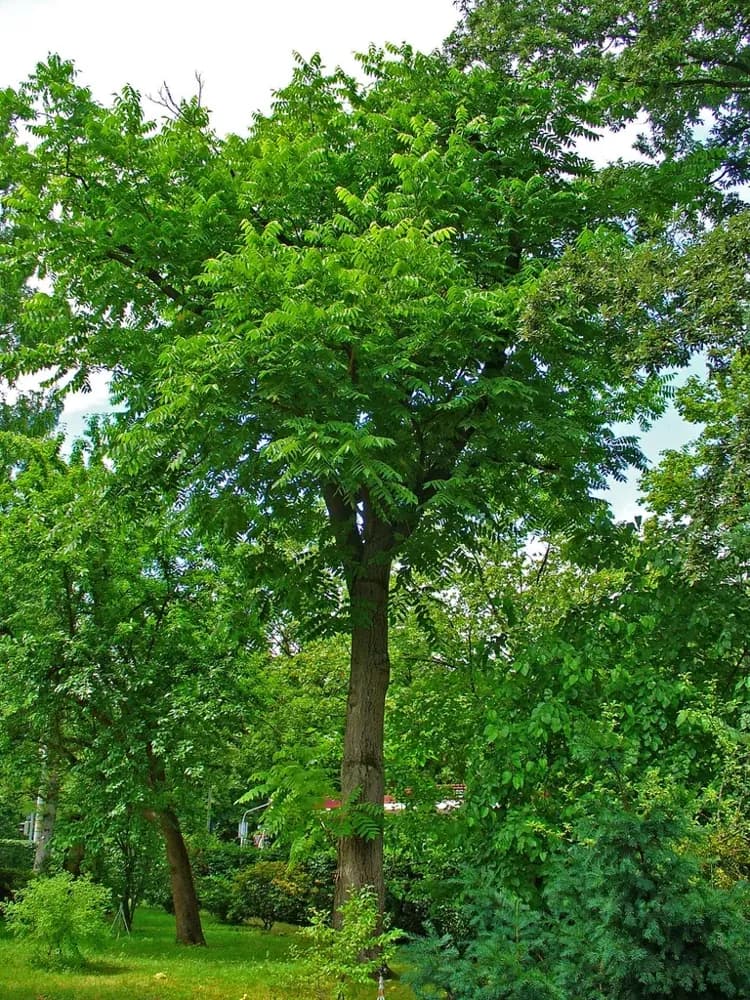
1 register record
Notice one living neighbor. Let appreciation lead to one informed act of care.
Practice with Butternut →Find this species in North Carolina →H. Zell · CC BY-SA 3.0 · Photo source ↗ · Converted to WebP
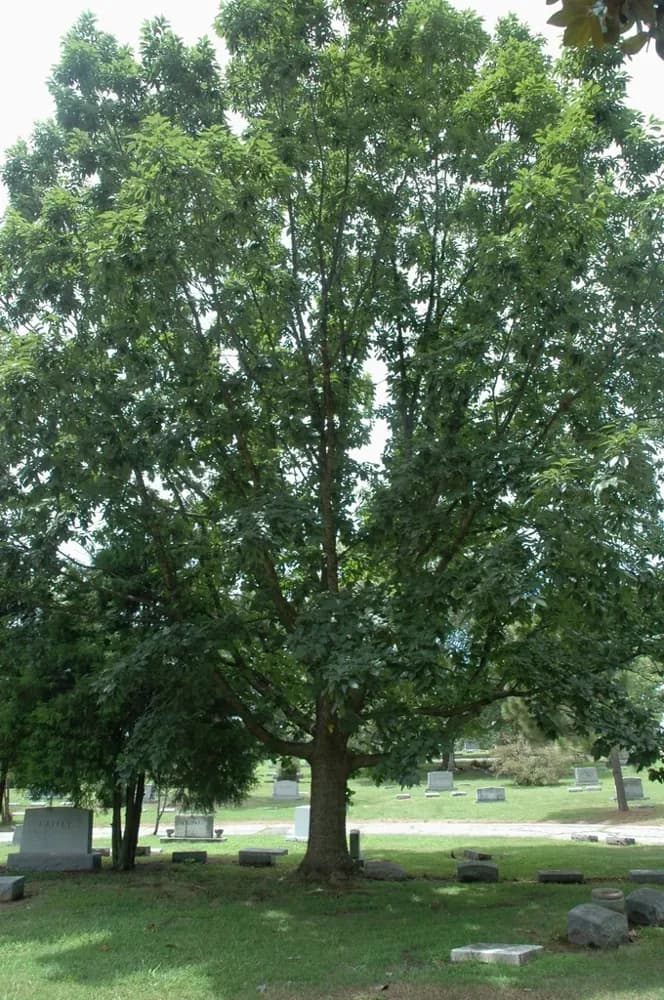
1 register record
Look twice. Give one small detail enough attention to change your first impression.
Practice with Chinkapin Oak →Find this species in North Carolina →Bruce Kirchoff · CC BY 2.0 · Photo source ↗ · Converted to WebP
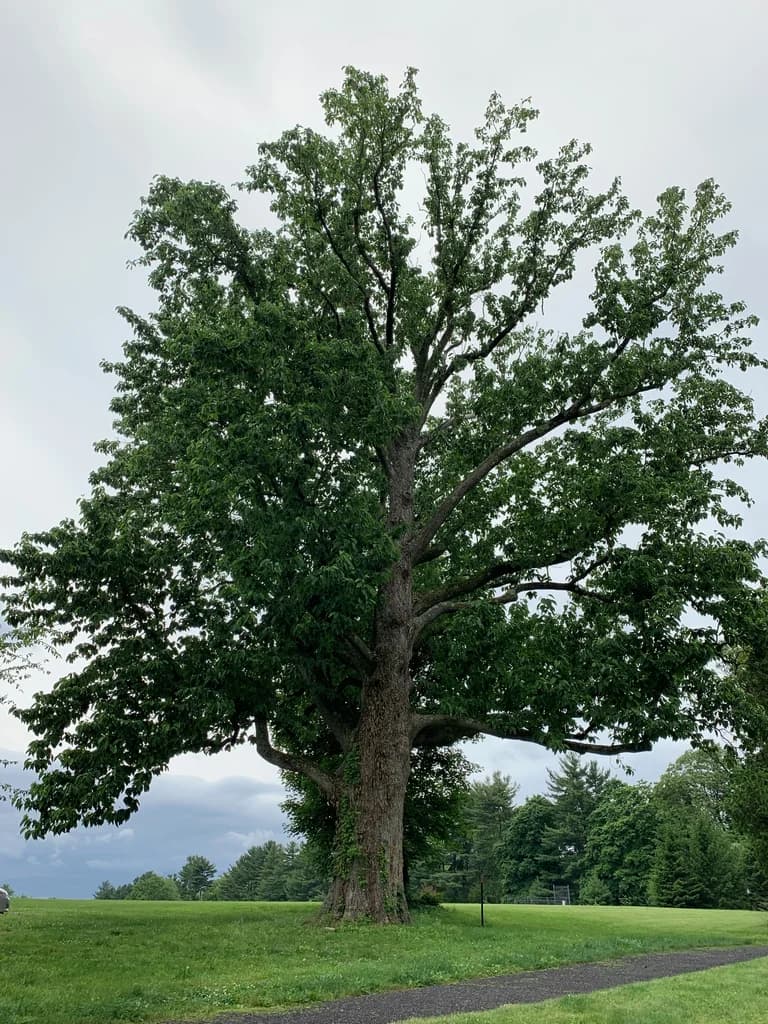
1 register record
Look for what is easy to miss. Let a quiet detail be enough.
Practice with Cucumber Magnolia →Find this species in North Carolina →KATHERINE WAGNER-REISS · CC BY-SA 4.0 · Photo source ↗ · Converted to WebP
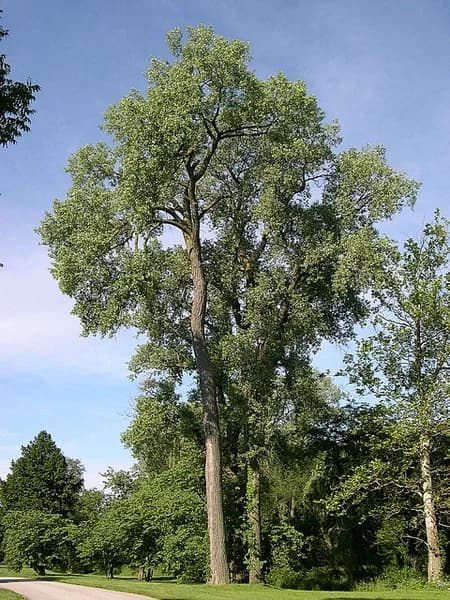
1 register record
Watch what moves. Notice what remains beneath it.
Practice with Eastern Cottonwood →Find this species in North Carolina →Jay Sturner · CC BY 2.0 · Photo source ↗ · Converted to WebP
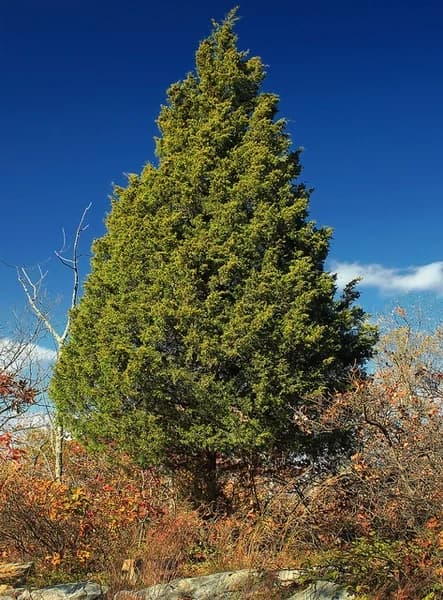
1 register record
Find a steady point within the shelter of a changing day.
Practice with Eastern Redcedar →Find this species in North Carolina →Nicholas A. Tonelli · CC BY 2.0 · Photo source ↗ · Converted to WebP
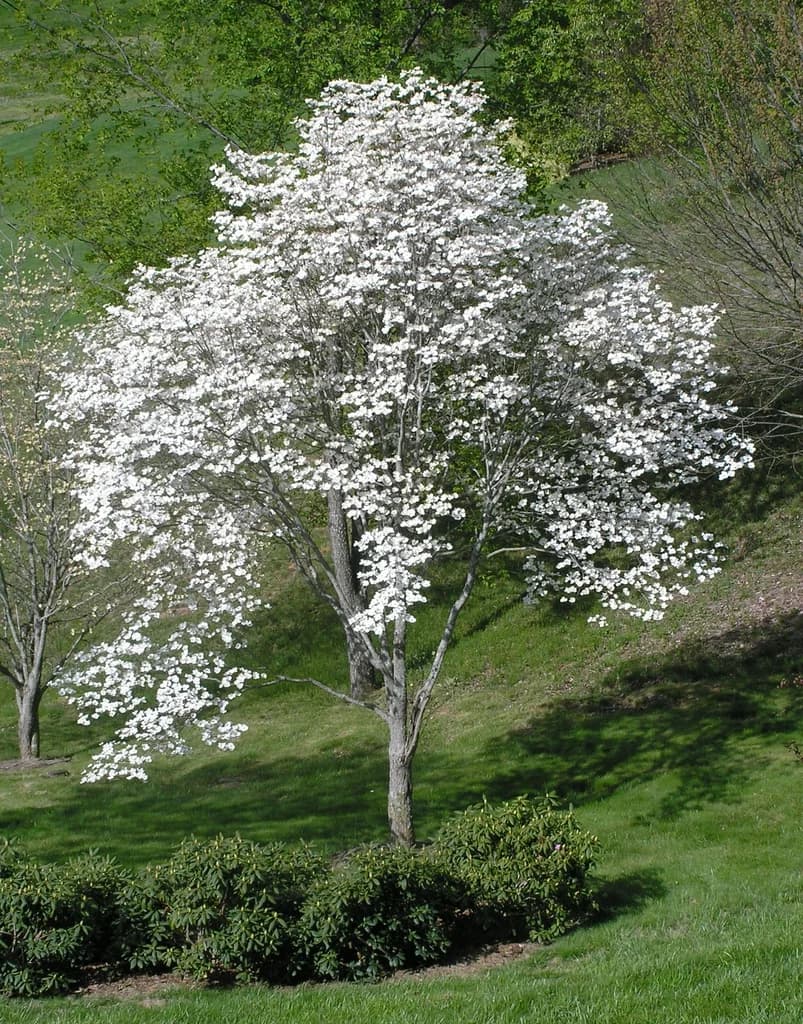
1 register record
Notice the small center within a familiar display.
Practice with Flowering Dogwood →Find this species in North Carolina →Jim Janke · CC BY 4.0 · Photo source ↗ · Converted to WebP
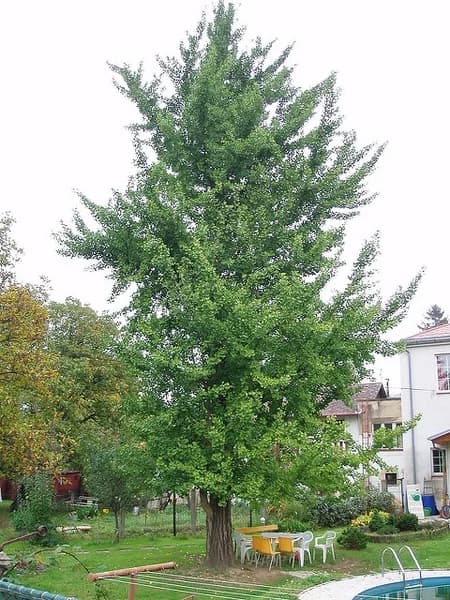
1 register record
Meet this moment within a longer story.
Practice with Ginkgo →Find this species in North Carolina →Ginkgo CZ · CC BY 2.0 · Photo source ↗ · Converted to WebP
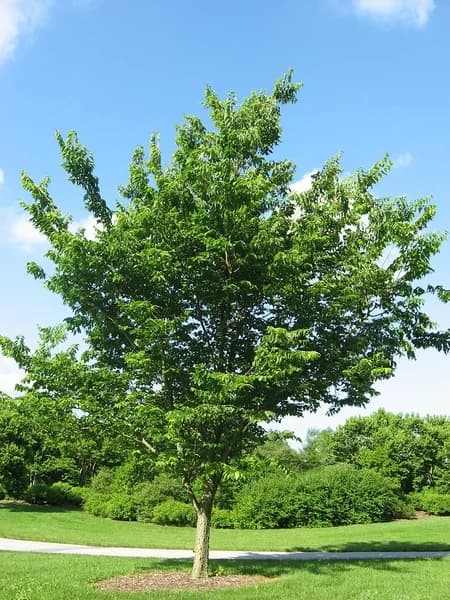
1 register record
Notice texture and the life around it. Find one ordinary way to care.
Practice with Hackberry →Find this species in North Carolina →Not named by source · CC0 · Photo source ↗ · Converted to WebP
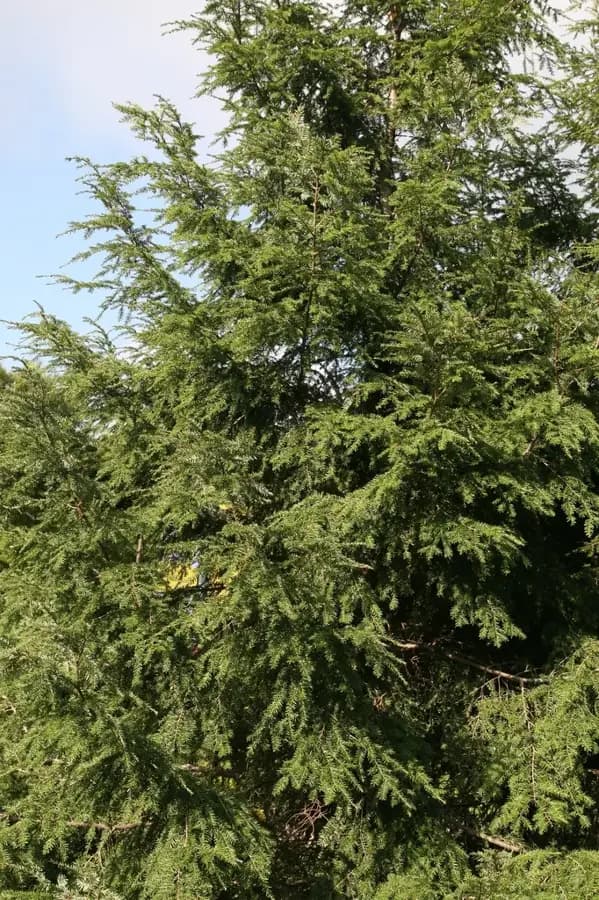
1 register record
Listen beneath the branches. Make room for nearby sounds and your own response.
Practice with Hemlock →Find this species in North Carolina →David J. Stang · CC BY-SA 4.0 · Photo source ↗ · Converted to WebP
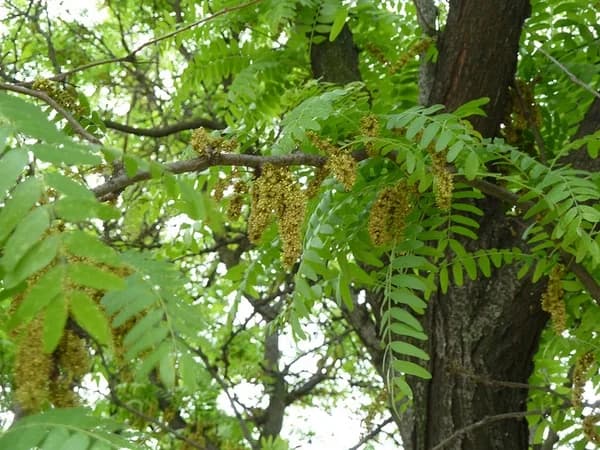
1 register record
Let light and space guide a considered next step.
Practice with Honeylocust →Find this species in North Carolina →Wendy Cutler · CC BY 2.0 · Photo source ↗ · Converted to WebP
1 register record
Notice the space between branches. Give an unfinished thing time to unfold.
Practice with Kentucky Coffeetree →Find this species in North Carolina →Leonora (Ellie) Enking · CC BY-SA 2.0 · Photo source ↗ · Converted to WebP
1 register record
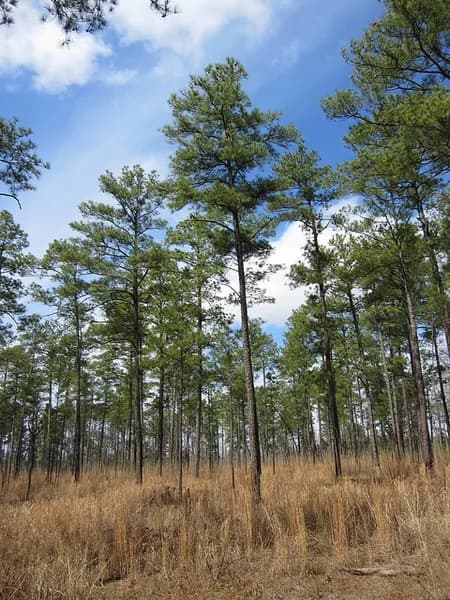
Notice growth from a steady place.
Practice with Loblolly Pine →Find this species in North Carolina →Chris M. Morris · CC BY 2.0 · Photo source ↗ · Converted to WebP
1 register record
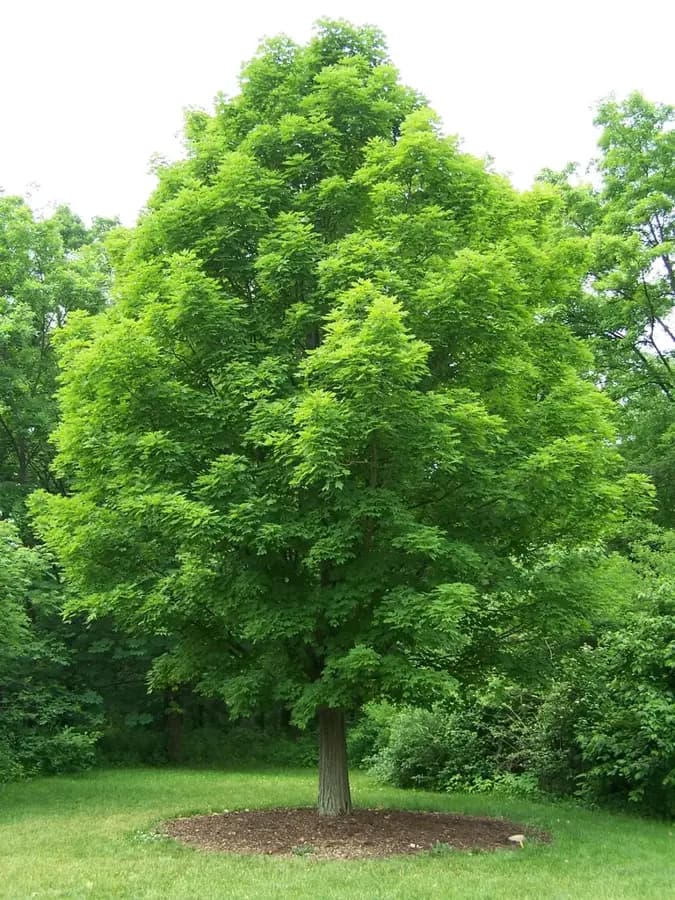
Notice the season you are in. Explore what you offer, receive, and allow to change.
Practice with Maple →Find this species in North Carolina →Bruce Marlin · CC BY-SA 2.5 · Photo source ↗ · Converted to WebP
1 register record
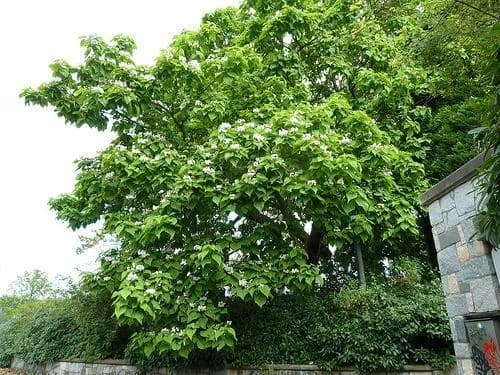
Look at one broad leaf, then let your attention include the space around it.
Practice with Northern Catalpa →Find this species in North Carolina →Wendy Culter · CC BY 2.0 · Photo source ↗ · Converted to WebP
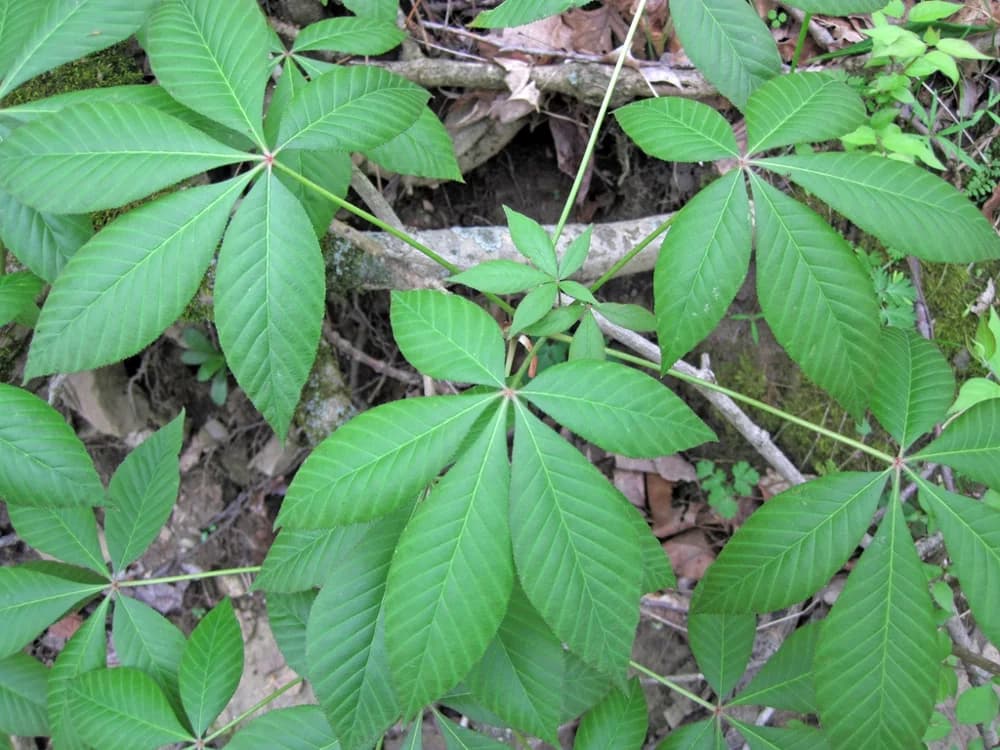
1 register record
Let an open leaf invite a little more room for attention.
Practice with Ohio Buckeye →Find this species in North Carolina →James St. John, Flickr · CC BY 2.0 · Photo source ↗ · Converted to WebP
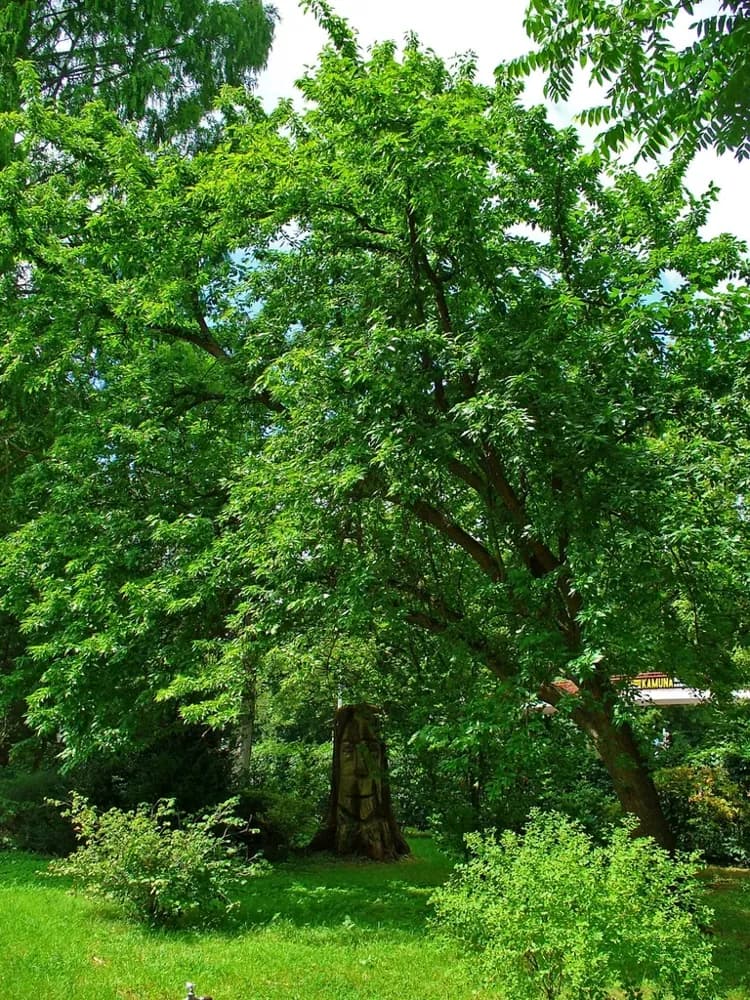
1 register record
Find a comfortable distance. Let a clear boundary make room for care.
Practice with Osage Orange →Find this species in North Carolina →H. Zell · CC BY-SA 3.0 · Photo source ↗ · Converted to WebP
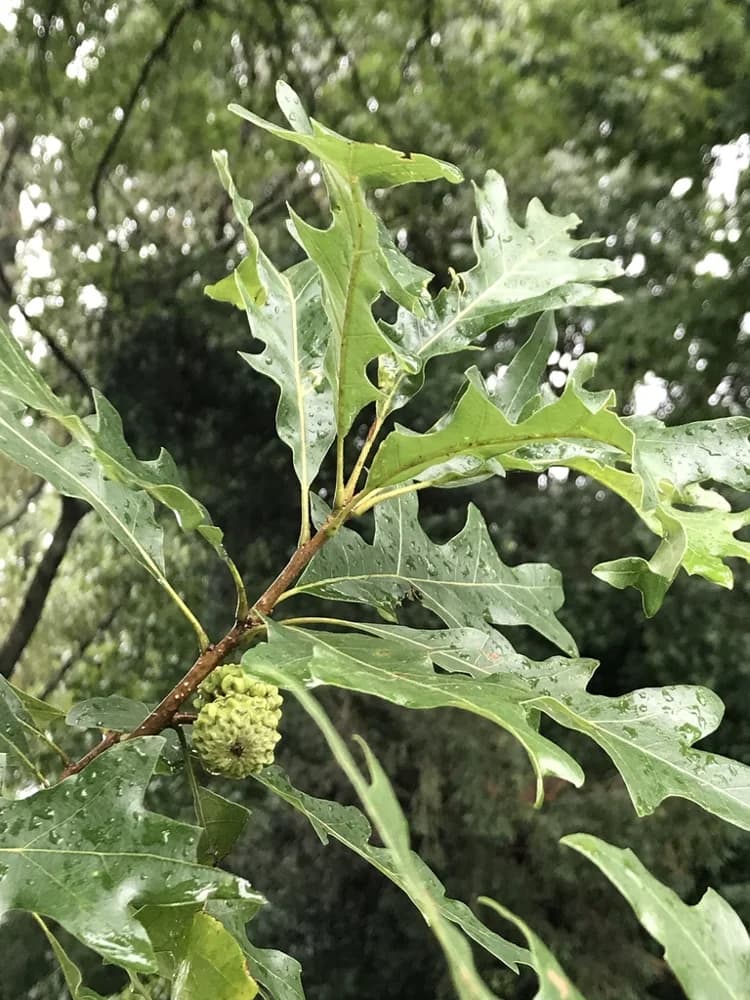
1 register record
Notice what holds and protects, while making room for change.
Practice with Overcup Oak →Find this species in North Carolina →Katherline Wagner-Reiss · CC BY-SA 4.0 · Photo source ↗ · Converted to WebP
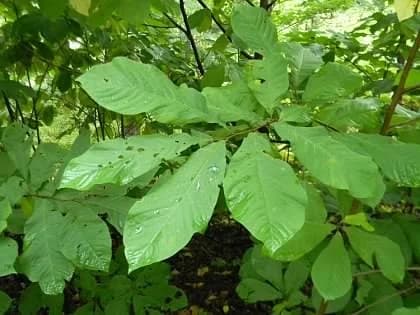
1 register record
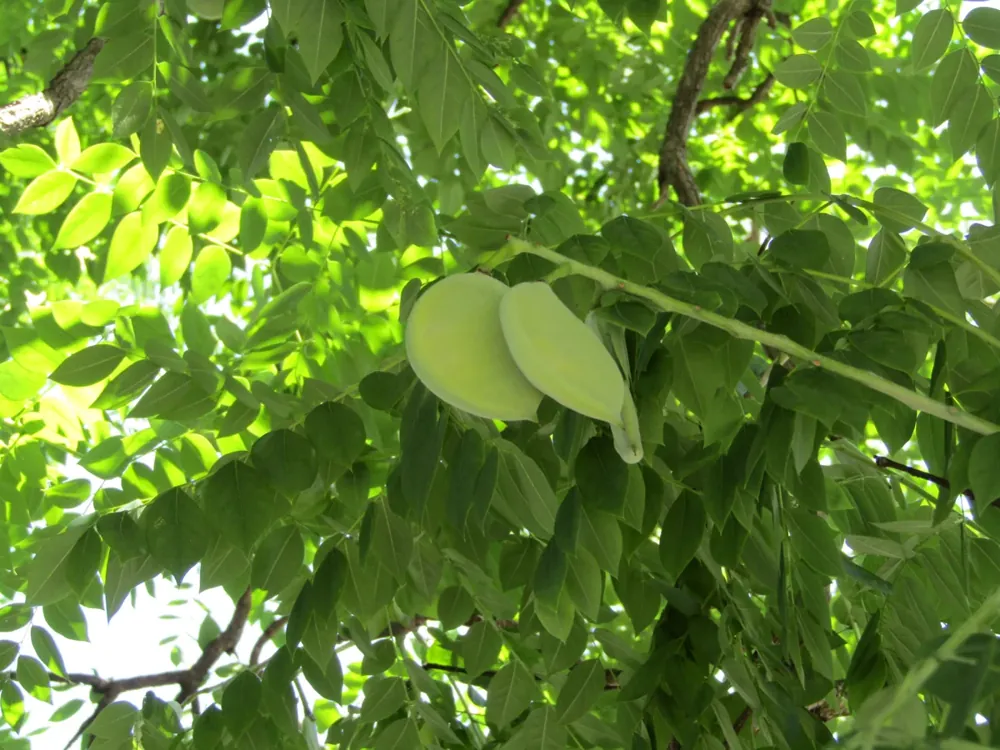
Let one unfamiliar detail become an open question.
Practice with Pawpaw →Find this species in North Carolina →Randy Harter · CC BY 4.0 · Photo source ↗ · Converted to WebP
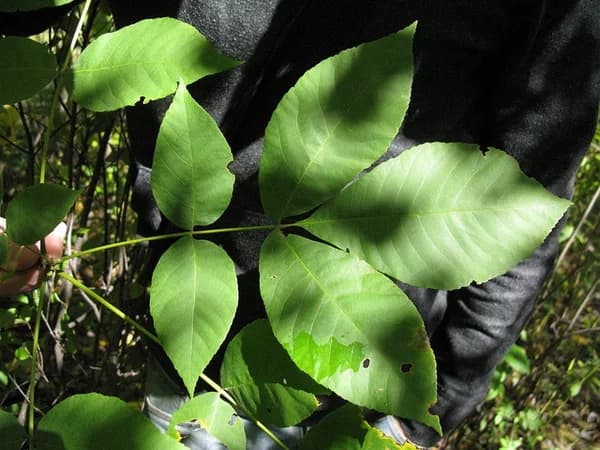
1 register record
Follow a line of leaflets and find a steadier rhythm of attention.
Practice with Pignut Hickory →Find this species in North Carolina →Jamie Richmond · CC BY 2.0 · Photo source ↗ · Converted to WebP
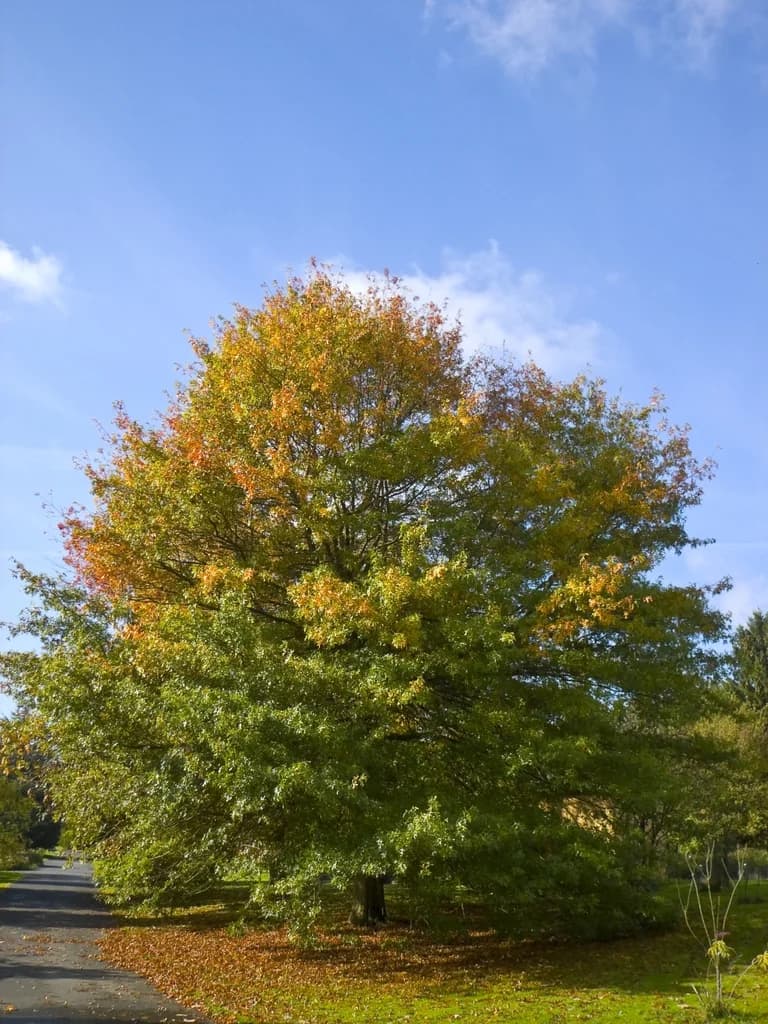
1 register record
Follow one branch. Find a clear direction within a complicated day.
Practice with Pin Oak →Find this species in North Carolina →Willow · CC BY-SA 3.0 · Photo source ↗ · Converted to WebP
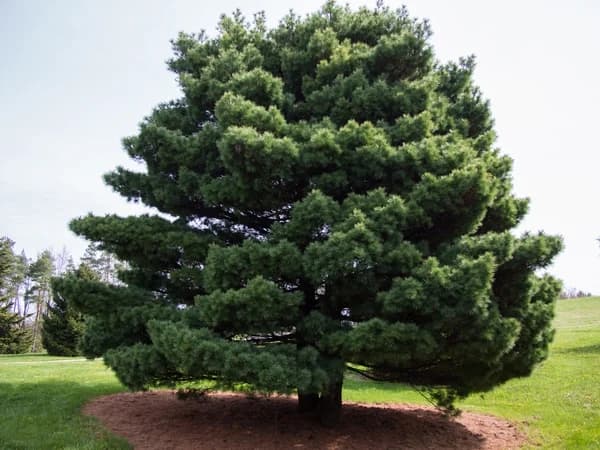
1 register record
Return to one clear point. Notice what stays, what changes, and how you begin again.
Practice with Pine →Find this species in North Carolina →F. D. Richards · CC BY-SA 4.0 · Photo source ↗ · Converted to WebP
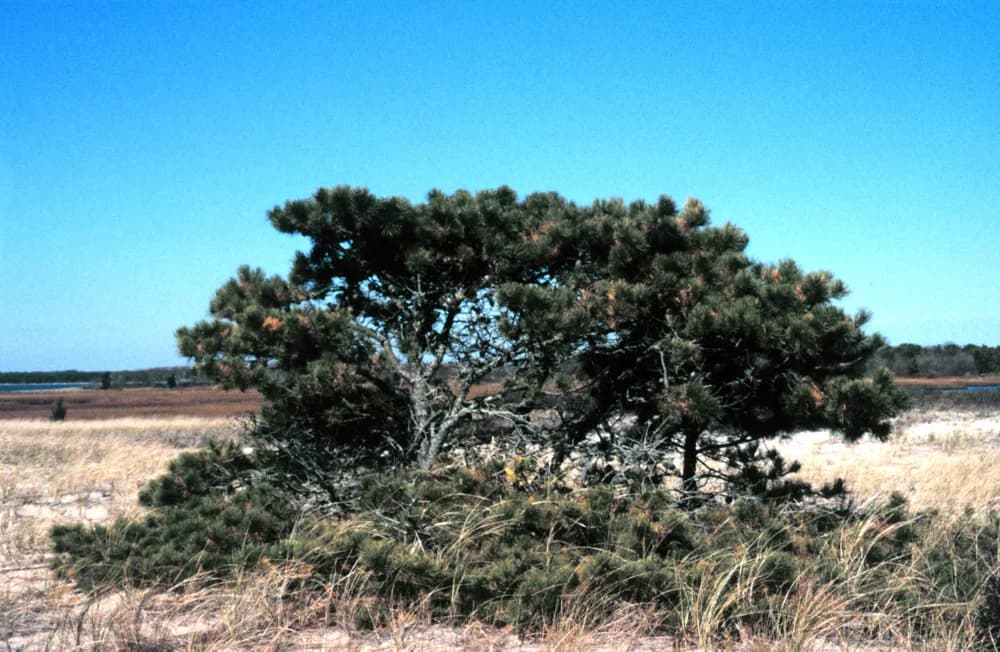
1 register record
Begin again from the place where you stand.
Practice with Pitch Pine →Find this species in North Carolina →Joan Muller / NOAA, Waquoit Bay NERR · Public domain · Photo source ↗ · Converted to WebP
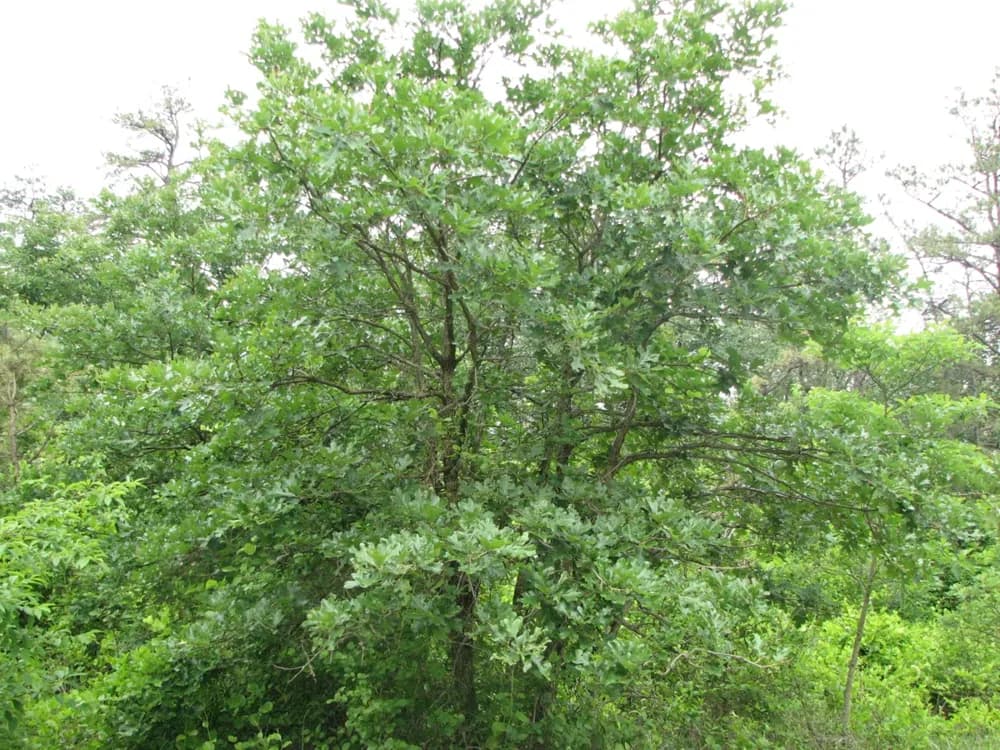
1 register record
Choose one small, repeatable act. Let enough be enough for today.
Practice with Post Oak →Find this species in North Carolina →Choess · CC BY-SA 3.0 · Photo source ↗ · Converted to WebP
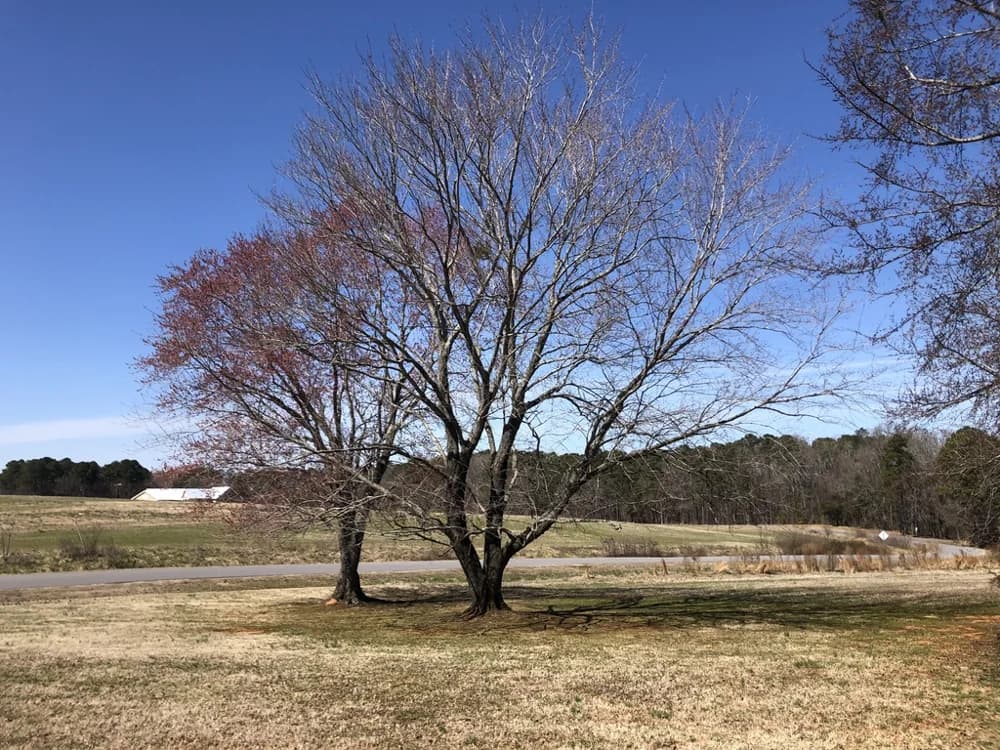
1 register record
Meet the conditions you have. Notice how a small adjustment can open another way forward.
Practice with Red Maple →Find this species in North Carolina →Cathy Dewitt · CC BY 4.0 · Photo source ↗ · Converted to WebP
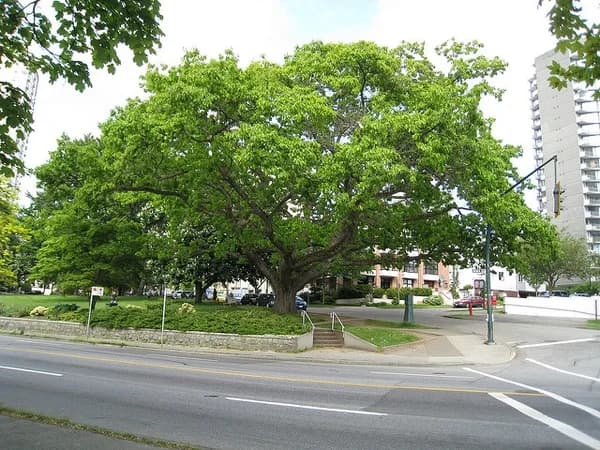
1 register record
Find a steady center. Leave room for the many lives and possibilities around it.
Practice with Red Oak →Find this species in North Carolina →Wendy Cutler · CC BY 4.0 · Photo source ↗ · Converted to WebP
1 register record
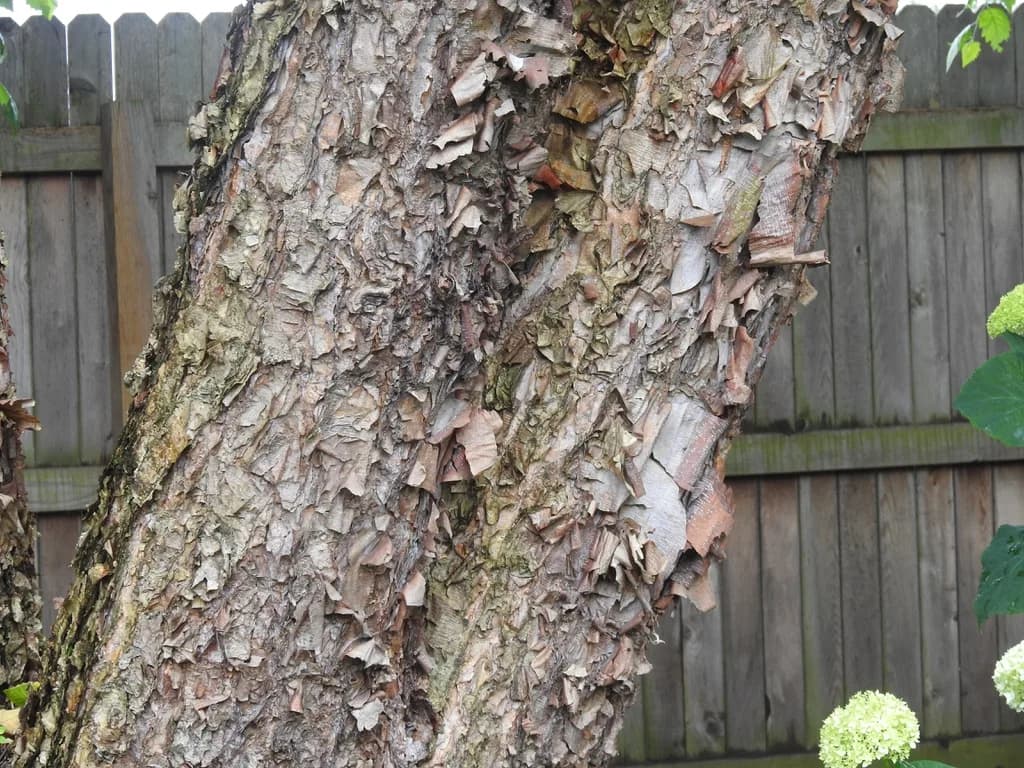
Follow a changing surface. Make room for one useful adjustment.
Practice with River Birch →Find this species in North Carolina →Kathleen Moore · CC BY 2.0 · Photo source ↗ · Converted to WebP
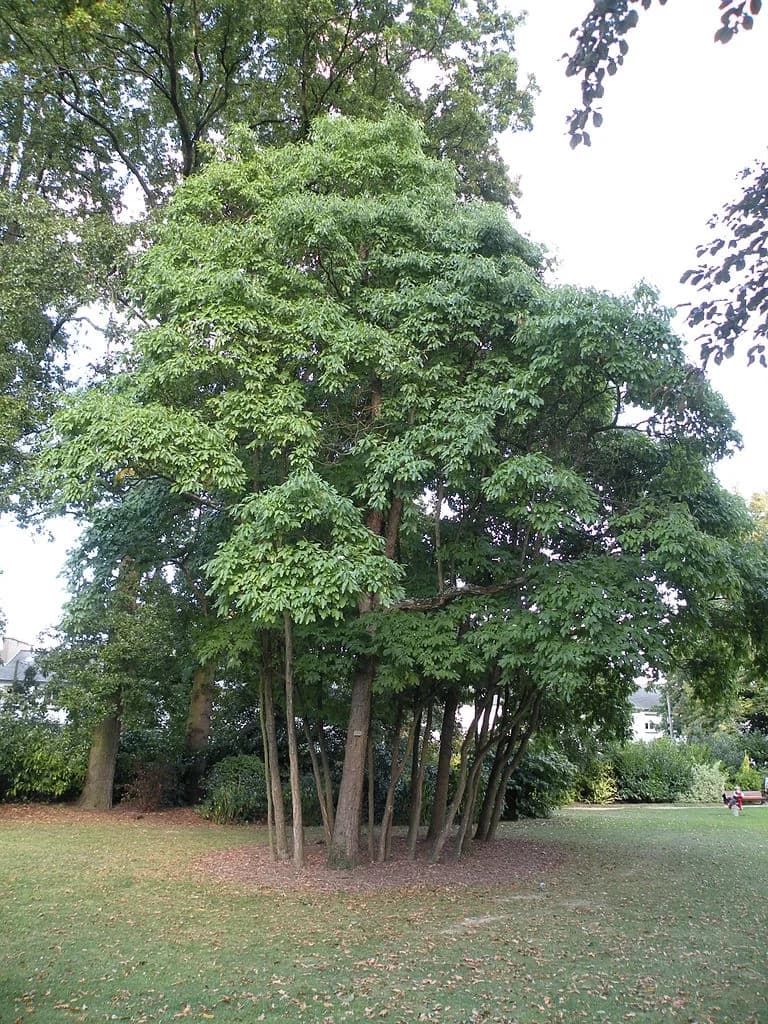
1 register record
Make room for more than one shape. Notice a difference without needing to resolve it.
Practice with Sassafras →Find this species in North Carolina →Pymouss · CC BY-SA 3.0 · Photo source ↗ · Converted to WebP
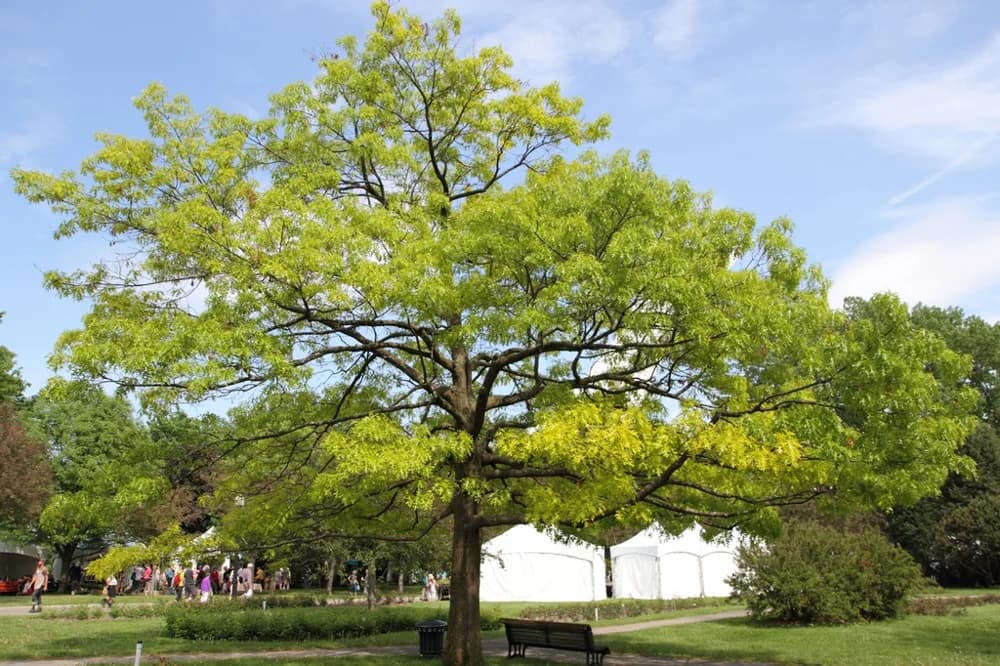
1 register record
Notice a change without asking yourself to hurry it.
Practice with Scarlet Oak →Find this species in North Carolina →Cephas · CC BY-SA 3.0 · Photo source ↗ · Converted to WebP
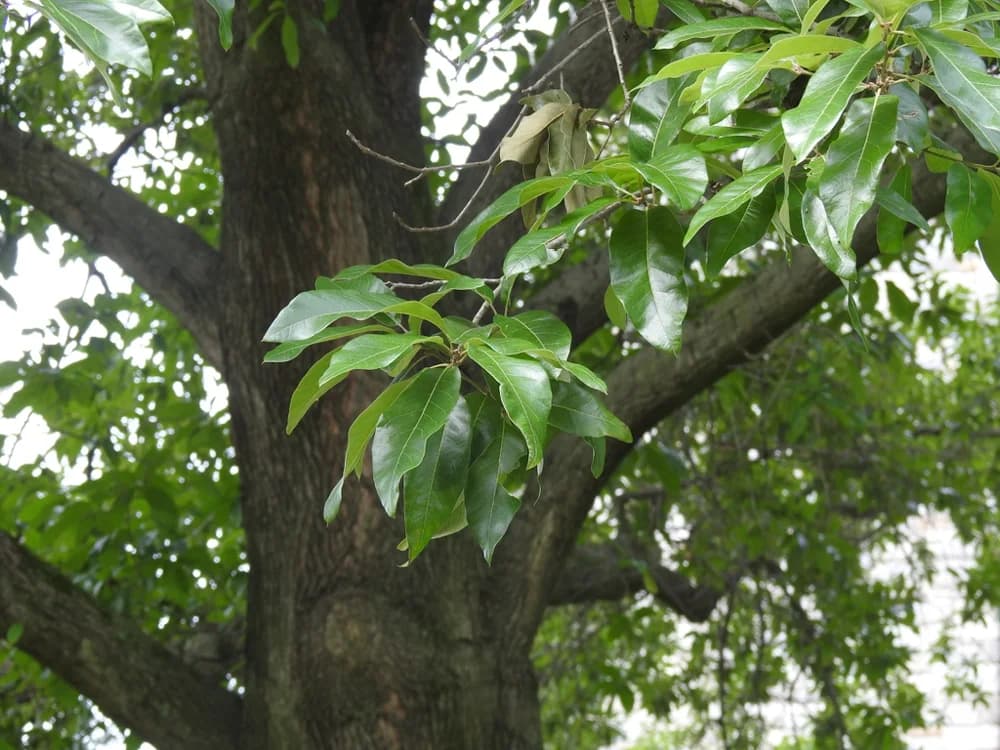
1 register record
Let an unexpected oak invite you to look beyond familiar outlines.
Practice with Shingle Oak →Find this species in North Carolina →Kathleen Moore · CC BY 2.0 · Photo source ↗ · Converted to WebP
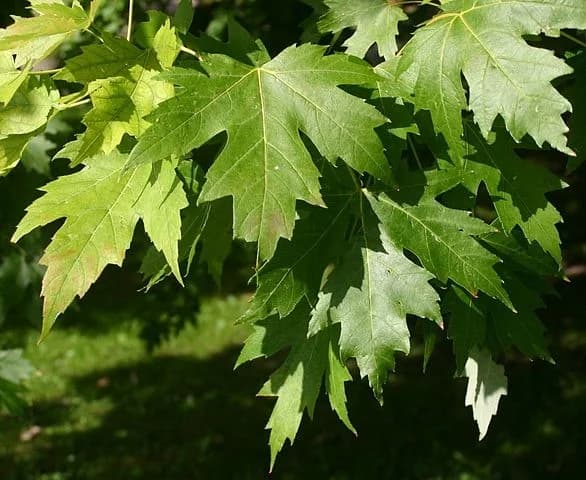
1 register record
Watch a familiar surface change. Allow another angle to add to what you know.
Practice with Silver Maple →Find this species in North Carolina →Olegivvit · CC BY-SA 3.0 · Photo source ↗ · Converted to WebP
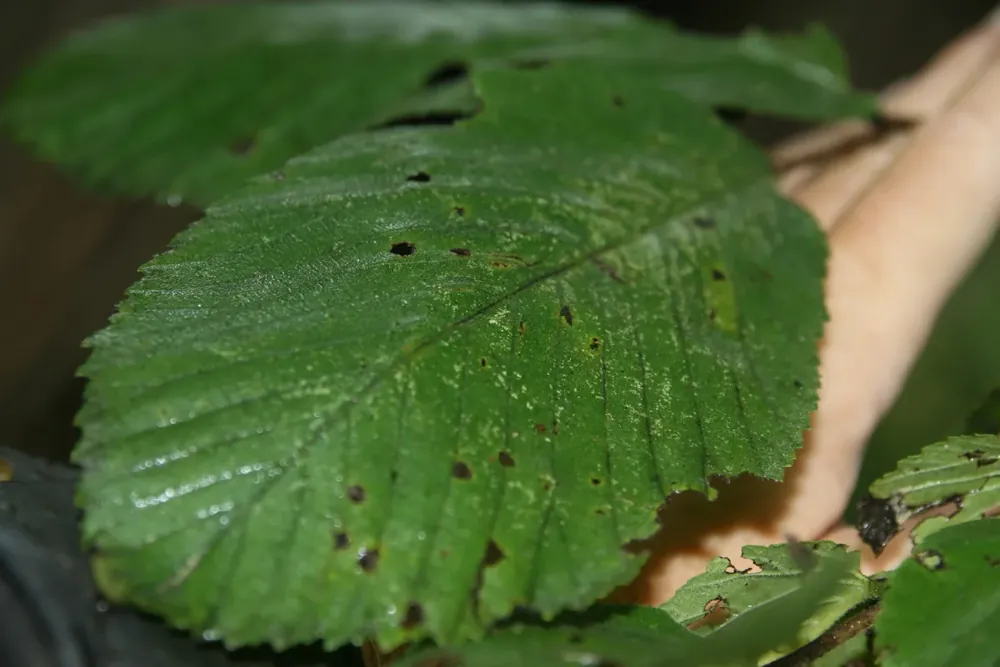
1 register record
Let a close look be gentle. You can notice texture without touching it.
Practice with Slippery Elm →Find this species in North Carolina →David J. Stang · CC BY-SA 4.0 · Photo source ↗ · Converted to WebP
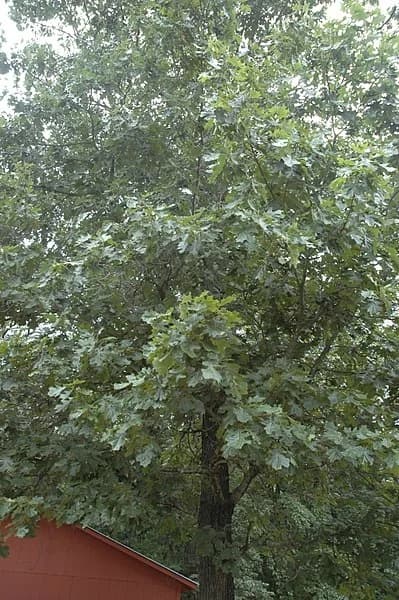
1 register record
Notice two sides of one leaf. Make room for a fuller view.
Practice with Swamp White Oak →Find this species in North Carolina →Bruce Kirchoff · CC BY-SA 3.0 · Photo source ↗ · Converted to WebP
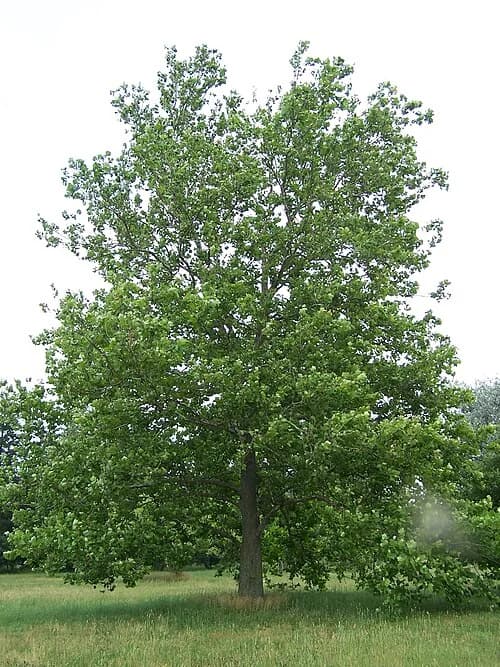
1 register record
Look at the pattern, then widen your view. Notice how a distinctive life belongs to a larger place.
Practice with Sycamore →Find this species in North Carolina →Bruce Marlin · CC BY-SA 2.5 · Photo source ↗ · Converted to WebP
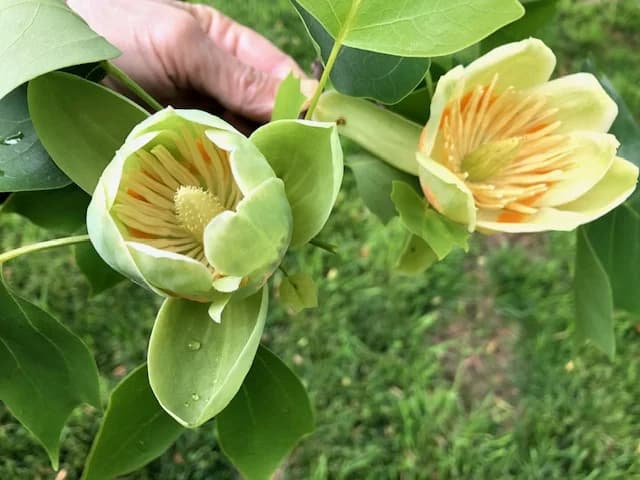
1 register record
Let a small detail widen your perspective. Give your next intention room to grow.
Practice with Tulip Tree →Find this species in North Carolina →Mark Robinson · CC BY 4.0 · Photo source ↗ · Converted to WebP
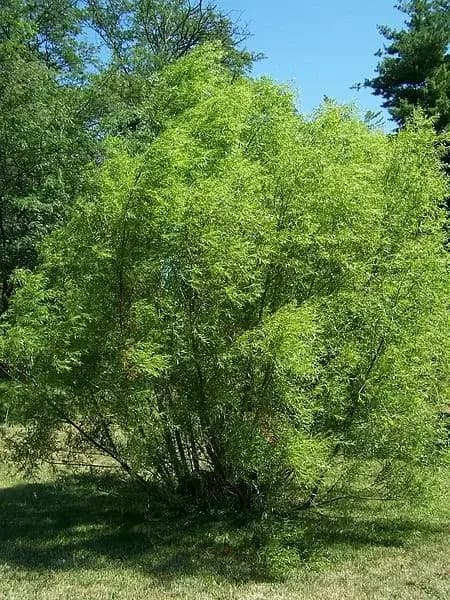
1 register record
Make room for a different response. Explore a softer approach without losing your footing.
Practice with Willow →Find this species in North Carolina →Bruce Marlin · CC BY-SA 2.0 DE · Photo source ↗ · Converted to WebP
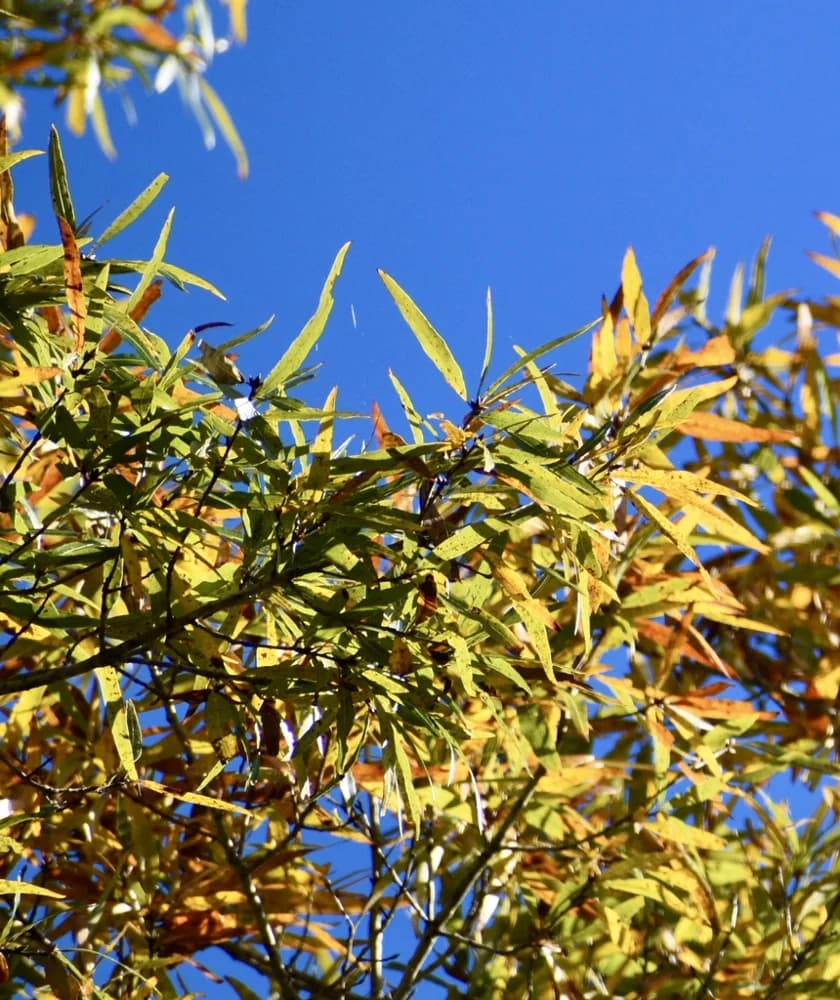
1 register record
Find the oak within the narrow leaf, and let small details widen your view.
Practice with Willow Oak →Find this species in North Carolina →Cathy DeWitt · CC BY 4.0 · Photo source ↗ · Converted to WebP
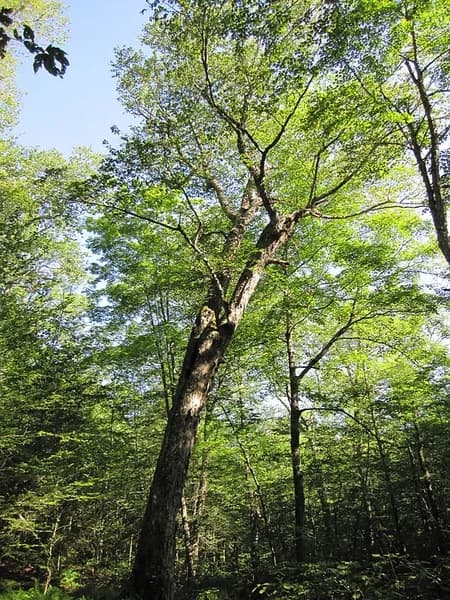
1 register record
Let a closer look deepen what you know. Follow a small detail without needing to uncover everything.
Practice with Yellow Birch →Find this species in North Carolina →Chris M. · CC BY-SA 3.0 · Photo source ↗ · Converted to WebP
A place to begin outdoors
We have not published a North Carolina visit guide yet. Start with a tree you can visit with permission nearby, or explore our guides in other states.


.jpg)


_(28773254876).jpg)


